
Beautiful Plants For Your Interior
Beautiful Plants For Your Interior
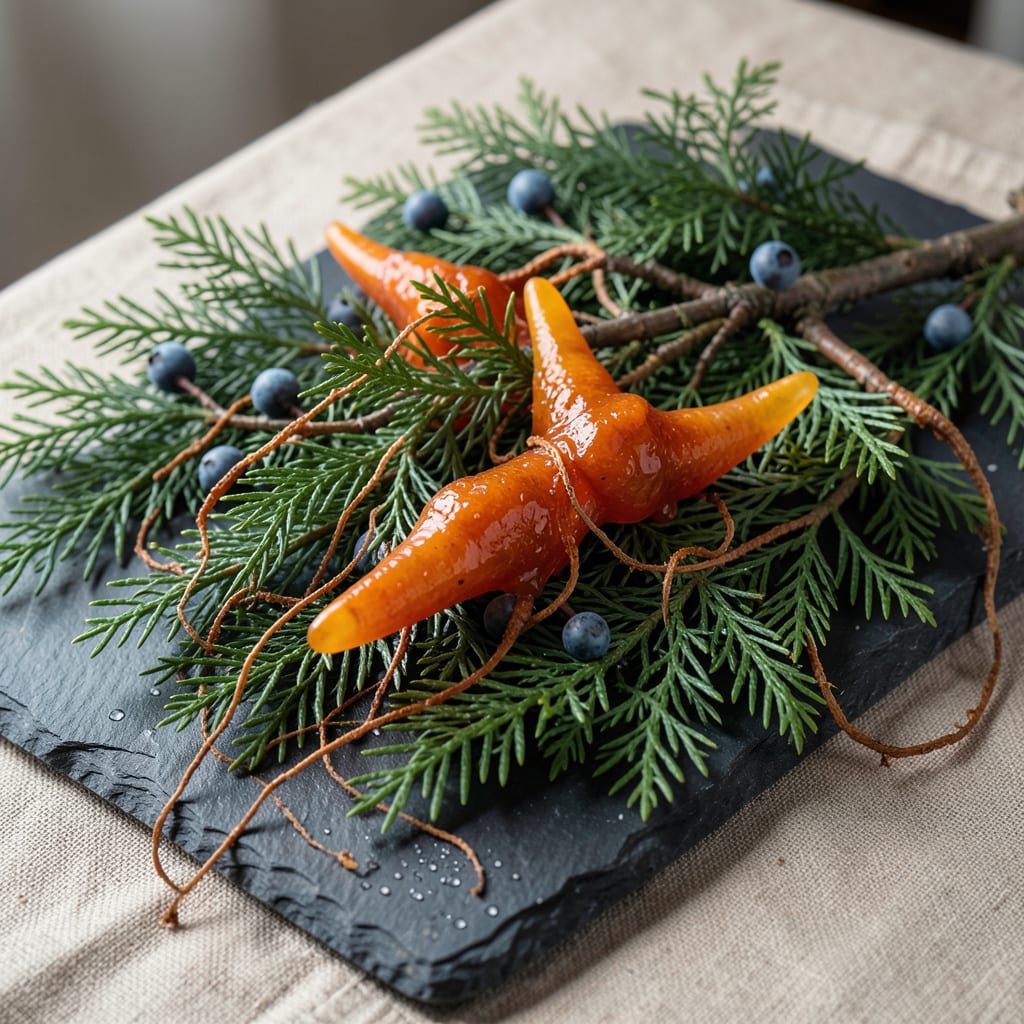
Those orange galls on your junipers aren’t just ugly—they’re trouble. 🌿 Cedar apple rust spreads between junipers and apple trees, and ignoring it means watching both plants suffer.
I learned the hard way that early action saves headaches. Those gelatinous horns appear in spring, and by then, spores are already spreading. The good news: organic treatments work if you catch it fast.
You’ll spot the rust first on junipers as brownish galls that swell in wet weather. Left unchecked, they’ll weaken the plant and infect nearby apple trees too.
No need for harsh chemicals—simple pruning, resistant varieties, and proper spacing can break the cycle for good.
Cedar apple rust is a fungal disease caused by Gymnosporangium juniperi-virginianae, which requires two host plants—junipers and apple or crabapple trees—to complete its life cycle. Here’s why it happens on junipers:
The fungus thrives because it alternates between junipers (its primary host) and apple trees (its secondary host). On junipers, it produces hard, brown galls that release spores in spring. These spores infect apple trees, where the fungus produces lesions that later release spores to reinfect junipers. Without both hosts nearby, the cycle breaks.
Wet, mild springs accelerate spore release and germination. Rain or heavy dew provides the moisture needed for spores to infect susceptible junipers. Areas with frequent spring rainfall see higher infection rates.
Not all junipers are equally vulnerable. Eastern red cedar (Juniperus virginiana) is highly susceptible, while some cultivars (e.g., Juniperus communis) show resistance. Planting resistant varieties can reduce outbreaks.
Dense plantings or shaded locations trap humidity, creating ideal conditions for fungal growth. Pruning to improve airflow and reduce crowding helps minimize infection risks.
Cedar apple rust on junipers can be managed effectively with the right approach. Below are practical solutions tailored to specific causes, along with prevention tips to keep your plants healthy.
If you notice galls or swollen branches on your juniper, prune them immediately. Cut at least 4–6 inches below the infected area to ensure complete removal. Disinfect your pruning tools with rubbing alcohol between cuts to prevent spreading the fungus. Burn or dispose of the infected material—do not compost it.
For active infections, use copper-based fungicides or neem oil as organic treatments. Apply in early spring before the galls produce spores, and repeat every 7–10 days during wet weather. Always follow label instructions for safe and effective use.
Pro tip 💡: A baking soda spray (1 tbsp baking soda + 1 tsp dish soap + 1 gallon of water) can also help suppress fungal growth when applied weekly.
Cedar apple rust requires both junipers and apple/crabapple hosts to complete its life cycle. Remove nearby apple or crabapple trees if possible, or ensure they are treated for rust as well. If removal isn’t an option, plant resistant varieties like ‘Liberty’ or ‘Freedom’ apples.
Fungus thrives in damp, stagnant conditions. Thin out dense juniper growth to improve airflow and reduce humidity around the plant. Space new plantings at least 6–8 feet apart to allow for proper ventilation.
Pro tip ✨: Mulch with shredded bark or pine needles to suppress spores in the soil, but keep it a few inches away from the trunk.
Look for hard, brown galls on branches that swell into orange, gelatinous masses in wet spring weather. These release spores that infect nearby apple trees. Early detection is key to stopping the spread.
Yes! Prune infected branches 4–6 inches below the galls and dispose of them immediately. Apply organic fungicides like neem oil in early spring for best results.
The fungus requires both junipers and apple/crabapple trees to complete its cycle. Remove one host, or space plants 6–8 feet apart, to break the cycle.
Yes! Cultivars like Juniperus communis show resistance. Avoid Eastern red cedar, which is highly susceptible. Always check plant labels before purchasing.
