
Beautiful Plants For Your Interior
Beautiful Plants For Your Interior
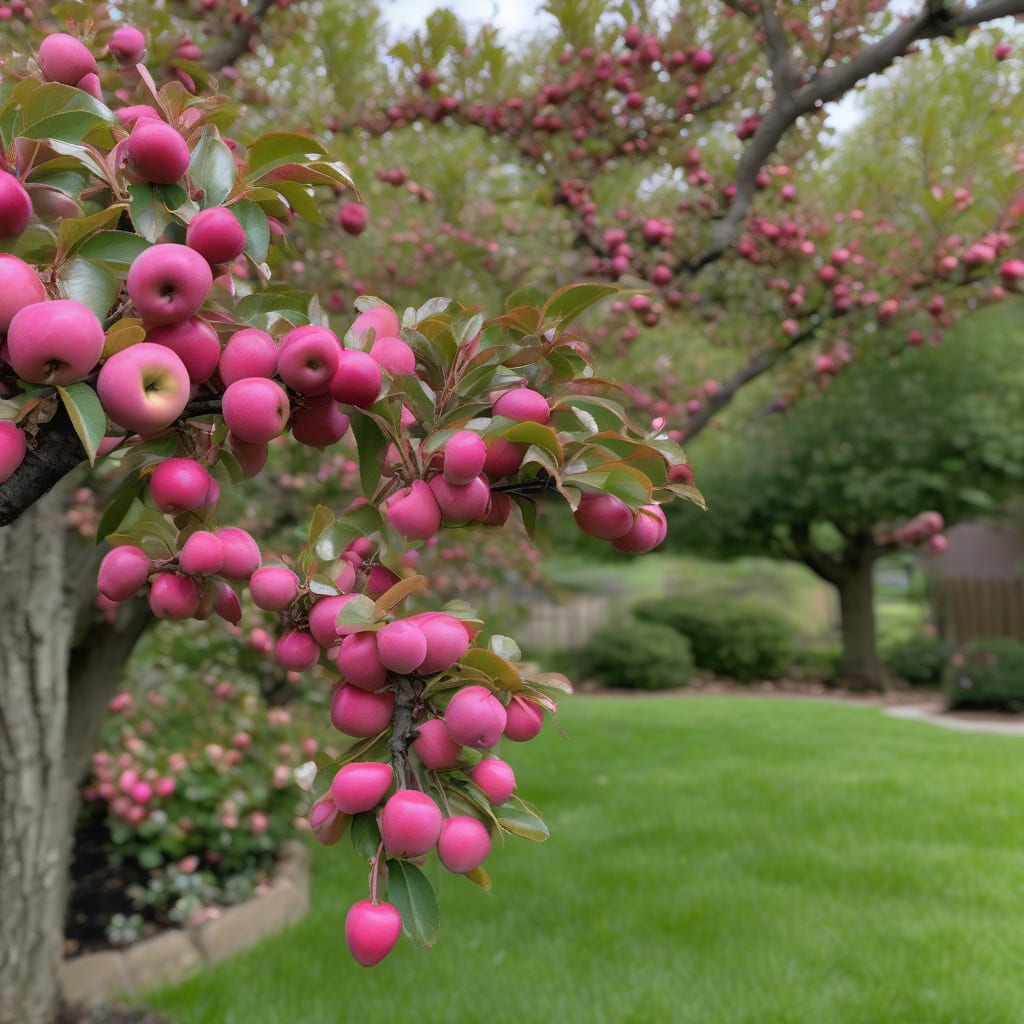
When planting a Crabapple Tree 🌳 in your garden, understanding its growth potential is crucial for proper placement and maintenance. The height of these beautiful trees can vary significantly based on several factors.
Typically, Crabapple Trees can grow between 15 to 25 feet tall, but some dwarf varieties remain much shorter. Let’s explore what influences their height and how you can manage their growth effectively in USDA Zone 6.


The height of Crabapple Trees can be influenced by several key factors. Understanding these elements is crucial for gardeners who want to manage the growth of their trees effectively. The main factors include the tree’s variety, soil quality, and climate conditions 🌳.
Variety plays a significant role in determining the height of Crabapple Trees. Different cultivars have been developed to suit various needs, ranging from compact dwarf varieties to standard trees that can grow quite tall. For instance, dwarf Crabapple Trees typically reach heights of 8 to 12 feet, while standard varieties can grow up to 25 feet or more.
Soil quality is another critical factor that affects the height of Crabapple Trees. Trees planted in nutrient-rich, well-draining soil are likely to grow more vigorously and reach their full height potential compared to those in poor soil conditions. Ensuring the soil is adequately fertilized and maintained can significantly impact the tree’s overall health and size.
Climate conditions, including temperature and weather patterns, also play a crucial role in determining the height of Crabapple Trees. Trees grown in areas with favorable climate conditions, such as those in USDA Zone 6, tend to grow more robustly. Extreme weather conditions, such as prolonged drought or excessive rain, can stress the tree and potentially limit its growth.
In addition to these factors, proper care and maintenance are essential for helping Crabapple Trees reach their optimal height. Regular watering, pruning, and fertilization can all contribute to a healthy and thriving tree that reaches its maximum height.
By considering these factors and providing the appropriate care, gardeners can help their Crabapple Trees achieve their full growth potential and enjoy the many benefits these trees provide, including beautiful blooms and delicious fruit 🌳.
Understanding the factors that affect Crabapple Tree height is essential for making informed decisions about tree placement and care. By choosing the right variety and providing optimal growing conditions, gardeners can ensure their trees thrive and reach their expected height.
For more detailed information on managing Crabapple Tree size and care, continue reading the next sections of this guide.
Crabapple trees come in various cultivars, each with its own growth characteristics. Understanding the average height range of different varieties is essential for gardeners to make informed decisions about tree placement and care 🌳.
The height of Crabapple Trees can vary significantly based on their variety. Some compact varieties are ideal for smaller gardens, while others can grow quite tall and serve as a focal point in larger landscapes. Let’s examine the typical height ranges for different types of Crabapple Trees.
Dwarf Crabapple Trees are perfect for smaller gardens or spaces where a full-sized tree might be too large. These trees typically grow to be between 8 to 12 feet tall, making them an excellent choice for compact landscapes or container gardening.
Semi-dwarf varieties offer a middle ground, growing to heights of 12 to 18 feet. They provide a balance between size and fruit production, making them a popular choice among gardeners who want a manageable tree with good yields.
Standard Crabapple Trees are the largest, reaching heights of 15 to 25 feet or more. These trees are ideal for larger gardens where they have ample space to grow and can serve as a dramatic focal point with their beautiful blooms and vibrant fruit 🌼.
When selecting a Crabapple Tree, it’s essential to consider the mature height of the variety to ensure it fits well within your garden’s landscape and meets your specific needs.
By understanding the average height range of different Crabapple Tree varieties, gardeners can make more informed decisions about which trees to plant and how to care for them effectively.
For more information on managing Crabapple Tree size through pruning and care, continue reading the next sections of this guide.
Proper pruning and care are essential for managing the size of Crabapple Trees. Regular maintenance helps keep the tree healthy and thriving while controlling its height 🌳.
Pruning is a critical aspect of Crabapple Tree care. It involves removing dead, diseased, or damaged branches to promote healthy growth and maintain the tree’s desired shape. Pruning should be done annually, typically during the dormant season, to minimize stress on the tree.
Evaluate the tree’s structure and identify branches that need pruning.
Cut away any branches that are dead, diseased, or damaged to prevent further harm.
Selectively remove branches to allow more light to penetrate and improve air circulation.
In addition to pruning, regular care practices such as watering, fertilizing, and mulching around the base can significantly impact the tree’s health and size. Proper care ensures the tree remains vigorous and grows at a manageable rate.
By combining effective pruning techniques with regular care, gardeners can successfully manage the size of their Crabapple Trees and enjoy their beauty for years to come 🌼.
For more detailed information on Crabapple Tree care and maintenance, refer to additional resources or consult with a gardening expert.
