
Beautiful Plants For Your Interior
Beautiful Plants For Your Interior
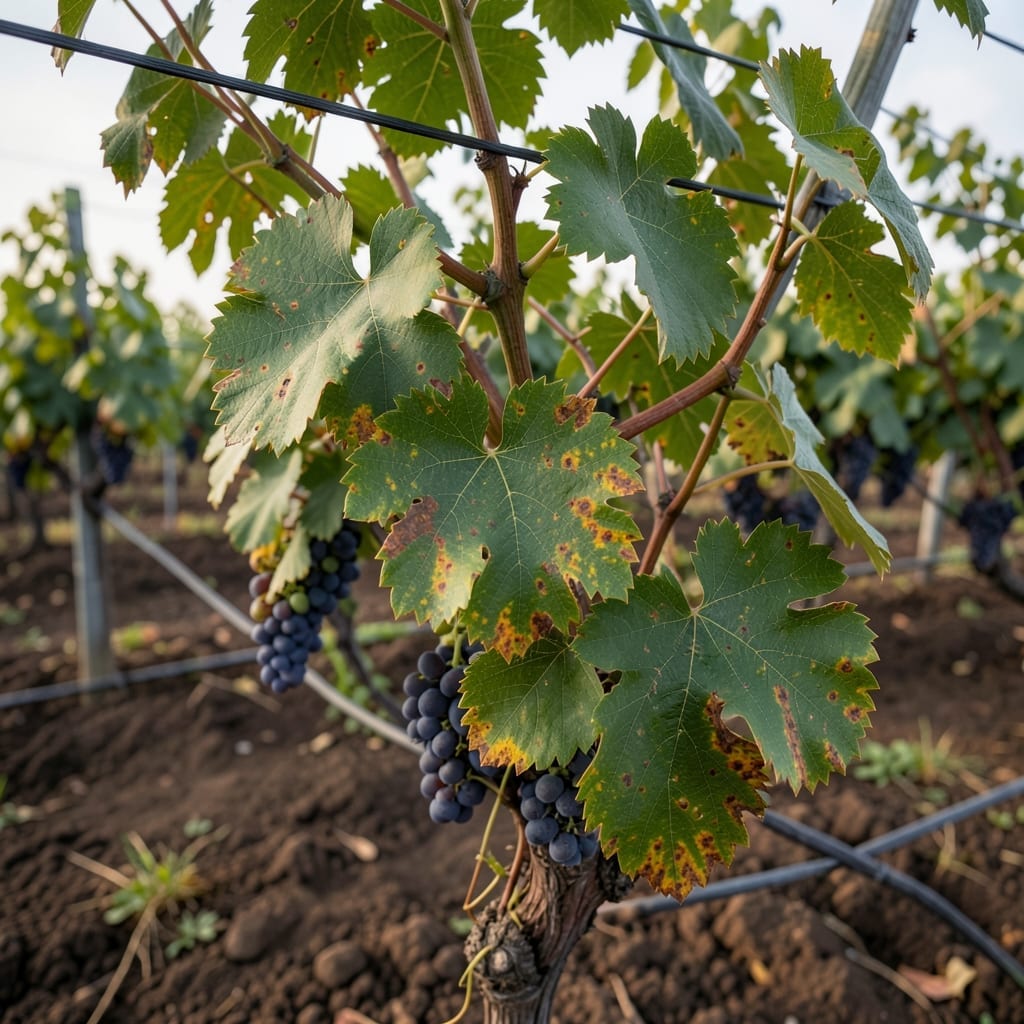
Spotted orange pustules on grape leaves last summer sent me into a panic. Turns out, rust disease is sneaky but manageable once you know what to look for.
This fungal menace thrives in wet conditions, spreading quickly if left unchecked. I lost half my harvest before learning to catch it early—tiny yellow spots on upper leaves are your first warning.
Natural solutions like neem oil and sulfur sprays work surprisingly well. The key is consistency: apply every 7-10 days during wet seasons to break the fungus’s life cycle.
Prevention beats cure every time. Proper spacing, good airflow, and removing fallen leaves in autumn makes all the difference next season.
Rust on grapes is a fungal disease that disrupts vine health and fruit quality. Below are the primary causes, explained scientifically for clarity and actionable insight.
The fungus Phakopsora euvitis thrives in wet conditions. Prolonged leaf wetness (from rain, dew, or irrigation) creates an ideal environment for spore germination. High humidity (above 85%) accelerates infection, especially in dense canopies with poor air circulation. Action: Improve drainage, space vines properly, and prune to enhance airflow.
Rust spores activate in moderate to warm temperatures (60–75°F / 15–24°C). This range, combined with moisture, triggers rapid spore production and spread. Action: Monitor weather forecasts and apply organic fungicides (e.g., copper-based) preventively during warm, wet periods.
The fungus overwinters in fallen leaves and diseased canes. In spring, spores release from this debris, infecting new growth. Action: Remove and destroy all infected plant material in fall/winter to break the disease cycle.
Pruning shears, trellises, or harvest bins can carry spores between vines. Action: Sterilize tools with rubbing alcohol or a 10% bleach solution between uses, and clean equipment thoroughly.
Some cultivars (e.g., Vitis vinifera like Cabernet Sauvignon) lack genetic resistance to rust. Action: Plant resistant varieties (e.g., Vitis labrusca hybrids) or graft susceptible vines onto rust-resistant rootstocks.
Rust on grape leaves or fruit is frustrating but fixable. Below are targeted solutions for each common cause, plus prevention tips to keep your vines healthy long-term.
Moisture on leaves creates the perfect environment for rust fungi. Fix: Water at the base of the vine using drip irrigation or soaker hoses to keep foliage dry. If you must use sprinklers, water early in the morning so leaves dry quickly in the sun.
Prevention tip: 💡 Space vines for good airflow to reduce humidity buildup.
Stagnant, humid air spreads rust spores fast. Fix: Prune dense canopies to open the center of the vine, allowing sunlight and breeze to penetrate. Remove weeds around the base to further improve airflow.
Prevention tip: 🌬️ Plant in a sunny, well-ventilated spot and thin out excess growth annually.
Rust fungi overwinter in fallen leaves and fruit. Fix: Rake and remove all plant debris from under vines at the end of the season. Burn or dispose of it—do not compost, as spores can survive.
Prevention tip: ✨ Apply a layer of mulch (like straw) to prevent spores from splashing back onto the vine during rain.
For active rust spots, act quickly. Fix: Spray affected areas with neem oil or a baking soda solution (1 tbsp baking soda + 1 tsp dish soap + 1 gallon water) every 7–10 days until symptoms disappear. Apply in the evening to avoid leaf burn.
Prevention tip: 🎯 Rotate sprays with copper fungicide (follow label instructions) for severe or recurring cases.
Yes, the fruit itself remains edible, but the quality may suffer. Rust mainly affects leaves, so harvest grapes before the disease spreads. Wash them thoroughly before eating.
Under ideal conditions (warmth + moisture), rust can spread across a vine in 2-3 weeks. Early intervention is key to preventing severe damage. Check vines weekly during wet seasons.
Vinegar isn’t effective against rust fungi. Stick to proven remedies like neem oil or copper-based sprays. Always test sprays on a small area first to avoid plant damage.
If you remove all infected debris and apply preventive sprays, recurrence is unlikely. The fungus overwinters in fallen leaves, so thorough cleanup is critical.