
Beautiful Plants For Your Interior
Beautiful Plants For Your Interior
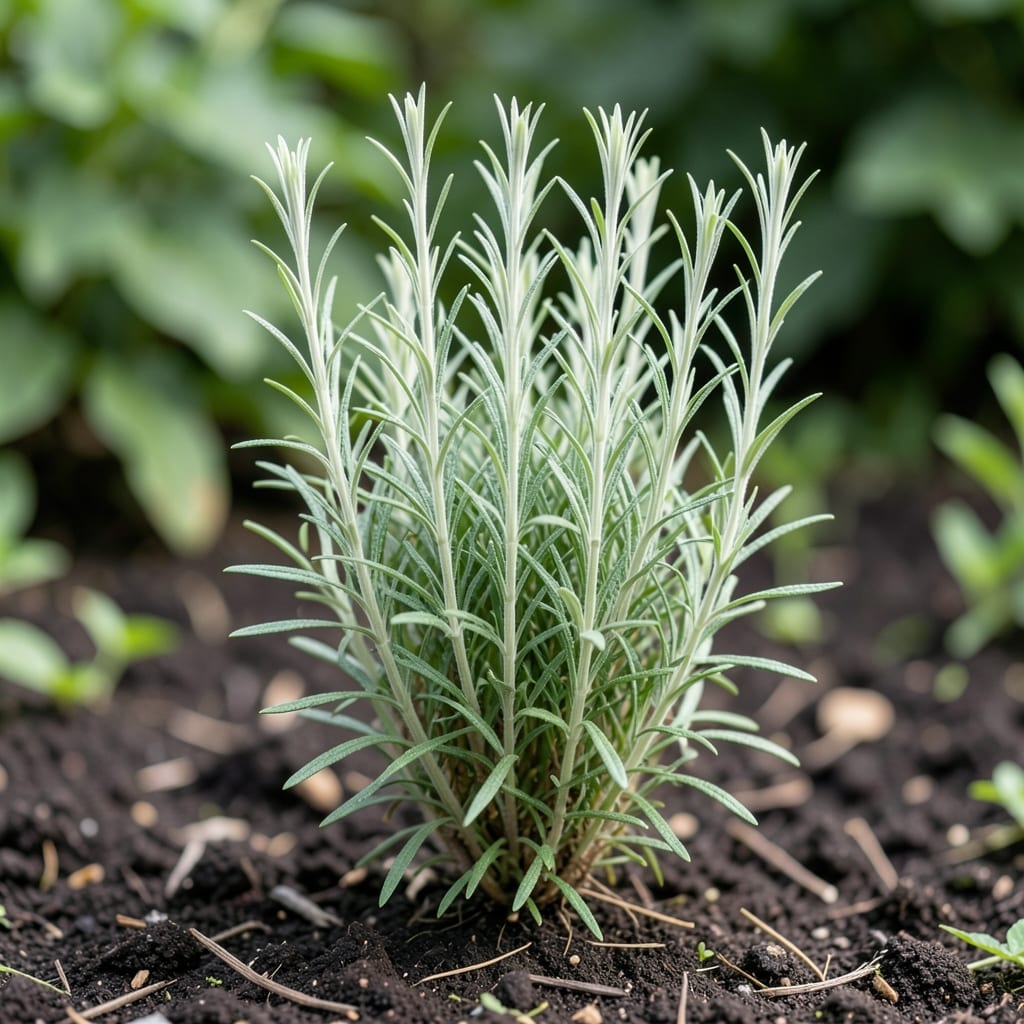
I grew Russian tarragon for years before realizing most people settle for the inferior French variety. This hardy perennial thrives with minimal care, bouncing back every spring with its distinctive anise-like flavor.
You’ll harvest fragrant leaves all season long with just full sun and well-drained soil. Unlike French tarragon, it won’t die back in winter or spread aggressively—just steady, reliable growth year after year.
📚 In This Guide
This method delivers robust plants with abundant, flavorful foliage—every single time.
Choose a location with full sun to partial shade, as Russian tarragon thrives in 6-8 hours of sunlight daily. The soil should be well-draining, slightly alkaline, and enriched with organic matter. I always test the pH first—tarragon prefers a range of 6.5-7.5.
Loosen the soil to a depth of 12-15 inches and remove any weeds or debris. This ensures the roots can expand freely. If your soil is heavy or clay-like, amend it with compost or sand to improve drainage. Proper preparation prevents root rot and stunted growth.
Dig a hole twice as wide and deep as the root ball of your tarragon plant or seedling. Place the plant in the hole, ensuring the top of the root ball is level with the soil surface. Backfill the hole with soil and press gently to eliminate air pockets.
Space plants 18-24 inches apart to allow for airflow and growth. If planting in rows, maintain a 24-inch gap between rows. Water immediately after planting to help the roots settle. I use a watering can to avoid disturbing the soil around the base.
Water deeply once or twice a week, depending on your climate and soil type. The goal is to keep the soil evenly moist but not soggy. Russian tarragon is drought-tolerant once established, but consistent moisture during the first few weeks is critical.
Check the soil by inserting your finger 1-2 inches deep. If it feels dry, it’s time to water. Early morning is the best time to water, as it reduces evaporation and prevents fungal diseases. Avoid wetting the leaves to minimize the risk of mildew.
Begin pruning your tarragon once it reaches 6-8 inches in height. Trim the top 1-2 inches of growth to encourage bushier, more compact plants. Regular pruning also prevents the plant from becoming leggy and promotes fresh, tender leaves.
Remove any dead or yellowing leaves promptly to keep the plant healthy. I prune my tarragon every 4-6 weeks during the growing season, which keeps it productive and full. Always use clean, sharp shears to make precise cuts and avoid tearing the stems.
Start harvesting leaves once the plant is 12 inches tall and has a good amount of foliage. Snip off the top 3-4 inches of the stems, cutting just above a leaf node. This encourages new growth and keeps the plant looking tidy.
Harvest in the morning after the dew has dried for the best flavor. Avoid harvesting more than one-third of the plant at a time to prevent stress. Russian tarragon leaves are most flavorful just before the plant flowers, so keep an eye out for buds and harvest accordingly.
Took me a few seasons to figure these out, so here goes.
The Sunshine Sweet Spot: Russian tarragon thrives with 6-8 hours of sunlight daily, but don’t assume more is better. In scorching climates, afternoon shade prevents leaf scorch while still delivering that signature anise-like flavor. I learned this after my first batch turned crispy in full, unrelenting sun.
Soil Preparation Secret: Loosen that soil to 12-15 inches deep—this isn’t just busywork. Compacted soil suffocates those delicate roots, and I’ve seen stunted plants struggle for years until I finally dug deep enough. Amend with compost if your soil is heavy; drainage is non-negotiable for preventing root rot.
Pruning Precision: When your plants hit 6-8 inches tall, start pruning the top 1-2 inches regularly. Between us, I skipped this for a whole summer and ended up with leggy, sad-looking stalks. That regular trim every 4-6 weeks keeps them bushy and productive.
Harvesting Wisdom: Never take more than one-third of the plant at once, no matter how tempted you are. After harvesting too aggressively once, I watched my tarragon sulk for weeks. Wait until it’s 12 inches tall, then snip those top 3-4 inches—the plant rewards you with even more growth.
Yes! Russian tarragon thrives indoors with plenty of sunlight (6+ hours daily) and well-draining soil. Use a south-facing window or grow lights for best results.
Water when the top inch of soil feels dry—typically every 1-2 weeks. Overwatering can cause root rot, so ensure good drainage.
French tarragon is a close substitute, though its flavor is milder. For a stronger anise-like taste, try anise hyssop or fennel fronds.
Yellow leaves often signal overwatering or poor drainage. Check soil moisture and adjust watering. Nutrient deficiencies or pests may also be culprits.
Harvest in the morning after dew dries for peak flavor. Snip young leaves as needed, but avoid cutting more than a third of the plant at once.