
Beautiful Plants For Your Interior
Beautiful Plants For Your Interior
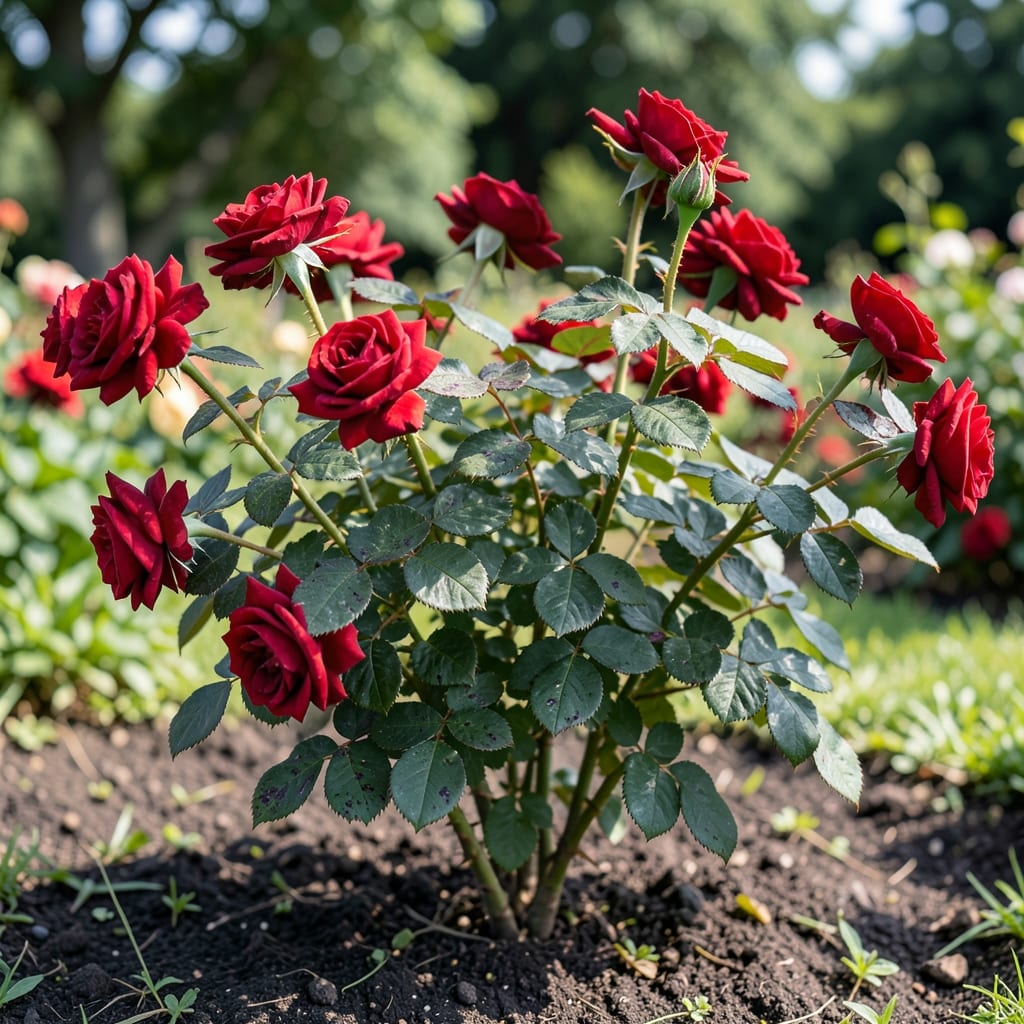
Those dark spots on your roses aren’t just ugly—they’re a warning sign. 🌿 I’ve lost entire bushes to black spot before learning to catch it early.
The good news? Most rose spots come from 3 common culprits: fungal infections, watering habits, or poor air circulation. Fix these and you stop the spread fast.
You’ll see healthy leaves return within 2-3 weeks of treatment. The key is acting at the first sign—not when half the plant is covered.
Works for hybrid teas, climbers, and shrub roses. Here’s how to diagnose and treat each type of spot before it ruins your season.
Understanding why spots appear on roses helps you tackle the issue at its root. Below are the most common causes, each with clear, actionable insights.
Fungi like Diplocarpon rosae (black spot) and Phragmidium spp. (rust) thrive in damp, poorly ventilated conditions. These pathogens produce spores that spread via water splashes or wind, infecting leaves and stems. Action: Remove infected foliage immediately and improve air circulation to reduce humidity.
Pseudomonas syringae and Xanthomonas spp. cause angular or irregular spots with yellow halos. Bacteria enter through wounds or stomata, often during wet weather. Action: Prune with sterilized tools and avoid overhead watering to limit bacterial spread.
Insects like aphids, thrips, or spider mites pierce plant tissues, creating entry points for secondary infections. Their feeding can also cause stippling or discolored patches. Action: Use insecticidal soap or neem oil to control infestations early.
Extreme heat, cold, or nutrient deficiencies (e.g., magnesium or potassium) can manifest as spots or blotches. Stress weakens the plant, making it more susceptible to disease. Action: Test soil pH and adjust fertilization to address deficiencies.
Spotted roses often signal underlying issues, but most can be fixed with the right approach. Below are targeted solutions for the most common causes of spots on rose leaves and petals, along with prevention tips to keep your garden thriving.
Fix: Remove infected leaves immediately and discard them (do not compost). Apply a fungicide like copper-based sprays or neem oil, repeating every 7–10 days until spots disappear. For severe cases, use a systemic fungicide.
Prevent: Improve air circulation by pruning dense foliage. Water at the base of the plant (avoid wetting leaves) and space roses 3–4 feet apart. A drip irrigation system helps reduce moisture on foliage.
Fix: Blast pests off with a strong stream of water, then apply insecticidal soap or horticultural oil. For stubborn infestations, introduce beneficial insects like ladybugs or lacewings.
Prevent: Inspect leaves weekly (especially undersides) for early signs. Encourage natural predators by planting companion flowers like marigolds or alyssum. 💡 Pro Tip: Yellow sticky traps can catch flying pests like thrips.
Fix: Test soil pH (ideal: 6.0–6.5). For yellow spots (magnesium deficiency), apply Epsom salt (1 tablespoon per gallon of water) as a foliar spray. For interveinal chlorosis (iron deficiency), use chelated iron or lower soil pH with sulfur.
Prevent: Amend soil annually with compost or balanced fertilizer (10-10-10). Mulch with organic matter to improve nutrient retention.
Fix: If spots are crispy and brown (sunburn), provide afternoon shade with a shade cloth. For underwatering, deep-soak the root zone; for overwatering, let soil dry slightly between waterings.
Prevent: Water consistently (1–2 inches per week) and mulch to retain moisture. In hot climates, plant roses where they get morning sun and afternoon shade.
Yes, they often indicate fungal diseases like black spot. Left untreated, these can defoliate your plant and weaken it for next season. Treat immediately with fungicide and remove infected leaves.
A baking soda solution (1 teaspoon per quart of water) can help with mild fungal issues. Add a drop of dish soap to help it stick. For severe cases, commercial fungicides work better.
This usually means the fungus spores remain in the soil or on nearby plants. Clean up all fallen leaves and debris. Apply preventative sprays every 7-10 days during wet weather.
Isolate infected roses and avoid watering late in the day. Always water at the base, not the leaves. Sterilize pruning tools with rubbing alcohol between cuts.