
Beautiful Plants For Your Interior
Beautiful Plants For Your Interior
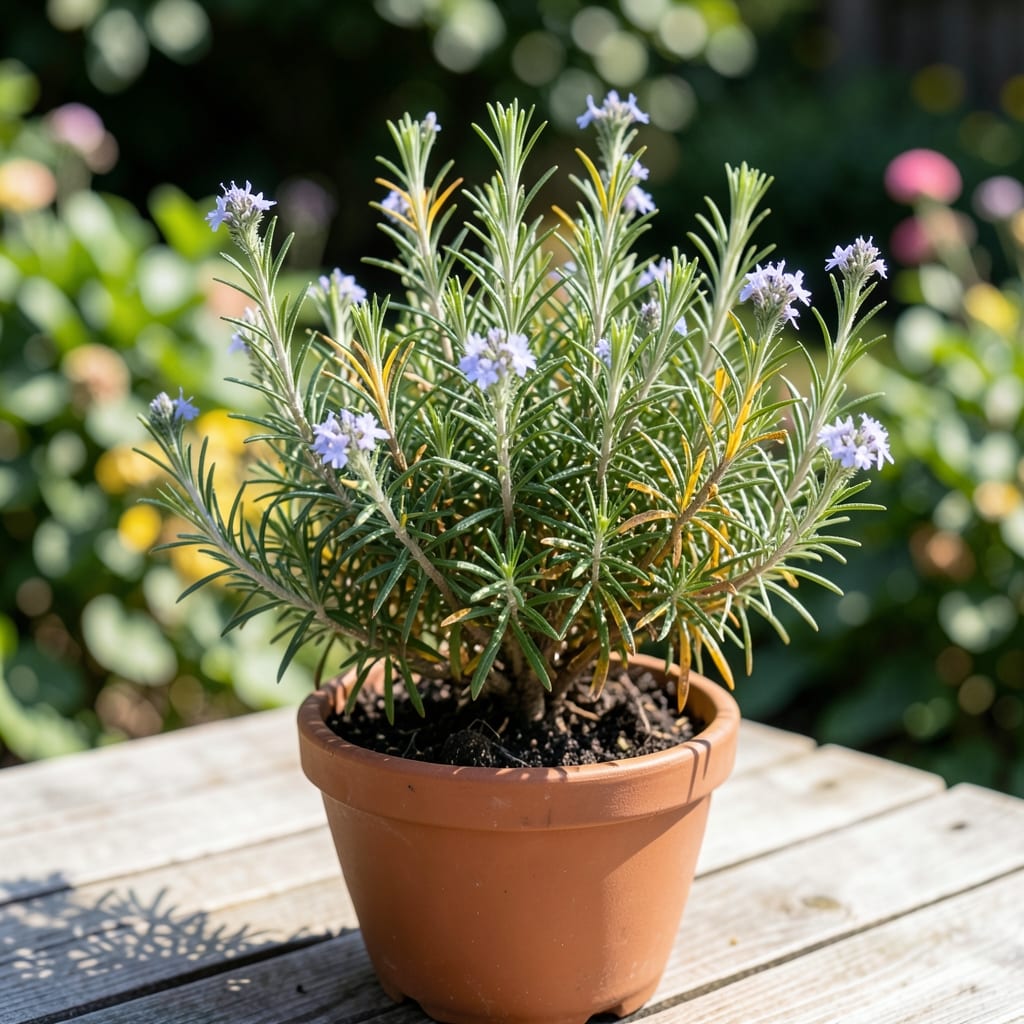
Yellow leaves on rosemary aren’t the end of the world. I’ve saved countless plants by catching the problem early and adjusting care immediately.
More often than not, it’s overwatering or poor drainage turning those needles yellow. Rosemary hates wet feet—its roots rot fast in soggy soil. A quick soil check usually confirms the issue.
Other culprits include nutrient deficiencies or pests, but these are easier to fix than you’d think. A simple adjustment in watering or a dose of fertilizer can bring your plant back to its vibrant green in weeks.
Prevention is straightforward: well-draining soil, proper sunlight, and a light hand with water. Stick to this, and yellowing won’t stand a chance.
Understanding why your rosemary is turning yellow starts with identifying the underlying stressors. Here are the most common causes, backed by science:
Rosemary thrives in dry, well-drained soil. Excess water suffocates the roots, reducing oxygen uptake and promoting fungal infections like Phytophthora. This leads to chlorosis (yellowing) as roots fail to absorb essential nutrients like iron and nitrogen. Action: Let the top 1–2 inches of soil dry out between waterings, and ensure pots have drainage holes.
Yellowing often signals a lack of nitrogen (uniform pale leaves), iron (yellowing between veins in new growth), or magnesium (yellow patches with green veins). Rosemary prefers slightly acidic to neutral soil (pH 6.0–7.0). Action: Test soil pH and amend with compost or a balanced fertilizer (10-10-10). For iron deficiency, apply chelated iron.
As a Mediterranean native, rosemary requires 6–8 hours of direct sunlight daily. Low light disrupts chlorophyll production, causing leaves to yellow and drop. Action: Move indoor plants to a south-facing window or supplement with grow lights (12–16 hours/day).
Sap-sucking pests like spider mites, aphids, or scale insects drain nutrients, leading to stunted growth and yellowing. Check leaf undersides for webbing or sticky residue (honeydew). Action: Blast pests off with water or apply neem oil weekly until resolved.
Rosemary is cold-hardy but frosts below 20°F (-7°C) or sudden temperature swings can damage foliage, turning it yellow or brown. Action: Mulch outdoor plants heavily in winter or move potted rosemary indoors near a cool, bright window.
If your rosemary is turning yellow, don’t panic—there are clear fixes for each cause. Here’s how to nurse your plant back to health.
Stop watering immediately and let the soil dry out completely. Check the roots for rot—trim any black or mushy parts with clean shears. Repot in fresh, well-draining soil (mix in perlite or sand) and use a pot with drainage holes. Prevention tip: Water only when the top 1-2 inches of soil are dry. 💡 Stick your finger in the soil to test!
Give your rosemary a deep soak until water runs out the drainage holes. If the soil is bone-dry and pulling away from the edges, submerge the pot in a bucket of water for 10-15 minutes. Prevention tip: Mulch the soil with gravel or pebbles to retain moisture without waterlogging. 💡 Rosemary prefers slightly dry over soggy!
Rosemary needs 6-8 hours of direct sunlight daily. If indoors, place it near a south-facing window or under a grow light. Outdoors, relocate to a sunnier spot. Prevention tip: Rotate the pot weekly for even light exposure. 🌡️ Yellowing from lack of light often starts on the lower leaves first.
For nutrient deficiency, use a balanced, water-soluble fertilizer (10-10-10) diluted to half strength. Apply every 4-6 weeks during growing season. For nutrient burn, flush the soil with water to remove excess salts. Prevention tip: Rosemary thrives in poor soil—less is more with fertilizer! ✨
Wipe leaves with a neem oil solution (1 tsp oil + 1 L water + a few drops of dish soap) or spray with insecticidal soap. Remove heavily infested parts. Prevention tip: Inspect new plants before bringing them near your rosemary. 🎯 Spider mites love dry conditions—mist leaves occasionally.
Water only when the top 1-2 inches of soil are dry. This usually means every 2-3 weeks for outdoor plants, or slightly more often indoors where air is drier. Overwatering is the most common cause of yellowing.
Unfortunately, yellow leaves rarely recover. Focus on fixing the underlying issue—whether it’s water, light, or nutrients—and new healthy growth will replace the damaged foliage.
Use a well-draining mix of 1 part potting soil to 1 part perlite or sand. This prevents waterlogging and keeps roots healthy. Avoid dense, moisture-retentive soils.
Yes, remove yellow or brown leaves to help the plant focus energy on new growth. Use clean shears and trim just above a leaf node to encourage bushier growth.