
Beautiful Plants For Your Interior
Beautiful Plants For Your Interior
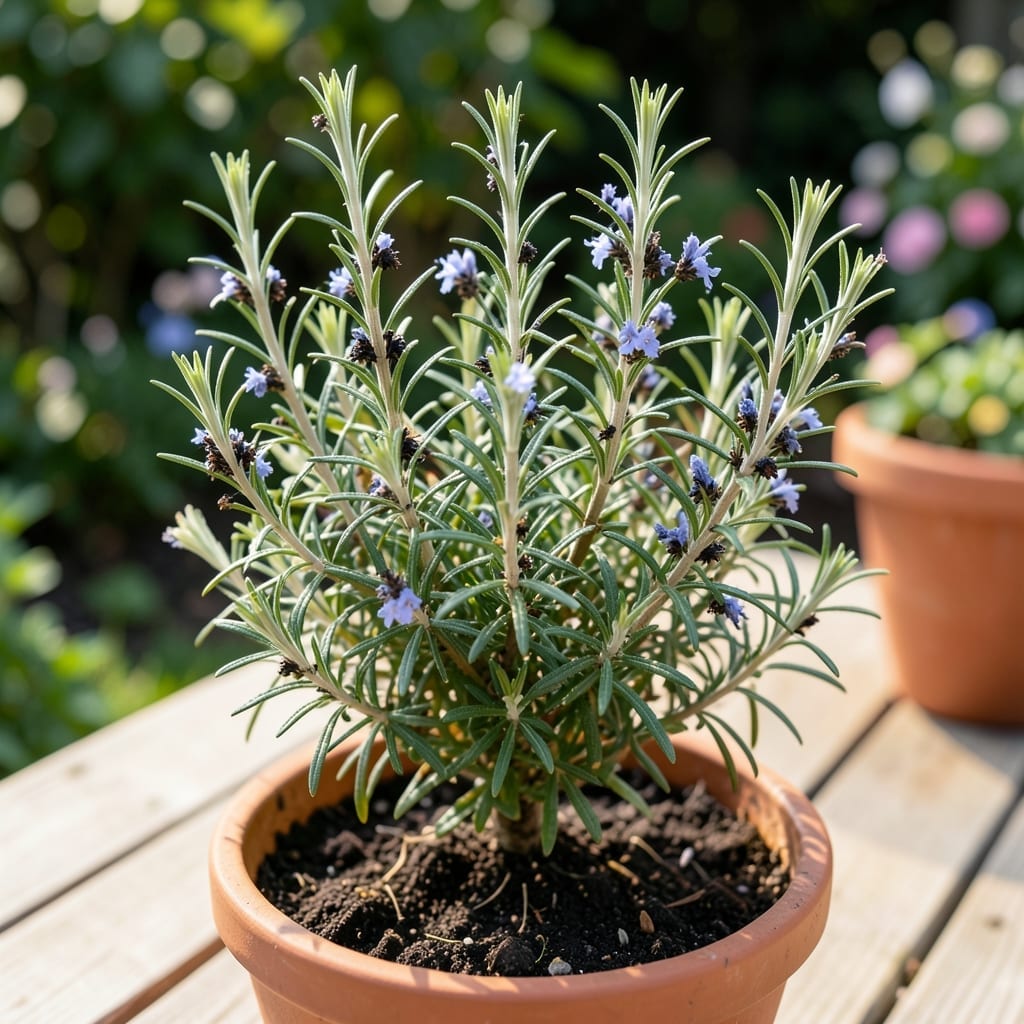
Blackened rosemary means your plant is crying for help. I’ve seen this happen overnight—healthy green turns to crispy charcoal when conditions go wrong.
The usual culprits are 3 common mistakes: too much water, not enough light, or a sudden cold snap. Rosemary hates wet roots and loves sunshine, so even small missteps can trigger this dramatic response.
Here’s the good news: with fast action, most plants bounce back. Trim the damage, adjust care, and you’ll see new green growth within 2-3 weeks.
Prevention is simpler than you think—just match the plant’s natural needs. Let’s get your rosemary thriving again.
If your rosemary has turned black, it’s often a sign of stress or disease. Here are the most common causes, along with the science behind them:
Rosemary is a Mediterranean herb that thrives in dry, well-drained soil. Overwatering or poorly draining pots can lead to root rot, a fungal infection caused by Phytophthora or Pythium species. When roots suffocate in waterlogged soil, they can’t absorb oxygen, leading to necrosis (cell death). This often manifests as blackened stems or leaves. Action: Ensure your pot has drainage holes and use a sandy, well-draining soil mix.
Fungi like Alternaria or Botrytis can cause black spots or a sooty appearance on rosemary leaves. These pathogens thrive in humid conditions or when airflow is restricted. Spores land on the plant, germinate, and penetrate the tissue, disrupting cell function and causing discoloration. Action: Improve air circulation, avoid overhead watering, and remove infected parts immediately.
Rosemary is frost-sensitive. When temperatures drop below 30°F (-1°C), ice crystals form inside plant cells, rupturing their membranes. This results in blackened, mushy foliage. Even prolonged exposure to near-freezing temps can weaken the plant, making it more susceptible to secondary infections. Action: Move potted rosemary indoors or cover outdoor plants with frost cloth before cold snaps.
While rosemary loves sunlight, intense heat (especially in combination with dry soil) can scorch its leaves, turning them black. This happens when the plant loses water faster than it can absorb it, leading to cellular collapse. In extreme cases, UV radiation can also damage chlorophyll, causing dark discoloration. Action: Provide afternoon shade in scorching climates and keep the soil consistently moist (but not soggy).
Don’t panic if your rosemary has turned black—there’s often a simple fix! Below are targeted solutions for the most common causes, along with prevention tips to keep your herb thriving.
Fix: Stop watering immediately and let the soil dry out completely. If the roots are soggy or rotting, trim the affected areas with clean scissors. Repot the plant in fresh, well-draining soil and ensure the container has drainage holes. Use a terracotta pot to help wick away excess moisture.
Prevention: Water only when the top 1-2 inches of soil are dry. Stick your finger in the soil to check—rosemary prefers dry conditions over damp ones. 💡
Fix: If your rosemary was exposed to freezing temperatures, move it indoors or to a sheltered spot immediately. Prune the blackened, damaged foliage to encourage new growth. Keep it in a warm, sunny area and avoid fertilizing until it recovers.
Prevention: Rosemary is hardy but not frost-proof. Bring potted plants inside before temperatures drop below 30°F (-1°C). For in-ground plants, cover them with frost cloth or mulch heavily. ✨
Fix: Remove all blackened or spotted leaves and stems to prevent the spread. Treat the plant with a copper-based fungicide or a diluted mixture of baking soda and water (1 tsp baking soda per quart of water). Improve air circulation around the plant.
Prevention: Avoid overhead watering—water at the base to keep leaves dry. Space plants properly to ensure good airflow, and sterilize pruning tools between uses. 🌡️
Fix: Move the plant to a location with bright, indirect light if it’s been scorched by intense sun. Trim the blackened tips and mist the leaves lightly to rehydrate. Gradually reintroduce it to full sun over a week.
Prevention: Acclimate rosemary to direct sunlight slowly, especially if it’s been indoors. Use shade cloth during peak afternoon hours in extremely hot climates. 🎯
Check the stems first. If they’re brittle and snap easily, those parts won’t recover. Healthy stems stay flexible. Green growth below the black indicates your plant can bounce back.
Yes, trim all blackened foliage immediately to prevent spread. Use clean scissors and cut just above a healthy leaf node. This encourages new green growth and removes potential disease sources.
If the roots are still firm and white, there’s hope. Stop watering, move to a warm spot, and wait 1-2 weeks. If no new growth appears, it’s likely too far gone.
if the roots are healthy. New shoots typically appear within 2-3 weeks with proper care. Keep soil dry and ensure 6-8 hours of sunlight daily.