
Beautiful Plants For Your Interior
Beautiful Plants For Your Interior
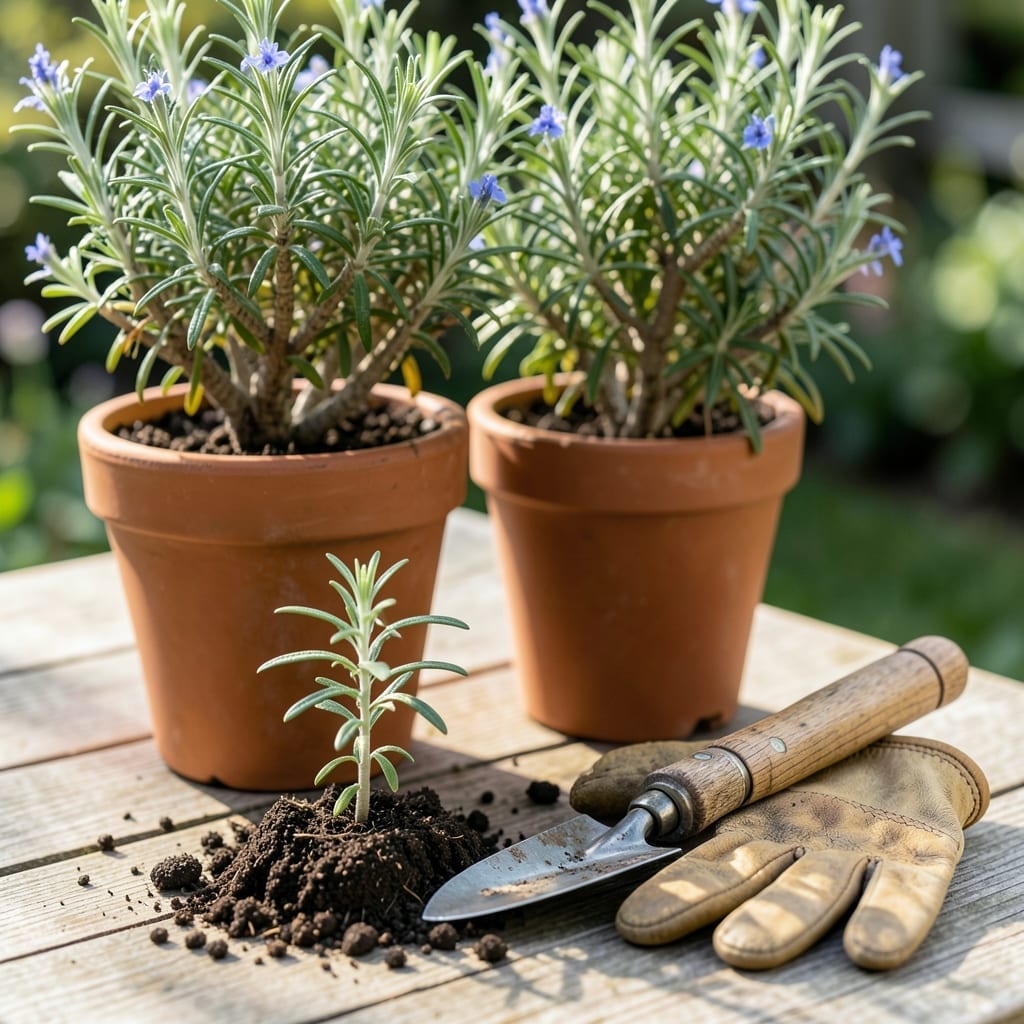
That first whiff of fresh rosemary still makes me stop and breathe deep. I killed three plants before learning the one rule that matters most: this herb hates wet feet.
Full sun and well-draining soil turn the trick. Once established, rosemary thrives on neglect, rewarding you with fragrant, needle-like leaves that last through multiple seasons with almost no effort.
📚 In This Guide
Here’s the method I rely on for establishing healthy, fragrant rosemary that thrives for years.
Rosemary demands full sun—at least 6-8 hours daily—so choose a spot with unobstructed southern exposure. I’ve found that even partial afternoon shade weakens the stems and reduces essential oil production, leaving you with a leggy, less aromatic plant.
Ensure the soil drains well. Rosemary despises wet roots, so avoid low-lying areas or heavy clay. A simple test: dig a 1-foot deep hole, fill it with water, and check if it drains within 2 hours. If not, amend with coarse sand or choose a raised bed.
This herb thrives in lean, slightly alkaline soil with a pH between 6.0 and 7.0. I work in 2-3 inches of compost for nutrients but avoid over-enriching—too much organic matter leads to excessive foliage with diluted flavor.
Loosen the soil to a depth of 12-15 inches to encourage deep root growth. Rosemary’s woody roots need room to spread, and compacted soil stunts its development. If your native soil is poor, consider planting in a mound or raised bed for better control.
Space plants 2-3 feet apart to allow for mature spread—rosemary can grow 3-5 feet wide in ideal conditions. Dig a hole slightly wider than the root ball but no deeper. Planting too deep buries the stem, which can rot.
Gently remove the plant from its container and loosen the roots if they’re circling. Place it in the hole, backfill with native soil, and press lightly to remove air pockets. Water thoroughly to settle the soil, but avoid soaking the foliage to prevent fungal issues.
Water deeply but infrequently—1-2 times per week for the first month, then taper off. Rosemary is drought-tolerant once established, and overwatering is the most common killer. I check the soil by sticking my finger in 2 inches deep—if it’s dry, it’s time to water.
Use a soaker hose or drip irrigation to keep foliage dry. Wet leaves, especially in humid climates, invite powdery mildew. After the first year, you’ll rarely need to water unless there’s a prolonged dry spell.
Prune lightly after flowering in late spring to encourage bushier growth. Never remove more than one-third of the plant at once, as aggressive pruning can stress it. I shape mine into a rounded form, which improves air circulation and reduces disease risk.
Avoid pruning in late summer or fall—new growth triggered by cutting won’t harden off before winter, making the plant vulnerable to cold damage. Always use clean, sharp pruners to make precise cuts just above a leaf node.
These insights will help you avoid the pitfalls I’ve encountered while growing rosemary for over a decade.
The Sun Factor: Don’t underestimate the 6-8 hours of daily sun requirement from Step 1. Even a few hours of afternoon shade can significantly reduce essential oil production, resulting in a less fragrant plant. I learned this the hard way when my first rosemary plant grew tall and spindly in partial shade.
Drainage Test Tip: In Step 1, that 2-hour drainage test is non-negotiable. If water doesn’t drain from your 1-foot deep hole within that time, your rosemary will suffer from root rot. I’ve found that amending with coarse sand works better than perlite for creating the perfect drainage.
Soil Preparation Secret: When following Step 2, remember that loosening to 12-15 inches deep is crucial for rosemary’s woody roots. I use a garden fork rather than a shovel to avoid compacting the soil as I work. Also, stick to just 2-3 inches of compost—more than that creates too rich an environment.
Pruning Wisdom: For Step 5, that one-third pruning limit exists for good reason. I once removed half my plant in an enthusiastic pruning session, and it took two full growing seasons to recover. Late spring is ideal, but if you miss that window, it’s better to wait until next year than risk pruning too late.
Plant rosemary in spring or early summer for warm climates, or late spring in cooler areas. This gives it time to establish roots before winter.
Yes! Place it near a sunny window (6+ hours of light daily) and use well-draining soil. Indoor rosemary thrives with good airflow and occasional misting.
Water deeply but infrequently—once every 1-2 weeks, depending on weather. Let the soil dry out between waterings to prevent root rot.
Overwatering or poor drainage is the usual culprit. Check soil moisture and ensure pots have drainage holes. Trim affected leaves to encourage new growth.