
Beautiful Plants For Your Interior
Beautiful Plants For Your Interior
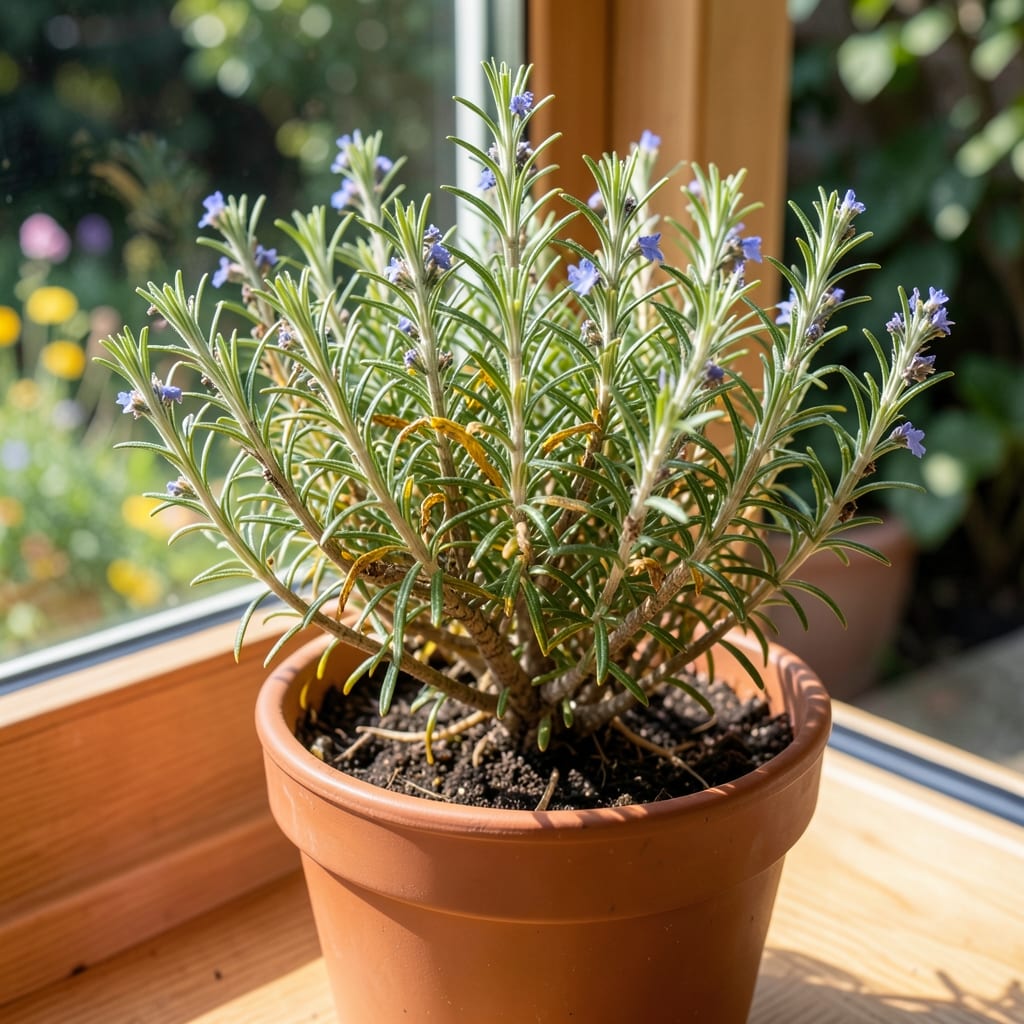
Yellow leaves on your rosemary aren’t a death sentence. I learned this the hard way after drowning mine with kindness, thinking more water meant more growth.
The fix usually starts with your watering habits. Rosemary thrives on neglect, and soggy roots are often the culprit. Check the soil with your finger—if it feels damp 2 inches down, hold off on watering.
Other common causes include poor drainage, nutrient deficiencies, or even too much shade. Each has a simple organic solution, from repotting in grittier soil to adding a bit of compost.
With a little detective work, you’ll have your plant back to its fragrant, vibrant green self in no time.
When your rosemary starts sporting a pale, yellow hue instead of its usual vibrant green, it’s often a sign of underlying stress. Here are the most common causes, backed by science and gardening best practices:
Rosemary is a Mediterranean native, thriving in dry, well-draining conditions. Overwatering leads to root rot, where Phytophthora or Pythium fungi attack the roots, suffocating them and blocking nutrient uptake. Yellowing leaves, especially lower ones, are a classic symptom. Fix: Ensure pots have drainage holes, use a sandy or gritty soil mix, and water only when the top 1–2 inches of soil are dry.
Yellowing can indicate a lack of essential nutrients. Nitrogen deficiency causes uniform yellowing (chlorosis), while iron or magnesium deficiency leads to interveinal yellowing (green veins with yellow tissue). Rosemary prefers lean soil, but extreme depletion starves the plant. Fix: Use a balanced, water-soluble fertilizer (10-10-10) sparingly or amend soil with compost for slow-release nutrients.
Rosemary needs 6–8 hours of direct sunlight daily. Inadequate light disrupts chlorophyll production, causing leaves to turn yellow and drop. This is common in indoor plants or shaded garden spots. Fix: Move pots to a south-facing window or supplement with grow lights (12–16 hours/day). Outdoors, relocate to a sunnier area.
Sap-sucking pests like spider mites, aphids, or mealybugs drain the plant’s resources, leading to stunted growth and yellowing foliage. Check the undersides of leaves for webbing, sticky residue (honeydew), or visible bugs. Fix: Blast off pests with water or apply neem oil or insecticidal soap weekly until resolved.
Rosemary is hardy but hates extremes. Cold snaps below 30°F (-1°C) or heat above 90°F (32°C) can shock the plant, causing yellowing. Frost damage often appears as blackened tips with yellow edges. Fix: Mulch heavily in winter, use row covers, or move pots indoors. In summer, provide afternoon shade and consistent moisture.
If your rosemary is looking sad and yellow, don’t worry—it’s often an easy fix! Below are practical, organic solutions for the most common causes, along with prevention tips to keep your plant thriving.
Rosemary hates soggy roots. If the soil feels damp or smells musty, stop watering immediately. Move the plant to a sunny spot and let the top 2-3 inches of soil dry out completely before watering again. Ensure the pot has drainage holes to prevent waterlogging.
Prevention tip: Water only when the soil is bone-dry, and use a well-draining potting mix. 💡
Rosemary needs at least 6-8 hours of direct sunlight daily. If your plant is indoors or in a shady spot, relocate it to a south-facing window or a sunny outdoor area. For indoor plants, consider a grow light if natural light is limited.
Prevention tip: Rotate potted rosemary occasionally for even sun exposure. ✨
Rosemary thrives in sandy, well-draining soil. If your plant is in heavy clay or compacted soil, repot it with a mix of potting soil, perlite, and sand (50:25:25 ratio). Avoid over-fertilizing—rosemary prefers lean soil. A light dose of compost in spring is enough.
Prevention tip: Refresh the soil every 1-2 years to prevent nutrient depletion. 🌿
Spider mites and aphids can stress rosemary, leading to yellowing. Spray leaves with a mix of water and neem oil (1 tsp per quart) or wipe them with soapy water (1 tsp mild soap per quart). Repeat every 3-5 days until pests are gone.
Prevention tip: Inspect leaves regularly and keep the area around the plant clean. 🎯
Rosemary is sensitive to cold. If temperatures drop below 30°F (-1°C), move potted plants indoors or cover garden plants with frost cloth. Avoid placing it near drafty windows or heaters.
Prevention tip: In colder climates, grow rosemary in containers so you can bring it inside during winter. ❄️
Water only when the top 1-2 inches of soil are completely dry. Overwatering is the most common cause of yellowing. In hot weather, this might mean watering every 7-10 days. Always check soil moisture first.
Unfortunately, once leaves turn yellow, they won’t return to green. Focus on fixing the underlying issue to prevent new leaves from yellowing. Prune off yellow leaves to redirect the plant’s energy.
Use a well-draining mix of 50% potting soil, 25% perlite, and 25% sand. This mimics its native Mediterranean conditions. Avoid heavy clay or moisture-retentive soils that can cause root rot.
This often signals overwatering or poor drainage. The lower leaves are the oldest and most vulnerable to stress. Check your watering habits and ensure the pot has drainage holes.