
Beautiful Plants For Your Interior
Beautiful Plants For Your Interior
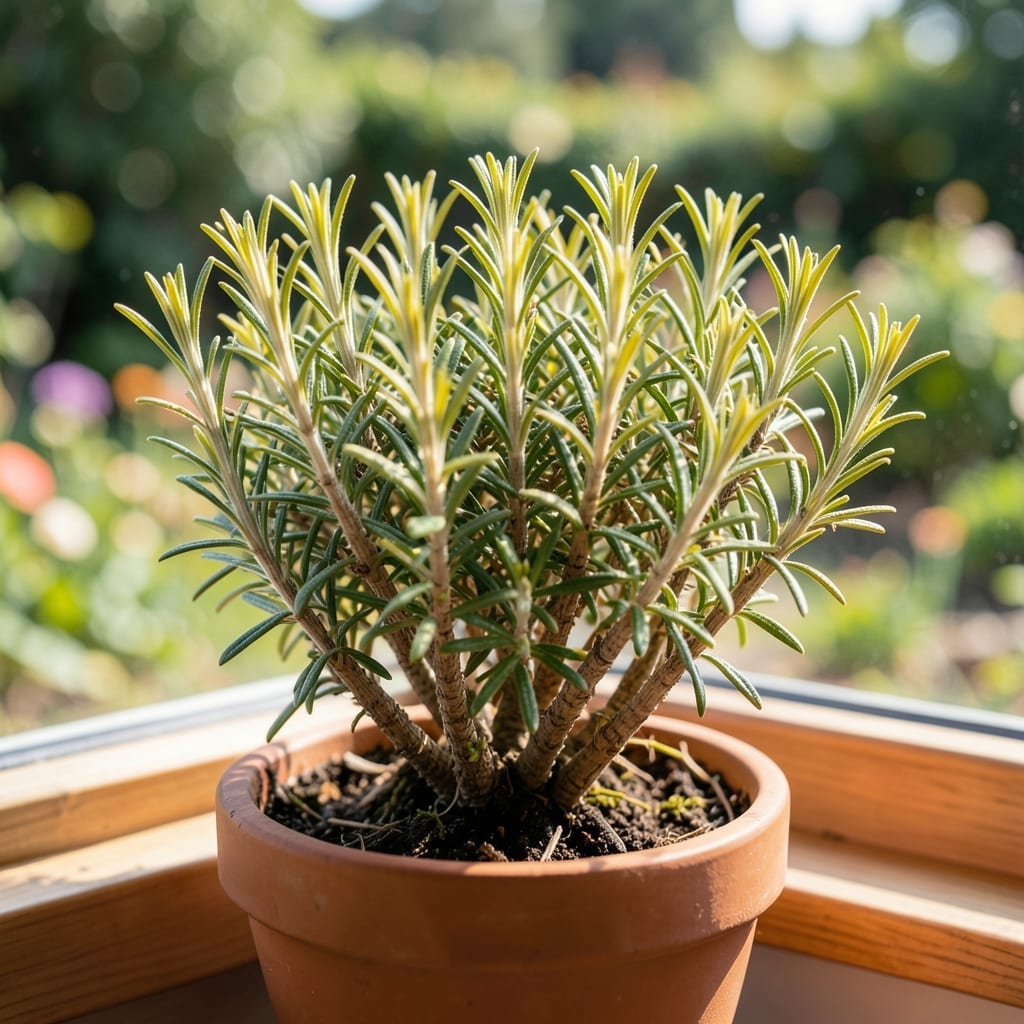
Yellow leaves on rosemary always signal trouble. I’ve rescued dozens of struggling plants by addressing the root cause before it spreads.
Overwatering, poor drainage, or nutrient issues are usually to blame. The fix often starts with checking soil moisture and adjusting your care routine.
With the right approach, new green growth appears within 2-3 weeks. Healthy rosemary bounces back fast when conditions improve.
Prevention keeps it thriving long-term. Well-draining soil and consistent sunlight are non-negotiable for this Mediterranean native.
Rosemary leaves losing their vibrant green color can signal underlying issues. Here are the most common causes, explained scientifically:
Root asphyxiation is the primary culprit. Rosemary, a Mediterranean native, thrives in dry conditions. Excess water fills soil pores, displacing oxygen and preventing roots from respiring. This leads to root rot (often caused by Phytophthora or Pythium fungi), which blocks nutrient uptake, starving leaves of chlorophyll. Action: Ensure pots have drainage holes and use well-draining, sandy soil mixes.
Extreme temperatures or sudden changes can trigger chlorosis (yellowing). Rosemary prefers 60–75°F. Cold drafts (below 30°F) damage cell membranes, while heat stress (above 90°F) accelerates moisture loss, disrupting photosynthesis. Action: Move potted rosemary indoors during cold snaps or provide shade in peak summer.
Yellowing often points to nitrogen (N) or iron (Fe) deficiency. Nitrogen is essential for chlorophyll production; its absence causes uniform yellowing. Iron deficiency, common in alkaline soils (pH > 7), manifests as interveinal chlorosis (yellow leaves with green veins). Action: Test soil pH (aim for 6.0–7.0) and amend with compost or iron chelates.
Spider mites and aphids suck sap from leaves, depleting nutrients and water. Their feeding disrupts the plant’s vascular system, leading to stippling (tiny yellow spots) or widespread yellowing. Action: Inspect leaf undersides and treat with neem oil or insecticidal soap.
If your rosemary is turning yellow, don’t panic—there’s almost always a fix! Below are targeted solutions for the most common causes, along with prevention tips to keep your plant thriving.
Fix: Stop watering immediately and let the soil dry out completely. If the roots are soggy or smelly, repot the plant in fresh, well-draining soil. Trim any black or mushy roots to prevent rot from spreading.
Prevention: Water only when the top 1-2 inches of soil are dry. Use a pot with drainage holes and a gritty, sandy soil mix. 💡 Pro tip: Rosemary prefers dry conditions—when in doubt, underwater!
Fix: Move your rosemary to a spot where it gets 6-8 hours of direct sunlight daily. If growing indoors, place it near a south-facing window or supplement with a grow light.
Prevention: Rotate the pot weekly to ensure even light exposure. Outdoors, avoid shady corners or overhangs.
Fix: Test your soil’s pH—rosemary thrives in slightly alkaline to neutral soil (6.0-7.0). Amend heavy or clay soil with sand or perlite. If nutrients are lacking, use a balanced, low-nitrogen fertilizer (like a 5-10-10) sparingly.
Prevention: Plant in well-draining, sandy loam soil from the start. Avoid over-fertilizing, as rosemary doesn’t need rich soil.
Fix: Inspect the plant for spider mites, aphids, or scale. Wipe leaves with a damp cloth or spray with neem oil or insecticidal soap. Repeat every 5-7 days until pests are gone.
Prevention: Keep your rosemary healthy to deter pests. Avoid overcrowding plants and remove debris around the base. ✨ Bonus: Companion plant with pest-repelling herbs like basil or lavender.
Fix: If exposed to frost, move potted rosemary indoors or cover it with frost cloth. For heat stress, provide afternoon shade and mulch to retain moisture.
Prevention: Rosemary is hardy but prefers temperatures between 60-75°F. In extreme climates, grow it in containers for easy relocation.
Water only when the top 1-2 inches of soil are dry. In hot climates, this may mean watering every 7-10 days. Overwatering is the most common cause of yellowing, as rosemary prefers drier conditions.
Unfortunately, once leaves turn yellow, they won’t recover their green color. Focus on fixing the underlying issue, and new healthy growth should appear within 2-3 weeks. Remove severely yellowed leaves to redirect the plant’s energy.
Use a well-draining mix, such as sandy loam or a cactus/succulent blend. Avoid heavy clay or overly rich soils, as these retain too much moisture. Amend with perlite or sand if needed to improve drainage.