
Beautiful Plants For Your Interior
Beautiful Plants For Your Interior
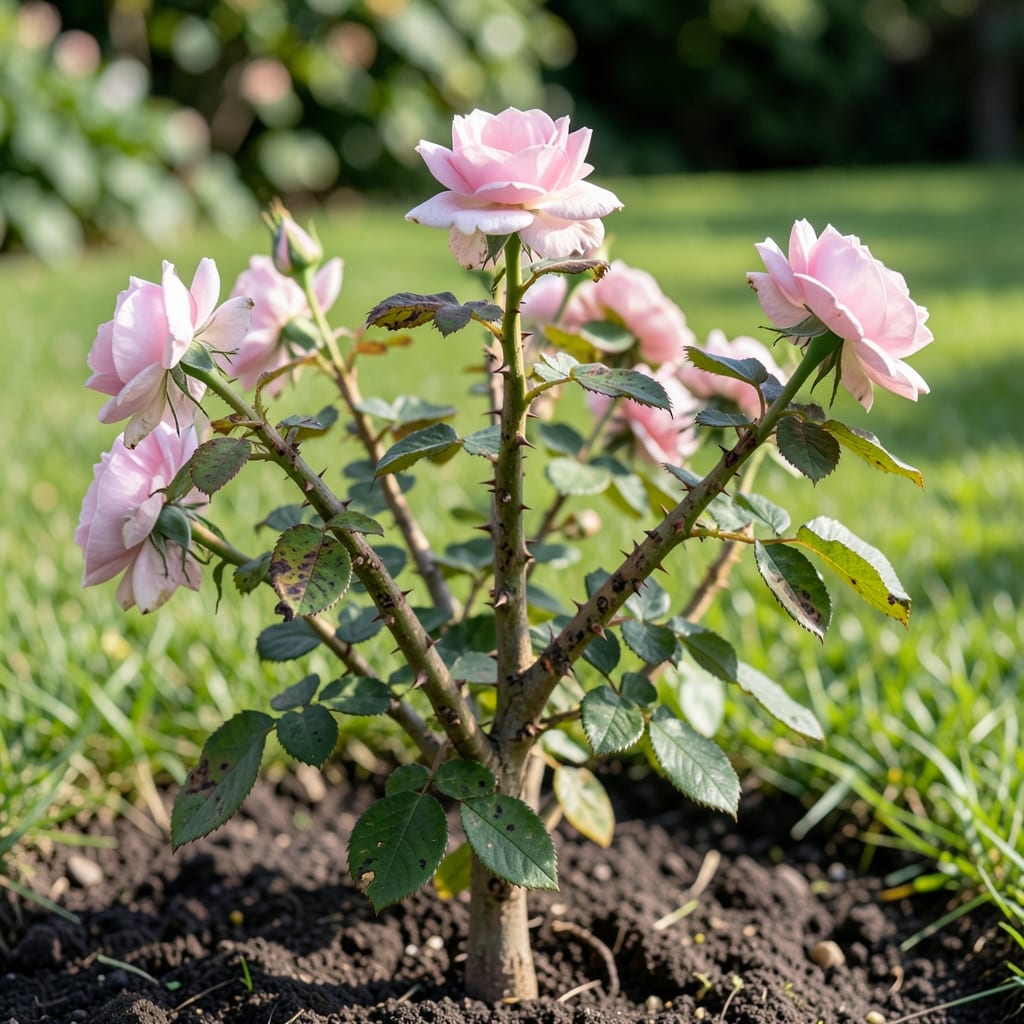
Those black spots on your rose thorns aren’t just ugly—they’re a warning. 🌿 I learned the hard way that ignoring early signs turns a minor issue into a full-blown garden crisis.
Most rose thorn diseases start with subtle changes: discoloration, swelling, or unusual growths. Catching these early means the difference between saving your roses and watching them decline. The good news? Treatment is often simpler than you think.
With the right approach, your roses can bounce back stronger. I’ve tested organic sprays, pruning techniques, and preventive care that keep plants thriving without harsh chemicals.
Whether it’s rust, canker, or blight, early action is your best defense. Here’s how to spot trouble before it spreads.
Understanding the root causes of thorn-related issues in roses helps prevent and manage them effectively. Below are the primary factors that contribute to this condition.
Fungi like Botrytis cinerea or Diplocarpon rosae thrive in damp, poorly ventilated environments. These pathogens enter through wounds or natural openings in the thorns, leading to discoloration, lesions, or dieback. Overhead watering and high humidity create ideal conditions for fungal spores to germinate and spread.
Insects such as aphids, spider mites, or thrips weaken rose plants by feeding on sap, creating entry points for secondary infections. Their saliva may also introduce toxins that exacerbate thorn damage. Regularly inspecting the undersides of leaves and thorns can help catch infestations early.
Extreme temperatures, drought, or excessive moisture stress the plant, reducing its natural defenses. Thorns may become brittle or discolored due to nutrient imbalances caused by poor soil quality or improper pH levels. Ensuring consistent watering and well-draining soil mitigates these risks.
A lack of essential nutrients like calcium, magnesium, or potassium weakens cellular structure, making thorns more susceptible to disease. Yellowing or stunted growth often signals a deficiency. Conducting a soil test and amending with organic compost or targeted fertilizers restores plant health.
Dealing with rose thorn disease starts with identifying the root cause and applying the right fix. Here’s a practical guide to tackle common issues:
If black spots or powdery mildew appear, prune infected canes immediately with sterilized shears. Dispose of the clippings far from your garden. Follow up with a fungicide spray (copper-based or neem oil work well). Prevention tip: 💡 Water at the base to keep leaves dry and improve airflow.
For oozing cankers or wilting, cut out affected areas and disinfect tools between snips (rubbing alcohol does the trick). Boost plant immunity with a balanced fertilizer and avoid overhead watering. Prevention tip: ✨ Space plants properly to reduce humidity buildup.
Aphids or thrips spreading disease? Introduce beneficial insects like ladybugs or apply horticultural oil to smother pests. Prevention tip: 🎯 Inspect regularly and remove pests by hand if caught early.
Yellowing leaves or stunted growth may signal poor soil or extreme temps. Test soil pH (aim for 6.0–6.5) and mulch to retain moisture. Prevention tip: 🌡️ Shade cloth can protect roses from harsh afternoon sun.
Proactive steps like these keep your roses thriving and disease-free!
Check for black spots, white powdery residue, or unusual swelling on thorns. Early symptoms often include discolored or brittle thorns, which signal fungal or bacterial issues.
Yes! A mix of 1 tablespoon baking soda and 1 quart water with a drop of dish soap makes an effective spray. Apply weekly to prevent fungal spread.
Inspect plants at least once a week during growing season. Focus on thorns, leaves, and stems, especially after rain, when diseases spread fastest.
Remove infected canes immediately with sterilized tools. Dispose of clippings in sealed bags to avoid contaminating healthy plants.