
Beautiful Plants For Your Interior
Beautiful Plants For Your Interior
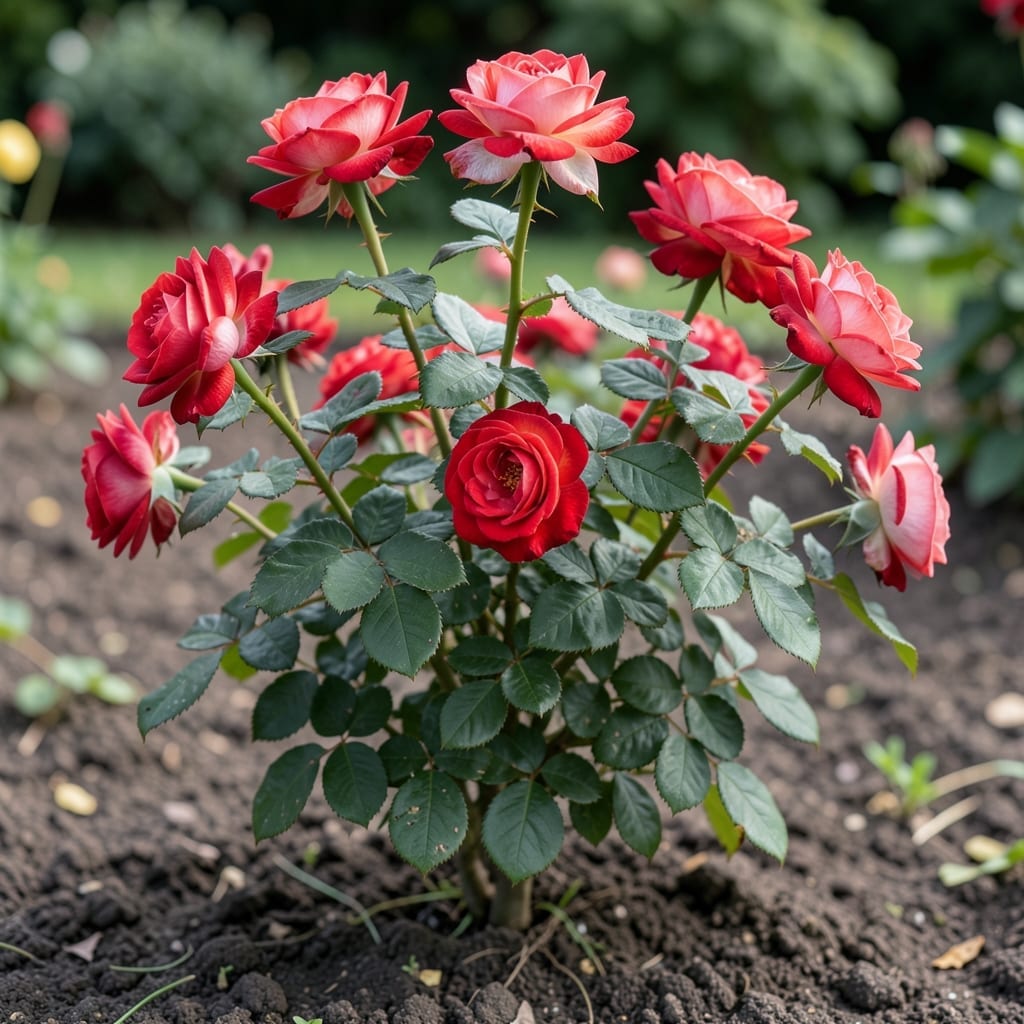
Wrinkled, curled, or puckered rose leaves aren’t just unsightly—they’re your plant’s distress signal. I’ve seen healthy bushes turn into twisted messes overnight, and the culprits are usually hiding in plain sight.
Most cases trace back to aphids, thrips, or fungal infections, but sometimes it’s just your rose reacting to too much love—overwatering, over-fertilizing, or even the wrong spray at the wrong time. The fix starts with a closer look.
Once you spot the pattern, organic solutions like neem oil, insecticidal soap, or even a strong blast of water can turn things around fast. Prevention is simpler than you’d think: clean tools, good airflow, and consistent care.
Your roses can bounce back with leaves so smooth and vibrant they’ll make the neighbors ask for your secret.
Deformed rose leaves are often a red flag for underlying issues. 🚨 Here’s a breakdown of the most common causes and the science behind them:
Aphids, thrips, and spider mites are prime suspects. These pests pierce leaf tissues, injecting toxins or transmitting viruses like Rose rosette virus (RRV), which disrupts cell growth. Look for curled, puckered, or stunted leaves—classic signs of their feeding damage.
Pathogens such as Powdery mildew (Podosphaera pannosa) or Bacterial leaf spot (Xanthomonas fragariae) distort leaves by attacking cellular structures. Fungi thrive in high humidity, while bacteria exploit wounds or wet foliage, leading to twisted or blotched growth.
Lack of boron or calcium can cause abnormal leaf development. Boron deficiency, for example, impairs cell wall formation, resulting in brittle, misshapen leaves. A soil test can confirm imbalances—correct with organic amendments like compost or eggshells.
Extreme heat, frost, or herbicide drift disrupts normal leaf formation. Heat stress triggers epinasty (downward curling), while chemical exposure causes growth regulator-like effects, twisting new growth. Shield roses with mulch or shade cloth during temperature swings.
Rarely, spontaneous genetic errors cause fasciation—a flattened, ribbon-like growth. While harmless, it’s a sign of cellular misdivision. No treatment is needed, but remove affected stems to redirect energy.
When your rose leaves start looking twisted or misshapen, quick action can restore their beauty. Below are targeted fixes for common causes, paired with prevention tips to keep your roses thriving.
Fix: Spray leaves with a neem oil solution (1 tbsp oil + 1 tsp dish soap per gallon of water) every 3–5 days until pests vanish. For severe infestations, use insecticidal soap at dusk to avoid harming bees.
Prevent: Attract beneficial insects like ladybugs with companion plants (e.g., marigolds or lavender). Inspect leaves weekly for early signs. 💡
Fix: Remove deformed leaves and dispose of them away from the garden. Apply a baking soda spray (1 tsp baking soda + 1 quart water + a few drops of soap) weekly. For stubborn cases, use copper fungicide (follow label instructions).
Prevent: Water at the base of the plant (keep leaves dry) and space roses for airflow. Prune crowded branches to reduce humidity. 🌡️
Fix: Shield roses from harsh afternoon sun with shade cloth or relocate potted roses. If chemical drift is suspected, rinse leaves with water and avoid herbicides near the garden.
Prevent: Mulch soil to retain moisture and regulate temperature. Use organic fertilizers to avoid leaf burn. ✨
Fix: For yellowing, deformed leaves, apply Epsom salt (1 tbsp per gallon of water) as a foliar spray for magnesium. For zinc deficiency, use a balanced rose fertilizer with micronutrients.
Prevent: Test soil annually and amend with compost. Feed roses slow-release organic fertilizer in early spring and after blooming. 🎯
Check the undersides of leaves for tiny insects or webbing. Aphids leave sticky residue, while thrips create silvery streaks. A magnifying glass helps spot these early signs.
Yes! Remove affected leaves immediately to prevent spread. Use clean shears and dispose of debris far from the plant. This redirects energy to healthy growth.
Soggy soil suffocates roots, leading to stressed, misshapen leaves. Let the top 1-2 inches of soil dry between waterings. Proper drainage is key.