
Beautiful Plants For Your Interior
Beautiful Plants For Your Interior
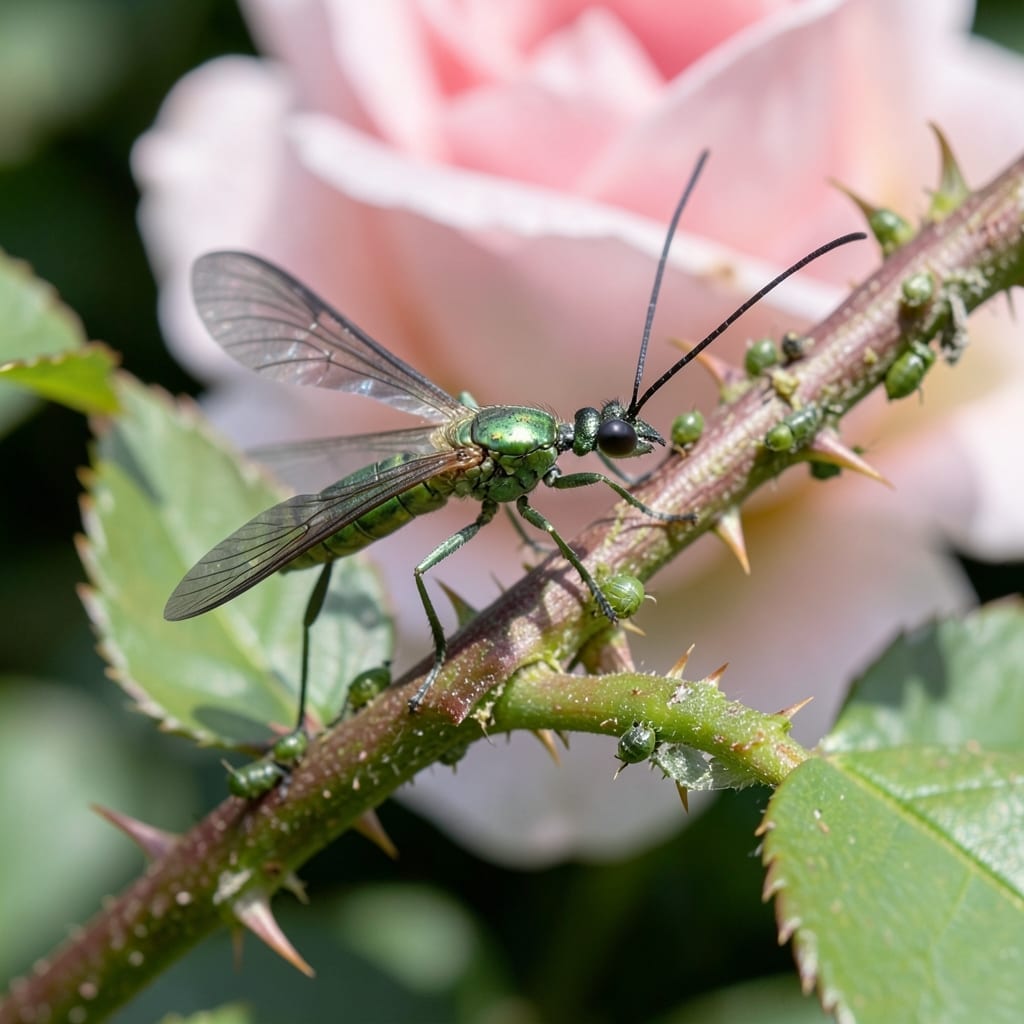
I noticed the first aphids on my roses during a spring inspection. Tiny green dots clustering on new growth, sucking the life out of what should have been vibrant blooms.
Here’s the thing—aphids multiply faster than you can say “rose garden.” Left unchecked, they curl leaves, stunt growth, and spread disease. But natural solutions work better than you’d expect.
You’ll see results within 24-48 hours using simple sprays and beneficial insects. The roses bounce back with healthier foliage and more abundant blooms.
Works for all rose varieties, from climbers to miniatures. No harsh chemicals required.
Understanding why aphids target your roses is the first step in effective rose aphids control. These tiny pests thrive under specific conditions, often exploiting weaknesses in plant health or environmental imbalances. Below are the primary causes, explained with actionable insights.
Aphids are drawn to soft, new growth, which is rich in nitrogen. Excessive use of nitrogen-heavy fertilizers (e.g., synthetic lawn feeds) creates an ideal breeding ground. Roses fed with balanced, slow-release organic fertilizers (like compost or bone meal) develop tougher tissues, making them less appealing to aphids.
Both drought and waterlogged soil stress roses, weakening their natural defenses. Aphids detect stressed plants via chemical signals and swarm them. Maintain consistent moisture—water deeply 1–2 times per week at the base (not foliage) to avoid creating humid conditions that aphids love.
Monoculture gardens (e.g., only roses) lack natural predators like ladybugs, lacewings, or parasitic wasps that keep aphid populations in check. Introduce companion plants such as marigolds, dill, or yarrow to attract beneficial insects and disrupt aphid lifecycles.
Aphids reproduce rapidly in temperatures between 60–80°F (15–27°C) with low humidity. Spring and early summer are peak seasons. While you can’t control the weather, early intervention—like spraying with neem oil or insecticidal soap at the first sign of infestation—prevents explosive growth.
Rose aphids can be stubborn, but these targeted solutions will help you reclaim your garden’s beauty and keep your roses thriving.
A strong spray of water from your garden hose can dislodge aphids from rose buds and leaves. Use a gentle but firm stream early in the day to allow foliage to dry quickly, reducing the risk of fungal issues. Repeat every few days until the infestation clears.
Encourage beneficial insects like ladybugs, lacewings, and hoverflies, which feed on aphids. Plant companion flowers such as marigolds, daisies, or yarrow nearby to attract these helpers. Avoid broad-spectrum pesticides, as they can harm these allies.
Mix 1-2 teaspoons of mild liquid soap (like Castile soap) with a quart of water and spray directly onto aphids. The soap disrupts their cell membranes, causing them to dehydrate. Reapply every 2-3 days or after rain for best results.
Neem oil is a natural insecticide that disrupts aphid feeding and reproduction. Mix 1-2 tablespoons of neem oil with a gallon of water and a teaspoon of dish soap (as an emulsifier), then spray evenly on affected plants. Apply in the early morning or late evening to avoid harming bees.
Inspect your roses every 2-3 days during spring and early summer. Focus on new growth and the undersides of leaves where aphids love to hide. Early detection makes treatment much easier.
Yes, but use a mild, unscented dish soap and dilute it properly (1-2 teaspoons per quart of water). Avoid soaps with degreasers or moisturizers, as they can harm your roses.
Neem oil is generally safe, but apply it in the early morning or late evening when bees are less active. Never spray directly on flowers where pollinators are present.
They may be hitching rides on ants or returning from nearby plants. Create a barrier with sticky tape around the base and treat neighboring plants. Consistent prevention is key.