
Beautiful Plants For Your Interior
Beautiful Plants For Your Interior
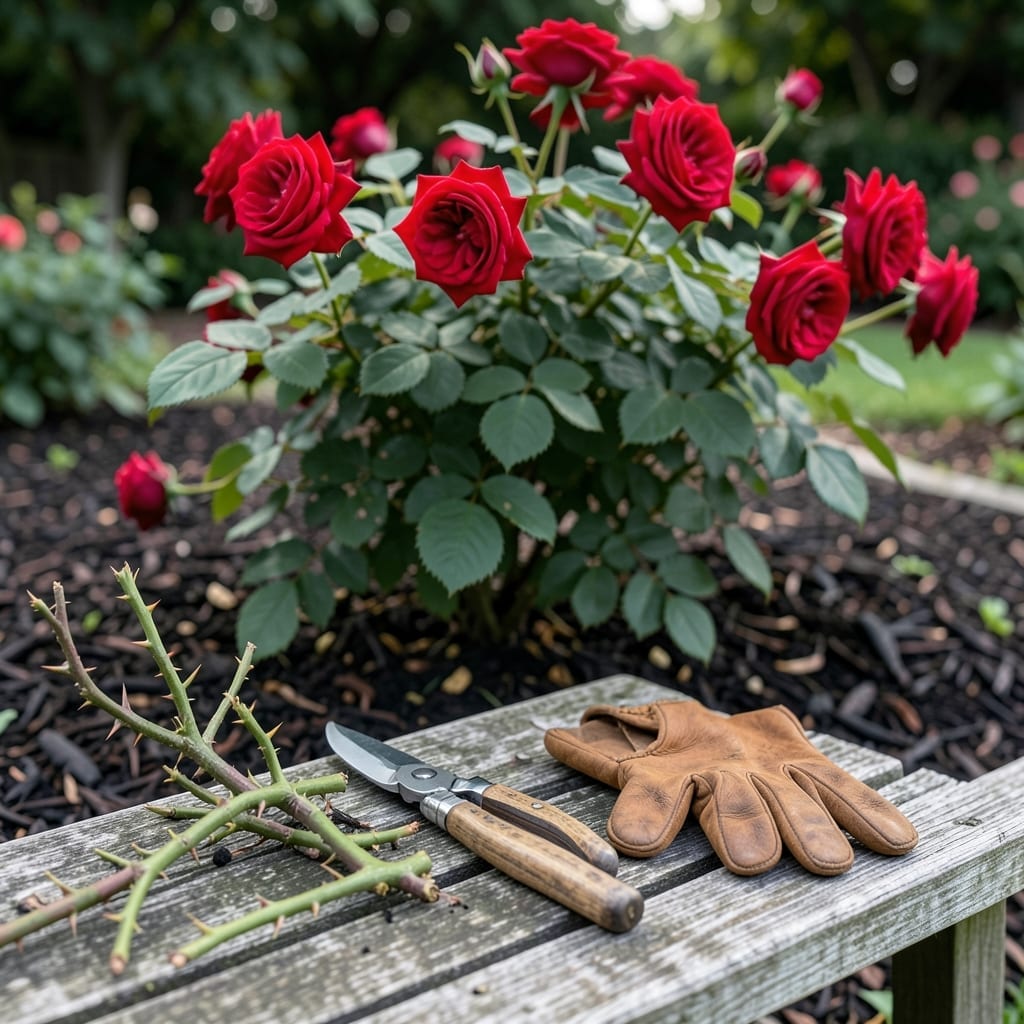
Pruning your 🌹 Rose at the right time can mean the difference between a lackluster garden and one bursting with vibrant blooms. Timing it wrong might leave you with sparse flowers or even damage your plants.
I’ve learned through trial and error that the best window aligns with nature’s rhythm, especially in zones like 6. The key is knowing when to act to encourage healthy growth and abundant flowers.
Discover how to nail the timing for your Rose variety, ensuring your garden thrives all season long. Let’s get started.
Timing your rose pruning correctly is crucial for healthy growth and abundant blooms. The best window varies by rose type and climate zone, but early spring is ideal for most varieties.
In cold climates like USDA Zone 6, I wait until new growth begins, usually March or April. This ensures the plant isn’t vulnerable to late frosts after pruning.☀️
| Rose Type | Best Pruning Time | Notes |
|---|---|---|
| Hybrid Teas | Early Spring | Before buds swell |
| Floribundas | Early Spring | Same as hybrid teas |
| Climbers | After Blooming | Late summer or fall |
| Shrub Roses | Early Spring | Light prune annually |
| Old Garden Roses | After Blooming | Minimal pruning needed |
Warm climates allow for earlier pruning, sometimes as early as February. I’ve seen Florida gardeners start in January to avoid the heat stress of late spring.
For climbing roses, timing differs. I prune mine after their first bloom, usually in late summer. This encourages new canes for next year’s flowers and keeps the plant manageable.
Old garden roses, like David Austin varieties, often bloom on old wood. I prune these right after flowering to avoid cutting off next year’s buds.
In mild winters, I’ve found light pruning in December can prevent wind damage. But I always save the major cuts for early spring.
For repeat bloomers, I do a light trim after each flush of flowers. This keeps them shapely and encourages more blooms.
Remember, clean tools are a must. I always sterilize my pruners with rubbing alcohol between cuts to prevent disease spread.✂️
If you’re unsure, observe your rose’s growth. When you see new red shoots emerging, it’s time to prune. This signal works for most rose types.
Finally, local conditions matter. I check with neighboring gardeners or extension services for region-specific advice. This has saved me from many pruning mistakes.🌹
Pruning your roses correctly ensures strong growth and bountiful flowers. I always start with the right tools: sharp bypass pruners, lopping shears, and thick gloves for protection.✂️
Begin by removing dead or diseased wood, cutting back to healthy tissue. This prevents the spread of fungal infections and keeps the plant vibrant. Next, I open the center of the bush to improve air circulation.
When making cuts, I aim for a 45-degree angle about ¼ inch above an outward-facing bud. This encourages new growth to spread outward, preventing a crowded center.
For hybrid teas, I prune back to 18-24 inches from the ground. Floribundas get a slightly lighter trim, while shrub roses only need shaping. I always step back frequently to assess the overall shape.
After pruning, I clean up thoroughly. Removing all fallen leaves and cuttings eliminates hiding places for pests and diseases. I also disinfect my tools with rubbing alcohol between plants.
Timing matters even during the process. I prune on a dry, sunny day to help cuts heal quickly. Avoid pruning when rain is forecast, as wet conditions can spread disease.☀️
Finally, I fertilize lightly after pruning to give my roses a nutrient boost. This helps them recover quickly and prepares them for the growing season ahead.🌹