
Beautiful Plants For Your Interior
Beautiful Plants For Your Interior
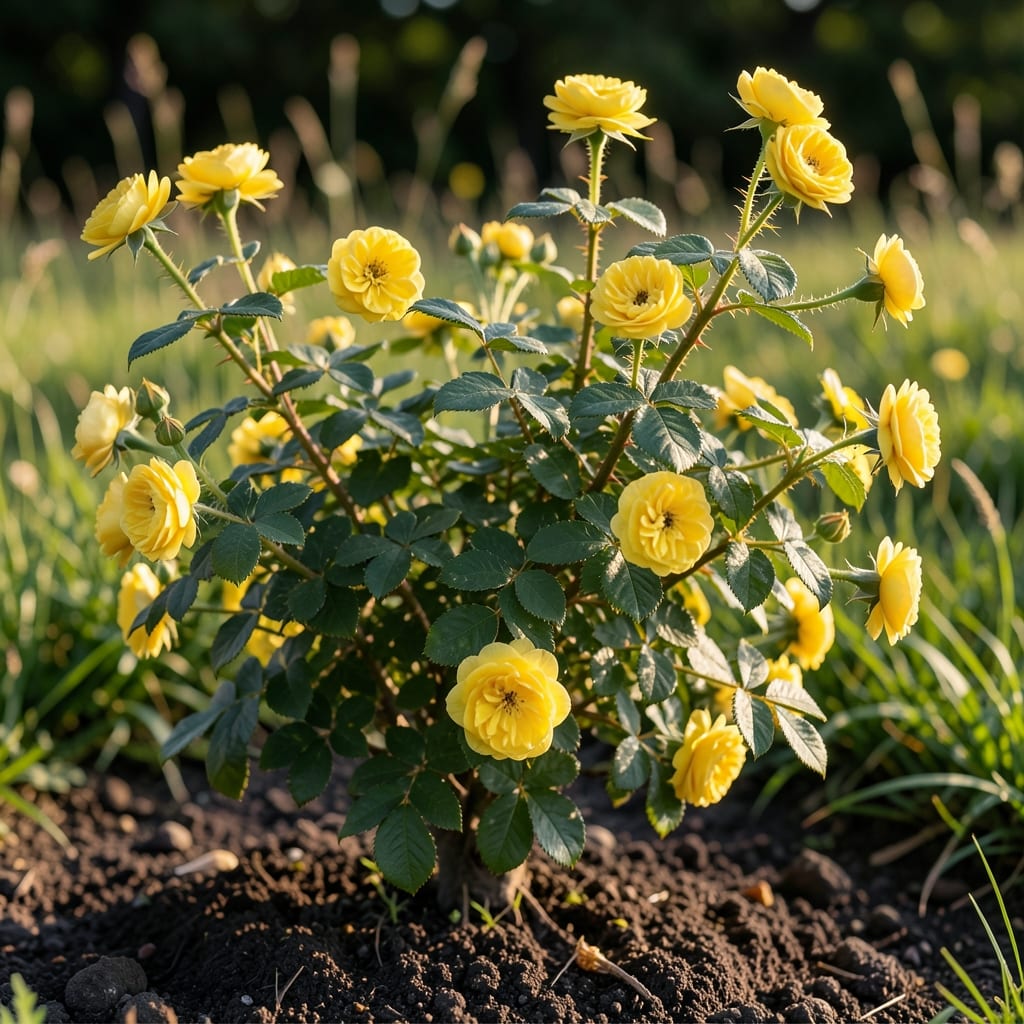
I fell for Rosa rugosa ‘Yellow’ the first time I saw its cheerful blooms against dark green foliage. This tough shrub rose handles coastal conditions, poor soil, and even salt spray without breaking a sweat.
Plant it in full sun and watch it thrive with minimal fuss. You’ll get months of golden blooms, rose hips for wildlife, and a plant that laughs at most diseases. Perfect for borders or wild gardens.
📚 In This Guide
This seasonal routine keeps your shrubs thriving with minimal effort and maximum bloom.
Start in early spring when new growth begins but before buds swell. Remove any dead, damaged, or crossing branches first using clean, sharp pruners. I always cut back to a healthy outward-facing bud about ¼ inch above it at a slight angle to prevent water pooling.
Clear away last year’s leaves and debris from around the base. This isn’t just tidying—it removes hiding spots for pests and diseases that overwintered. You’ll see fresh, red-tinged growth emerging from the canes within 2-3 weeks of pruning.
After pruning, apply a balanced rose fertilizer or a 2-inch layer of well-rotted compost around the base, keeping it 6 inches away from the stem to prevent rot. I’ve found organic options like fish emulsion work just as well if applied every 4-6 weeks through the growing season.
Spread a 3-inch layer of organic mulch like wood chips or straw to retain moisture and suppress weeds. The mulch should feel slightly damp to the touch after watering—if it’s dry beneath the surface, your shrub needs more water.
Rosa rugosa tolerates some drought, but for vibrant yellow blooms, water deeply at the base once a week during dry spells. Give each mature plant about 1-2 gallons per watering. I check by sticking my finger 2 inches into the soil—if it feels dry, it’s time to water.
Deadhead spent blooms regularly by snipping just above a five-leaflet leaf. This encourages continuous flowering through summer. You’ll notice new flower buds forming within 7-10 days of deadheading if you’re consistent.
Stop fertilizing by late summer to allow the plant to harden off for winter. In early fall, reduce watering gradually as temperatures drop. I stop deadheading in September to allow rose hips to form, which provides winter interest and food for birds.
After the first hard frost (usually around 25°F), mound 6-8 inches of soil or compost around the base of the plant for extra protection. In colder climates, add a 12-inch layer of straw or leaves after the ground freezes for additional insulation.
Check on your shrubs periodically during winter, especially after heavy snow or ice storms. Gently brush off excess snow to prevent branch breakage, but avoid removing all snow cover as it acts as natural insulation. I’ve lost canes to ice damage before—now I wrap vulnerable plants in burlap if extreme weather is forecast.
In late winter, prune any additional dead wood you notice. The best time is when the plant is still dormant but the worst cold has passed. You’ll know it’s time when daytime temperatures consistently reach 40°F or higher.
Small details make the difference between surviving shrubs and spectacular blooms.
The Pruning Angle: In Step 1, cutting at that slight angle to a healthy outward-facing bud ¼ inch above it prevents water from pooling on the cut surface, which can lead to rot or disease. I learned this the hard way after losing several canes to moisture damage.
Mulch Placement: When adding that 3-inch layer of mulch in Step 2, keep it 6 inches away from the stem. Piling mulch against the base creates perfect conditions for stem rot. I check the moisture by feeling beneath the surface—if it’s dry, it’s time to water.
Watering Technique: For Step 3, that 1-2 gallons per mature plant should go directly at the base, not overhead. Wet foliage encourages fungal diseases, and deep watering at the roots promotes stronger growth. The 2 inches soil check is my go-to test for knowing when to water.
Winter Protection Timing: In Step 4, don’t wait too long to mound that 6-8 inches of soil after the first hard frost around 25°F. The soil acts as insulation, and doing it too late leaves roots vulnerable to freezing temperatures. In colder areas, that 12-inch layer of straw is worth the effort.
Water deeply once a week, allowing the soil to dry slightly between waterings. Increase frequency during extreme heat or drought , but avoid overwatering to prevent root rot.
Prune in late winter or early spring before new growth starts . Remove dead or diseased wood, and shape the plant for better airflow and blooming.
Watch for aphids, Japanese beetles, or powdery mildew . Treat with neem oil or insecticidal soap, and ensure good airflow to reduce fungal issues.
Yes! Use a large pot with drainage holes and well-draining soil. Dwarf varieties work best, but be mindful of watering and fertilizing needs .
Poor soil, lack of sunlight, or nutrient deficiencies may dull blooms. Test soil pH (aim for 6.0-6.5) and amend with compost or rose-specific fertilizer .