
Beautiful Plants For Your Interior
Beautiful Plants For Your Interior
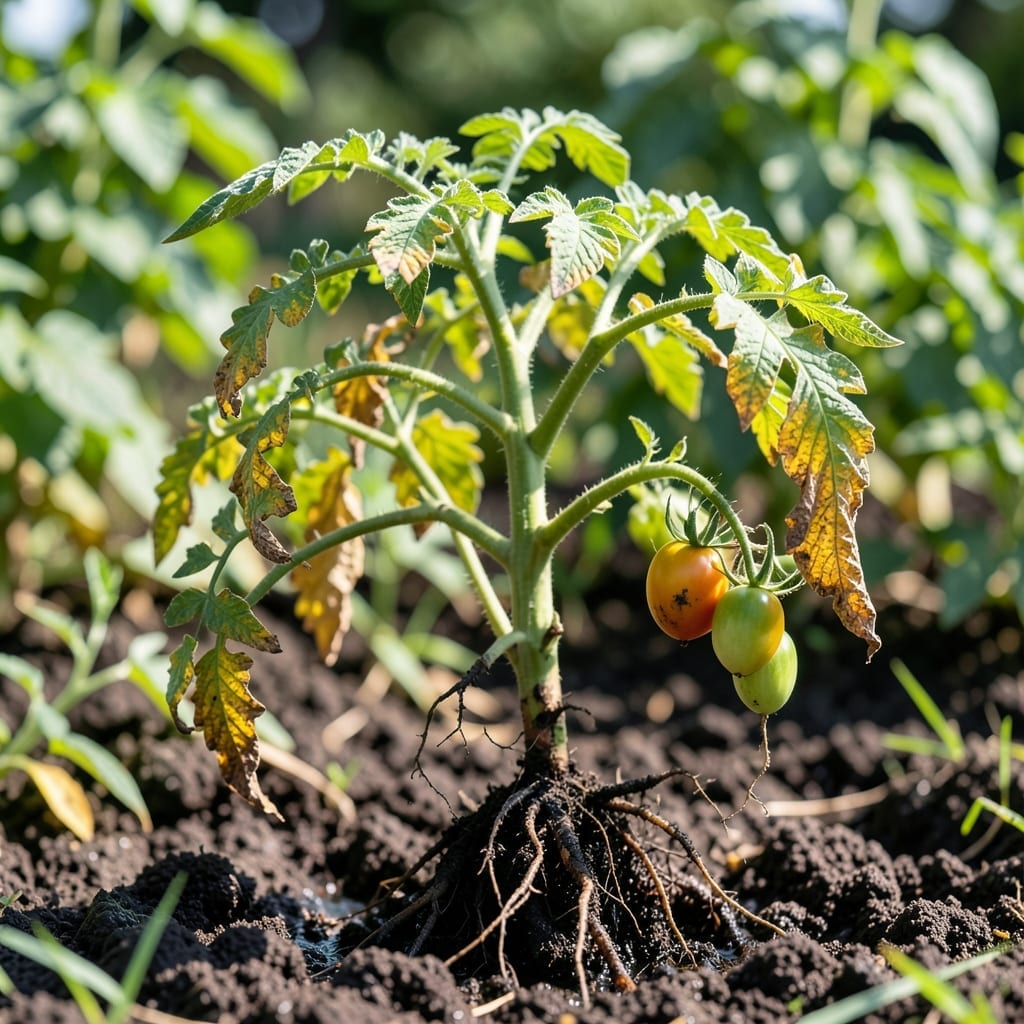
Yellowing leaves and wilting stems don’t always mean underwatering. I learned this the hard way after losing three prized ferns to root rot before I knew what to look for.
The first sign is often stunted growth or leaves turning dark brown at the edges. Then the roots—the real tell—turn mushy and black instead of firm and white. Most people don’t check until it’s too late.
Catching it early means you can still save the plant with a few simple steps. The key is acting fast before the rot spreads to the entire root system.
Works for houseplants, garden vegetables, and even trees. Here’s how to spot it before it’s too late.
Root rot doesn’t appear out of nowhere—it’s the result of specific environmental and biological conditions. Here’s a breakdown of the most common causes, explained in clear, actionable terms.
Excessive moisture is the #1 culprit behind root rot. When soil stays soggy, roots can’t access oxygen, creating an anaerobic environment. This suffocates the roots and invites Phytophthora, Pythium, and Fusarium—fungus-like pathogens that thrive in waterlogged conditions. Poor drainage (e.g., compacted soil or lack of drainage holes in pots) compounds the problem by trapping water.
Pathogens can lurk in reused or low-quality soil, especially if it’s never been sterilized. Infected soil introduces spores directly to the root zone, where they germinate and attack healthy tissue. Organic matter like uncomposted bark or manure can also harbor these organisms, accelerating decay.
Stagnant air and high humidity (above 60%) create a breeding ground for fungal growth. In greenhouses or densely planted gardens, poor ventilation traps moisture around roots, promoting rot. This is why proper spacing and airflow are critical, especially in humid climates.
Over-fertilization, particularly with nitrogen-heavy mixes, can soften root tissues, making them more susceptible to infection. Conversely, a lack of calcium or potassium weakens root cell walls, leaving them vulnerable to pathogens. Always test soil before amending to avoid unintended imbalances.
Physical damage from transplanting, pests, or rough handling creates entry points for rot-causing organisms. Even minor root injuries (e.g., from aggressive pruning) can invite infection. Stressors like temperature swings or drought can also weaken roots, reducing their natural resistance.
Root rot can be devastating, but with quick action and the right approach, you can often save your plants. Below are practical solutions tailored to the most common causes, along with prevention tips to keep your plants healthy long-term.
If soggy soil is the culprit, stop watering immediately and let the soil dry out. Check moisture levels by sticking your finger 1-2 inches into the soil—only water when it feels dry. For potted plants, ensure containers have drainage holes, and consider repotting in fresh, well-draining soil. Prevention tip: Use a moisture meter 🌡️ to avoid guesswork.
For fungal or bacterial root rot, remove affected roots with sterilized scissors and treat the remaining healthy roots with a copper-based fungicide or hydrogen peroxide solution (1 part 3% peroxide to 4 parts water). Discard infected soil and clean the pot with a bleach solution (1:10 bleach-to-water ratio). Prevention tip: Avoid overcrowding plants to improve airflow ✨.
If poor drainage is the issue, repot the plant in a mix of 50% potting soil and 50% perlite or sand to boost aeration. Choose pots with drainage holes, and elevate them to prevent water pooling. For garden beds, amend heavy clay soil with compost or peat moss. Prevention tip: Add a layer of gravel at the bottom of pots for extra drainage 💡.
Over-fertilizing can burn roots, making them vulnerable. Flush the soil with water to remove excess salts, then hold off on fertilizer for 2-4 weeks. Resume with a balanced, water-soluble fertilizer at half strength. Prevention tip: Fertilize sparingly during dormant seasons 🎯.
Pro tip: Isolate infected plants to prevent spreading, and always sterilize tools between uses! 🔥
Look for wilting leaves, yellowing foliage, and stunted growth. The most telling sign is mushy, dark brown or black roots instead of firm white ones. A foul odor from the soil is another red flag.
Yes, if caught early. Trim away all affected roots with sterilized scissors, repot in fresh soil, and adjust watering habits. Severe cases may require fungicide treatment to fully recover.
Overwatering is the primary culprit, especially in poorly draining soil. This creates an oxygen-free environment where harmful fungi and bacteria thrive. Always check soil moisture before watering.
Use well-draining soil, space plants properly for airflow, and avoid overwatering. Sterilize pots and tools regularly to prevent pathogen spread. Adding perlite to potting mix improves drainage.