
Beautiful Plants For Your Interior
Beautiful Plants For Your Interior
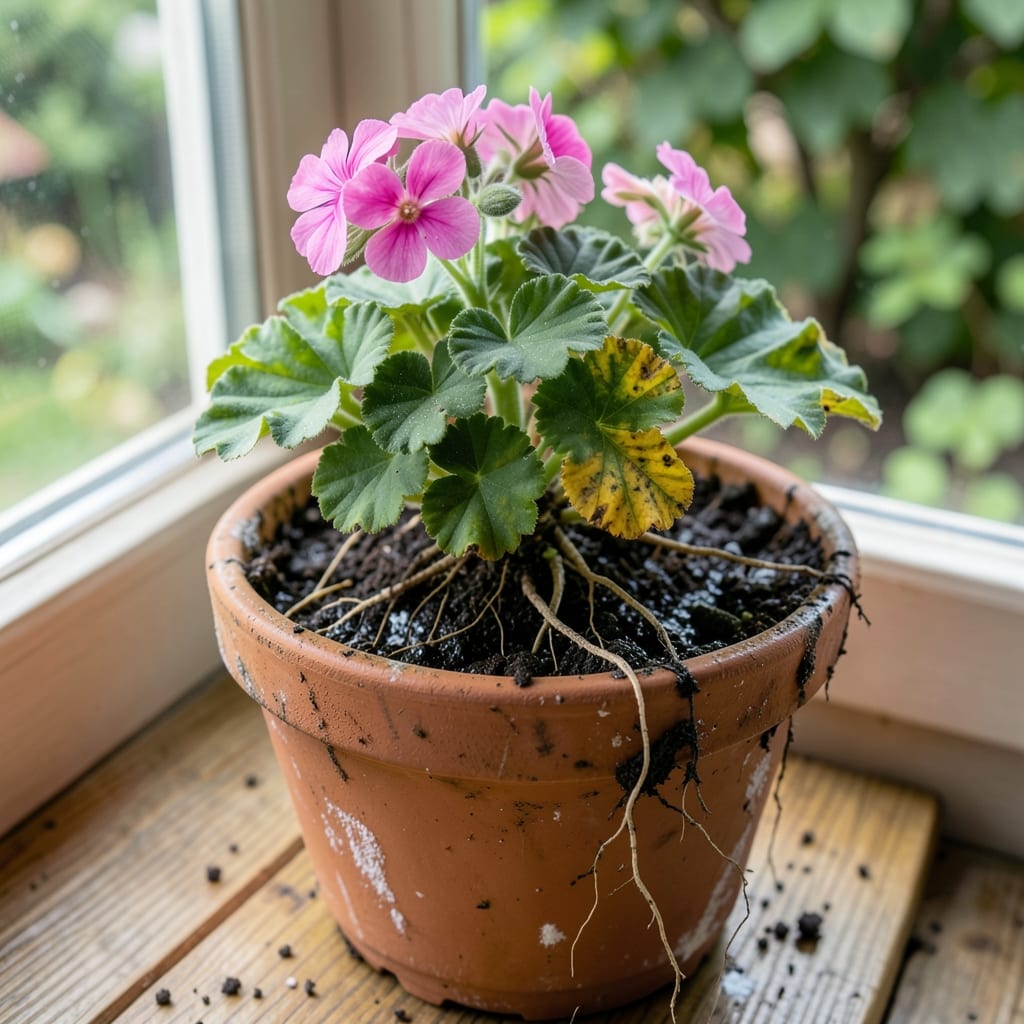
Yellowing leaves and wilting stems on your geraniums spell trouble. I’ve lost more than a few to root rot, but catching it early changes everything. The first sign is often soft brown roots instead of firm white ones.
Overwatering is the usual culprit, but poor drainage or heavy soil plays its part too. I learned the hard way that geraniums prefer to dry out between waterings. A pot with drainage holes is non-negotiable.
The fix involves trimming affected roots, repotting in fresh soil, and adjusting your watering routine. It sounds drastic, but most plants bounce back within 2-3 weeks if you act fast.
Prevention is simpler than treatment: water only when the top inch of soil feels dry, and always empty the saucer after watering. Your geraniums will thank you.
Root rot in geraniums is a common but preventable issue caused by a mix of environmental and care-related factors. Understanding these triggers helps you act fast to save your plants. Below are the primary culprits, explained in clear, scientific terms.
Excess moisture is the leading cause of root rot. Geraniums thrive in well-draining soil, and when water pools around the roots, it creates an anaerobic (oxygen-deprived) environment. This suffocates the roots and invites Phytophthora or Pythium fungi, which thrive in soggy conditions. Actionable fix: Water only when the top inch of soil is dry, and ensure pots have drainage holes.
Dense, clay-heavy, or poorly aerated soil traps water and restricts root respiration. Geranium roots need air pockets to absorb nutrients and oxygen. Without them, roots weaken and become susceptible to fungal infections. Actionable fix: Amend soil with perlite, sand, or coconut coir to improve drainage and aeration.
Soil-borne fungi like Fusarium and Rhizoctonia can lie dormant until conditions (e.g., excess moisture) activate them. These pathogens attack the root system, causing decay. Actionable fix: Sterilize soil before planting (bake at 200°F for 30 minutes) or use a fungicide drench at the first sign of trouble.
Reusing pots without cleaning can introduce lingering fungal spores or bacteria. Even new pots may carry contaminants if stored improperly. Actionable fix: Wash containers with a 10% bleach solution (1 part bleach to 9 parts water) before reuse.
Geraniums prefer moderate temperatures (65–75°F). High humidity or cold, waterlogged soil slows root metabolism, making them more vulnerable to rot. Actionable fix: Keep plants in well-ventilated areas and avoid overwatering in cooler months.
Root rot in geraniums is treatable if caught early. Below are targeted fixes for the most common causes, along with prevention tips to keep your plants thriving.
If soggy soil is the culprit, stop watering immediately and let the top 1-2 inches of soil dry out. Repot the plant in fresh, well-draining potting mix (add perlite or sand for aeration). Use containers with drainage holes to prevent future waterlogging. Prevention tip: 💡 Water only when the soil feels dry to the touch—geraniums prefer slightly dry conditions.
Heavy or compacted soil suffocates roots. Remove the plant, trim any black, mushy roots with sterilized scissors, and repot in a light, airy mix (e.g., 60% potting soil + 40% perlite or vermiculite). Elevate pots on feet or saucers to avoid standing water. Prevention tip: ✨ Always use a mix labeled for “container plants” or DIY your own for better drainage.
For fungal root rot, drench the soil with a solution of 1 tbsp hydrogen peroxide per cup of water or use a copper-based organic fungicide. Remove severely affected roots and repot in clean soil. Prevention tip: 🌡️ Avoid overcrowding plants—good airflow reduces fungal spores.
Dirty pots or tools can spread disease. Wash containers with a 1:10 bleach-water solution (rinse well) and sterilize pruners with rubbing alcohol before use. Prevention tip: 🎯 Always clean tools between plants to prevent cross-contamination.
After treatment, place geraniums in bright, indirect light and avoid fertilizing until recovery is clear (new growth appears). With these steps, your geraniums can bounce back stronger! 🌿
Look for yellowing leaves, wilting stems, and soft brown roots instead of firm white ones. A foul odor from the soil is another red flag. Early detection makes treatment much easier.
Only if you clean it thoroughly first. Wash with a 1:10 bleach-water solution, then rinse well. This kills lingering fungal spores that could reinfect your plant.
Use a light, airy mix with 60% potting soil and 40% perlite or vermiculite. This ensures proper drainage and aeration, reducing the risk of waterlogged roots.
Water only when the top 1-2 inches of soil feel dry. Geraniums prefer slightly dry conditions, so it’s better to underwater than overwater.