
Beautiful Plants For Your Interior
Beautiful Plants For Your Interior
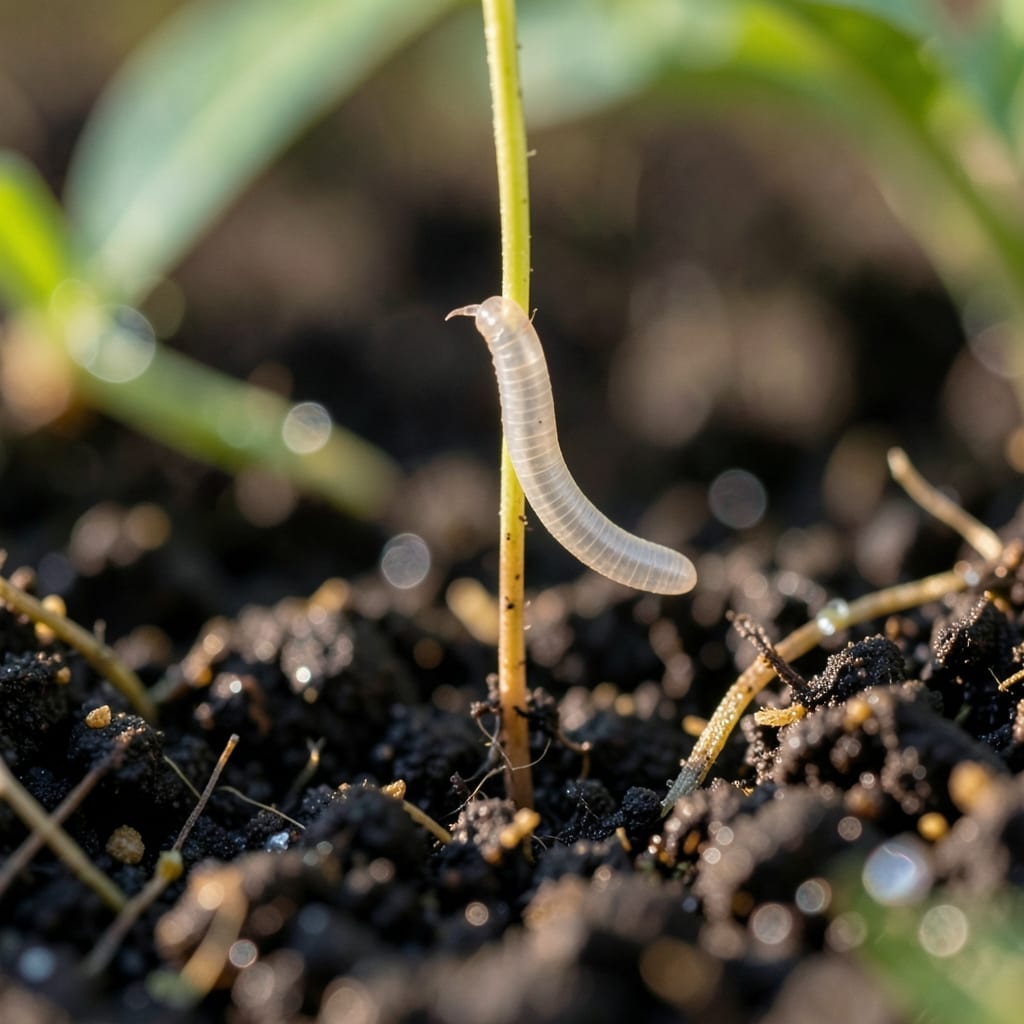
Tiny worms ruining your roots. Root nematodes are invisible pests that stunt plants, yellow leaves, and steal nutrients before you even notice the damage.
I’ve fought this battle with organic solutions that restore soil balance—no harsh chemicals. The fix is simpler than you think, and your garden can bounce back healthier than before.
📚 In This Guide
These proven methods will restore your soil health without harsh chemicals.
Begin by examining plant roots for telltale signs: galls, stunted growth, or yellowing foliage. I use a hand trowel to carefully lift a few plants and inspect the root systems. Healthy roots appear white and fibrous, while nematode-damaged roots often look swollen or discolored.
Test your soil with a nematode extraction kit to confirm the presence of harmful species. This step is crucial because beneficial nematodes also exist, and you don’t want to disrupt them. I’ve found that root-knot nematodes are the most common culprits in vegetable gardens.
Solarization is my go-to method for severe infestations. Water the soil deeply, then cover it with a clear plastic tarp for 4-6 weeks during the hottest part of summer. The heat generated under the tarp will reach temperatures of 110-125°F, effectively killing nematodes and their eggs.
Secure the edges of the tarp with bricks or soil to trap the heat. I check the soil temperature with a probe thermometer to ensure it stays in the lethal range. This method also helps control weeds and other soil-borne pathogens, giving your garden a fresh start.
Amend the soil with compost or well-rotted manure to boost microbial activity, which naturally suppresses nematode populations. I also add neem cake or castor bean meal, both of which release compounds that deter nematodes. Work these amendments into the top 6-8 inches of soil for maximum effectiveness.
Another effective amendment is chopped marigold plants, specifically the French marigold variety (Tagetes patula). These plants release alpha-terthienyl, a compound that repels nematodes. I plant them as a cover crop or till them into the soil before planting vegetables.
Apply beneficial nematodes, such as Steinernema feltiae or Heterorhabditis bacteriophora, to the soil. These microscopic allies hunt and kill harmful nematodes without damaging plants. I apply them in the early morning or late evening when the soil is moist and temperatures are cooler.
Mix the nematodes with water and spray them evenly over the affected area. Follow up with a light watering to help them move through the soil. Additionally, I use microbial inoculants like mycorrhizal fungi to strengthen plant roots and improve their resistance to nematode attacks.
Rotate susceptible crops with nematode-resistant varieties, such as sweet potatoes, corn, or grasses. This breaks the nematode life cycle and prevents reinfestation. I keep a garden journal to track which plants were grown where, ensuring I don’t repeat susceptible crops in the same spot.
Maintain soil health by avoiding overwatering and removing plant debris promptly. I also mulch with organic matter to encourage a thriving ecosystem of beneficial microbes. Healthy soil is the best defense against nematodes and other pests, ensuring your garden stays productive and vibrant.
Small details make a big difference with this organic approach to soil health.
Temperature Matters: During Step 2, ensure your solarization tarp maintains that critical 110-125°F range. I check mine daily with a probe thermometer, as cooler days might require extending the 4-6 week period. The heat needs to penetrate deep enough to reach nematodes at all soil levels.
Amendment Depth: In Step 3, work your compost, neem cake, or castor bean meal into the full 6-8 inches of soil, not just the surface. I learned this the hard way after seeing nematodes persist in deeper layers. A garden fork works better than a trowel for this depth.
Timing for Beneficial Nematodes: For Step 4, apply your Steinernema feltiae or Heterorhabditis bacteriophora when soil is moist but not waterlogged. I spray in early morning to give them the cooler temperatures they need to establish before the day heats up.
Crop Rotation Tracking: In Step 5, don’t just rotate crops—document it. I keep a simple garden journal noting where I planted sweet potatoes, corn, or grasses. This prevents accidental repetition of susceptible crops that would undo all your hard work.
Look for stunted growth, yellowing leaves, or wilting despite proper watering. Roots may appear swollen, knotted, or discolored. A soil test can confirm nematode presence.
Neem oil, marigold intercropping, or beneficial nematodes (like Steinernema feltiae) are effective. Compost tea or solarizing soil (heating it with plastic) can also reduce populations naturally.
Apply treatments before planting or early in the growing season. For existing infestations, act at the first signs of damage. Avoid treating during extreme heat or drought.
Yes, but treat it first. Solarize the soil for 4-6 weeks or amend with organic matter like compost. Rotate crops with nematode-resistant varieties (e.g., marigolds or grains) to break the cycle.
No! Organic methods like crop rotation, beneficial fungi (e.g., Trichoderma), or diatomaceous earth can work. Chemicals are a last resort for severe cases but may harm soil health long-term.