
Beautiful Plants For Your Interior
Beautiful Plants For Your Interior
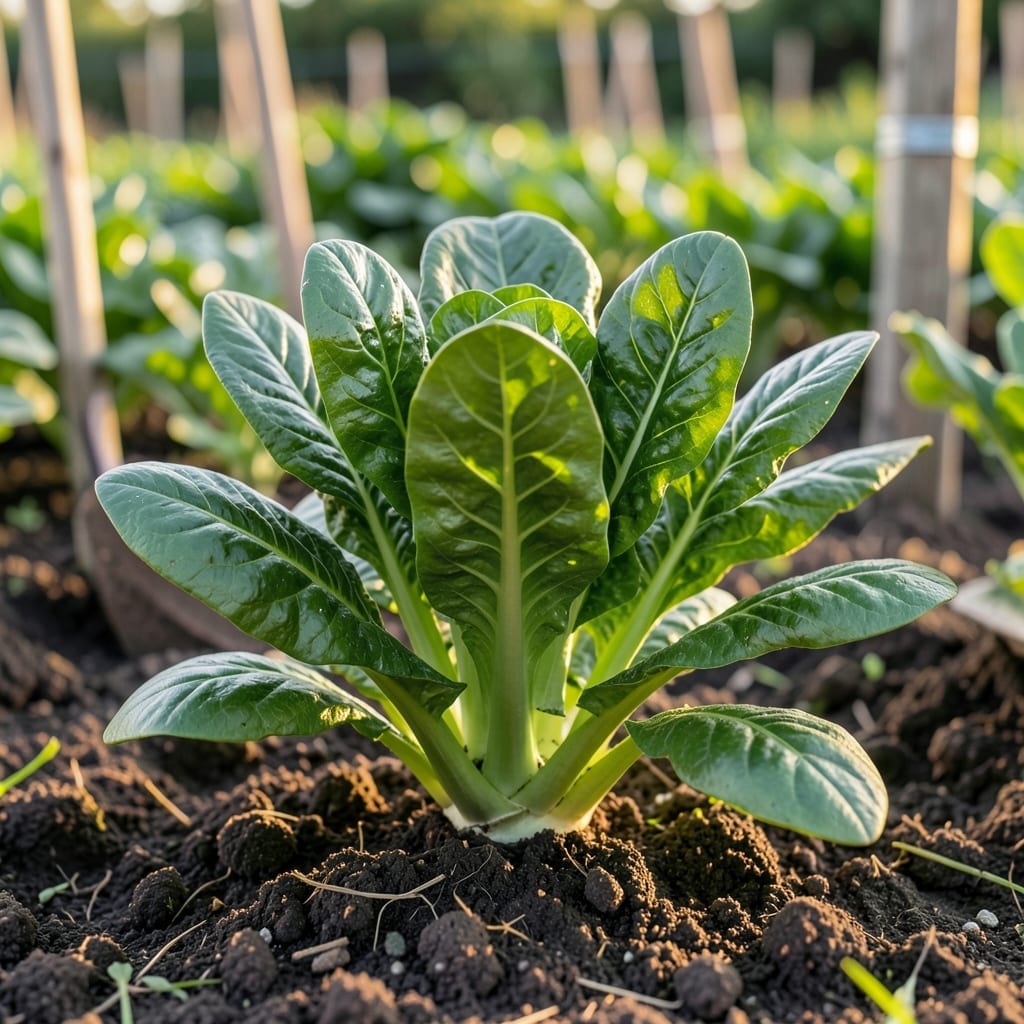
I still remember the first time I pulled a crisp romaine leaf from my garden. The difference from store-bought was shocking—thicker, sweeter, and alive with flavor.
This isn’t complicated gardening. You need cool weather, decent soil, and consistent moisture to grow leaves that’ll make you question why you ever bought bagged salad. 60 days is all it takes.
📚 In This Guide
This method delivers crisp, flavorful leaves with minimal effort and maximum reliability.
Choose a location with full sun to partial shade, as romaine tolerates less light than many other greens. Work the soil to a depth of 12-15 inches, breaking up clumps and removing rocks or debris. Romaine roots are shallow but spread wide, so loose soil is critical for proper development.
Amend the bed with 2-3 inches of compost worked into the top 6 inches of soil. This improves drainage while providing the steady nutrients lettuce needs. Avoid fresh manure—it’s too strong and can burn tender roots. The soil should feel crumbly and rich, not sticky or compacted.
Sow seeds ¼ to ½ inch deep in rows spaced 12-18 inches apart. I use a ruler to mark the depth the first few times—it’s easy to plant too deep, which delays germination. Cover lightly with soil and press down gently to ensure good seed-to-soil contact.
Thin seedlings to 8-10 inches apart once they develop 2-3 true leaves. Crowding causes weak stems and small heads. Water the bed before sowing so seeds don’t wash away, then mist lightly afterward to avoid displacing them.
Keep the soil evenly moist but not soggy—1 inch of water per week is ideal. Romaine has shallow roots, so frequent, light watering works better than occasional deep soaks. I check moisture by sticking my finger 1 inch into the soil; if it feels dry, it’s time to water.
Water at the base of the plants to avoid wetting the leaves, which can lead to fungal diseases. A drip irrigation system or soaker hose is perfect for this. Mulch around plants with 1-2 inches of straw to retain moisture and keep soil temperatures stable.
Romaine thrives in 60-70°F soil temperatures. If planting in early spring or fall, use row covers to warm the soil or protect from light frosts. In hot climates, provide afternoon shade to prevent bolting (when plants go to seed prematurely), which makes leaves bitter.
If leaves start to yellow or growth slows, it’s often a sign of heat stress. In this case, increase water slightly and ensure plants are shaded during the hottest part of the day. Romaine grows best with 6-8 hours of sunlight daily, but it can tolerate a bit less if needed.
Begin harvesting outer leaves when the plant is 6-8 inches tall, usually 60-70 days after sowing. Use clean scissors or your fingers to snap off leaves at the base, leaving the inner head intact. This encourages new growth and extends your harvest by several weeks.
For a full head harvest, wait until the plant forms a firm, elongated heart, typically 75-85 days after sowing. Cut the entire head just above the soil line with a sharp knife. Romaine is a cut-and-come-again crop, so you can often get a second, smaller harvest from the same plant if conditions remain favorable.
Small details make the difference between a struggling crop and a thriving harvest of crisp romaine.
Soil Preparation Insight: In Step 1, working the soil to that 12-15 inch depth isn’t just about removing rocks—it creates the loose, aerated environment romaine’s shallow but wide-spreading roots need to establish quickly. I’ve found that skipping this depth often results in stunted growth, even if the top few inches look fine.
Seeding Precision: For Step 2, that ¼ to ½ inch planting depth is critical. Planting deeper delays germination, while shallower seeds dry out too quickly. Use a ruler until it becomes second nature. Also, when thinning to 8-10 inches apart, don’t hesitate—crowded seedlings always produce weak, small heads.
Watering Wisdom: The 1 inch per week guideline in Step 3 is your baseline, but check that top inch of soil daily during hot spells. Romaine’s shallow roots can’t reach deeper moisture, so frequent light watering beats occasional deep soaks. And always water at the base—wet leaves invite disease.
Temperature Strategy: Step 4’s 60-70°F soil temperature range is ideal, but don’t panic if you’re slightly outside it. Row covers can add crucial warmth in spring, while afternoon shade prevents bolting in heat. Watch for yellowing leaves—they’re your first sign of heat stress.
Romaine lettuce typically matures in 70-85 days from seed. For baby leaf harvests, you can start picking outer leaves in about 30-40 days. Growth time varies with temperature, sunlight, and soil quality.
Brown or wilted leaves often signal disease (like bacterial leaf spot), pests, or environmental stress. Check for overwatering, poor drainage, or extreme heat. Remove affected leaves and improve air circulation.
Yes! Use a sunny windowsill or grow lights for 12-14 hours of light daily. Choose a shallow container with well-draining soil. Indoor temps between 60-70°F work best for crisp, healthy leaves.
Try heat-tolerant varieties like butterhead or oakleaf lettuce. Spinach, kale, or arugula also grow well in similar conditions and offer comparable texture for salads.