
Beautiful Plants For Your Interior
Beautiful Plants For Your Interior
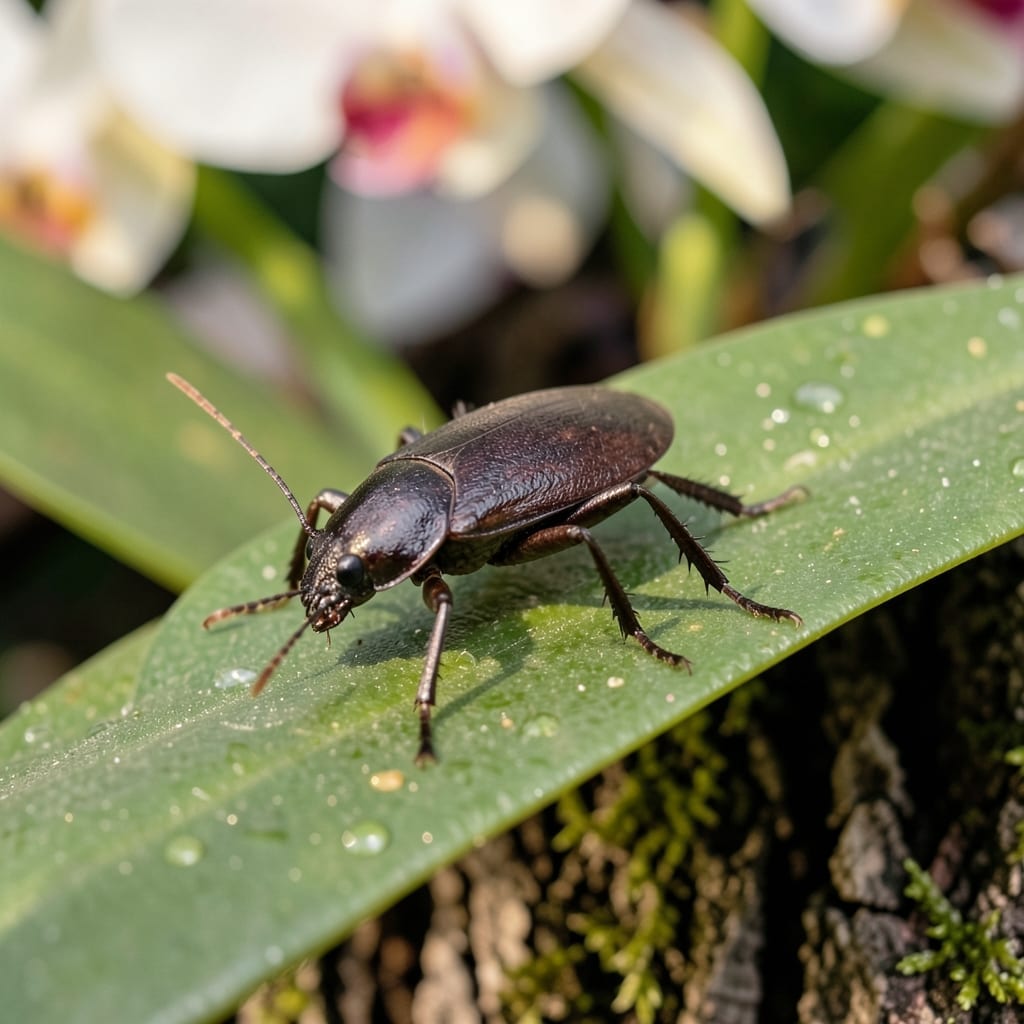
I found cockroaches nesting in my prize Phalaenopsis last summer. 🌿 They’re drawn to the moist bark mix and decaying leaves, turning what should be a blooming sanctuary into a pest zone.
Here’s the thing—roaches on orchids aren’t just gross. They chew roots, spread disease, and can stunt growth if left unchecked. I learned the hard way that early action saves your plant.
Natural removal works. A mix of neem oil, diatomaceous earth, and better airflow clears them out without harming your orchid. The key is consistency and cutting off their food sources.
Your orchids can bounce back stronger and healthier once the pests are gone. Let’s get them thriving again.
Orchids may attract roaches for several specific reasons, often tied to their growing conditions or care routines. Understanding these causes helps prevent infestations before they start.
Roaches thrive in damp environments, and orchid potting mixes—often containing bark, moss, or coconut husk—retain moisture. Overwatering or poor drainage creates a humid, decaying habitat that mimics their natural breeding grounds. Phalaenopsis and Dendrobium orchids, commonly grown in moisture-retaining media, are especially vulnerable.
Decaying leaves, fallen petals, or uneaten fertilizer residue provide a food source for roaches. Orchids shed old blooms and foliage naturally, but if these aren’t removed, they decompose and release odors that attract pests. German and American cockroaches, in particular, are drawn to organic matter rich in starches and sugars.
Orchids often grow in shaded, warm areas (like greenhouses or indoor growing tents), which double as ideal roach shelters. Pots with loose bark or air gaps offer hiding spaces, while heat from grow lights or humidity trays accelerates their reproduction cycle.
Using stagnant water (e.g., from saucers) or organic fertilizers (like fish emulsion) can introduce roach eggs or attract adults. Cockroaches detect amino acids and proteins in fertilizers, mistaking them for food. Always use fresh, filtered water and store fertilizers in sealed containers.
Dealing with roaches on your orchids can be frustrating, but these practical solutions will help you reclaim your plants and keep pests at bay.
Start by inspecting your orchid thoroughly, especially the undersides of leaves, pots, and soil. Use a pair of tweezers or gloves to pick off visible roaches and drop them into a bucket of soapy water. For a deeper clean, gently shake the plant over a white sheet to dislodge hidden pests.
Roaches thrive in clutter and decay. Wipe down leaves with a damp cloth and neem oil solution to remove eggs and residue. Move the orchid away from other plants to prevent contamination. Check nearby areas, like windowsills or storage spaces, for roach activity.
Apply diatomaceous earth (food-grade) around the base of the pot—it dehydrates roaches on contact. Spritz a mix of water, dish soap, and peppermint oil on the plant (test on a small area first) to deter pests. Refresh these treatments every 5–7 days.
Consistency is key—repeat treatments until roaches are gone, and maintain good orchid hygiene to keep them from returning.
Look for small, dark droppings on leaves or in the potting mix. You may also spot shed skins or egg cases tucked under bark. Check at night with a flashlight—roaches are most active then.
Yes, if left unchecked. They chew roots and leaves, weakening the plant. Over time, this can stunt growth or even kill the orchid. Early action prevents long-term damage.
Most chemical pesticides are too harsh for delicate orchids. Stick to natural solutions like neem oil or diatomaceous earth. Always test a small area first to avoid leaf burn.
Check your plants weekly, especially if kept outdoors or in humid areas. Regular inspections catch problems before they escalate.