
Beautiful Plants For Your Interior
Beautiful Plants For Your Interior
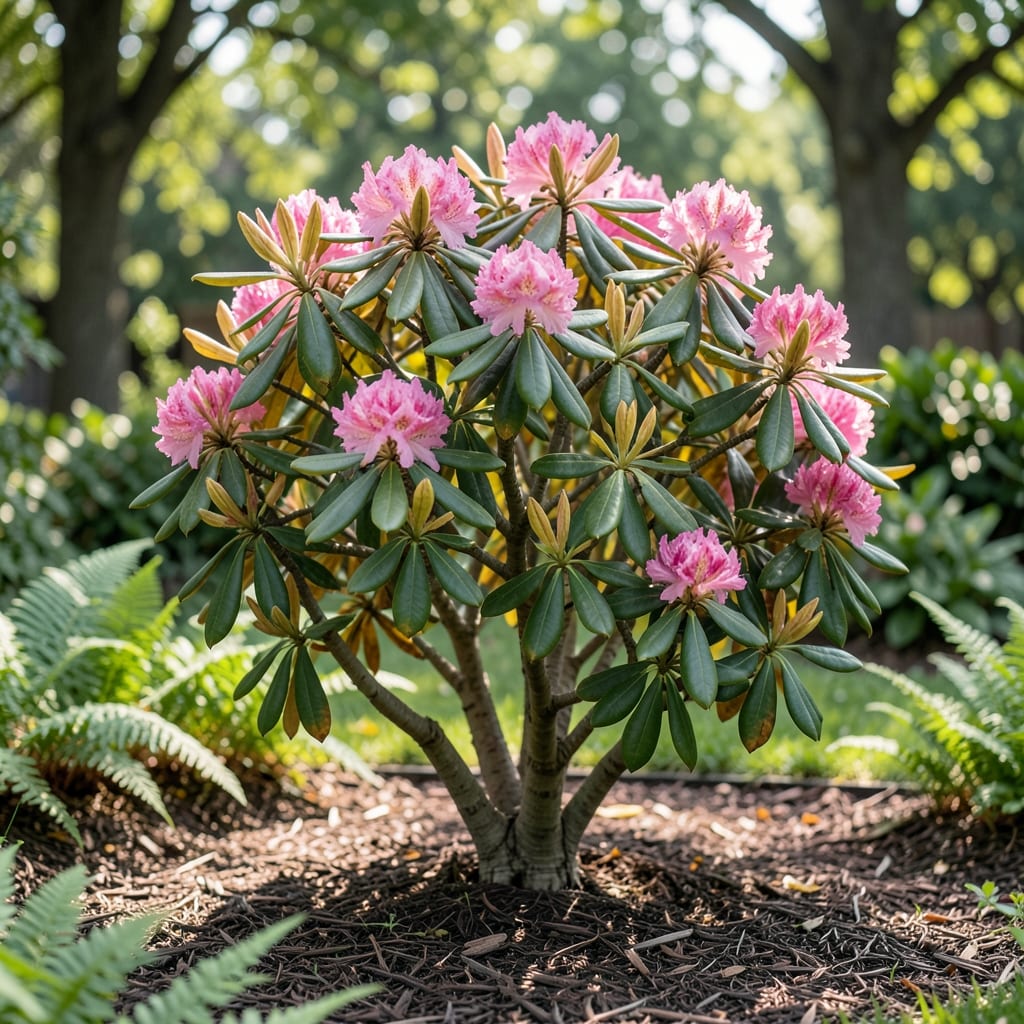
Yellow leaves on your rhododendron aren’t just unsightly—they’re a cry for help. I’ve seen this happen midseason when the plant’s needs aren’t met, and the fix is usually simpler than you’d think.
Most cases come down to water stress, either too much or too little. But I’ll be real with you: soil pH is often the sneaky culprit. Rhododendrons demand acidic conditions, and when the balance is off, their leaves turn pale yellow with green veins.
You’ll start seeing recovery within 2-3 weeks of correcting the issue. The key is matching the solution to the symptom—whether it’s adjusting water, amending soil, or treating for pests.
Works for potted plants, garden beds, or inherited landscapes. Let’s get to the root of it.
Yellowing leaves on your rhododendron are a distress signal. Here’s why it happens:
Rhododendrons are acid-loving plants, and a lack of key nutrients often triggers chlorosis (yellowing). The most common culprit is iron deficiency, which occurs when soil pH rises above 5.5, locking out iron uptake. Magnesium or nitrogen shortages can also cause uniform yellowing, often starting in older leaves. Test soil pH (aim for 4.5–5.5) and amend with sulfur or chelated iron if needed.
Soggy roots suffocate, preventing nutrient absorption. Rhododendrons need moist but well-drained soil. Yellowing paired with wilting or blackened stems signals root rot (Phytophthora or Pythium fungi). Check drainage: if water pools for hours, amend soil with organic matter or raise beds. Reduce watering frequency and avoid overhead irrigation to prevent fungal spread.
Too much sun or extreme temperatures can scorch leaves, turning them yellow or brown. Rhododendrons thrive in partial shade (4–6 hours of dappled light). Sudden temperature swings or frost damage also disrupt chlorophyll production. Relocate potted plants or use shade cloth during heatwaves. Mulch heavily (2–3 inches) to insulate roots.
Sap-sucking pests like lace bugs or spider mites drain nutrients, causing stippled yellowing. Fungal diseases (e.g., leaf gall) create yellow spots or distorted growth. Inspect leaf undersides for pests or webbing. Spray with neem oil or insecticidal soap for pests; remove and destroy infected leaves to halt fungal spread.
Once you’ve identified why your rhododendron leaves are turning yellow, these targeted fixes can nurse your plant back to health. Address the root cause first, then follow up with prevention to keep the vibrancy alive. 🌿
If your rhododendron is overwatered, let the soil dry slightly between waterings. Improve drainage by mixing in compost or pine bark fines. For underwatered plants, water deeply once a week, ensuring the root zone is thoroughly moistened. Prevention tip: Stick your finger 2 inches into the soil—if it’s dry, it’s time to water. 💡
Rhododendrons thrive in acidic soil (pH 4.5–6.0). Test your soil with a kit, and if it’s alkaline, amend it with elemental sulfur or aluminum sulfate. For a quick fix, water with diluted vinegar (1 tbsp per gallon) occasionally. Prevention tip: Apply a 2–3 inch layer of pine needle mulch annually to maintain acidity. ✨
Yellow leaves with green veins often signal iron or magnesium deficiency. Use a fertilizer formulated for acid-loving plants, or apply chelated iron directly to the soil. For nitrogen deficiency (uniform yellowing), a balanced, slow-release fertilizer works best. Prevention tip: Fertilize in early spring and again after blooming to sustain nutrient levels. 🎯
For pests like lace bugs or spider mites, spray the plant with neem oil or insecticidal soap, focusing on the undersides of leaves. If fungal diseases (e.g., root rot) are the culprit, remove affected areas and treat with a fungicide. Prevention tip: Ensure good air circulation and avoid overhead watering to deter future issues. 🌡️
If your rhododendron is in too much sun, provide afternoon shade or relocate it. For cold damage, shield it with burlap in winter. Prevention tip: Plant in a spot with dappled sunlight and consistent temperatures to minimize stress. 🌱
Use a home soil test kit from any garden center for quick results. For accuracy, send a sample to your local extension office. Aim for a pH between 4.5–6.0 for optimal health.
Severely damaged leaves won’t recover, but new growth will be healthy once the issue is fixed. Expect to see improvement in 2-3 weeks after correcting the problem.
Water deeply once a week during dry spells, ensuring the root zone is moist but not soggy. Always check soil moisture 2 inches down before watering.
Use a slow-release, acid-forming fertilizer labeled for azaleas and rhododendrons. Apply in early spring and again after flowering for best results.