
Beautiful Plants For Your Interior
Beautiful Plants For Your Interior
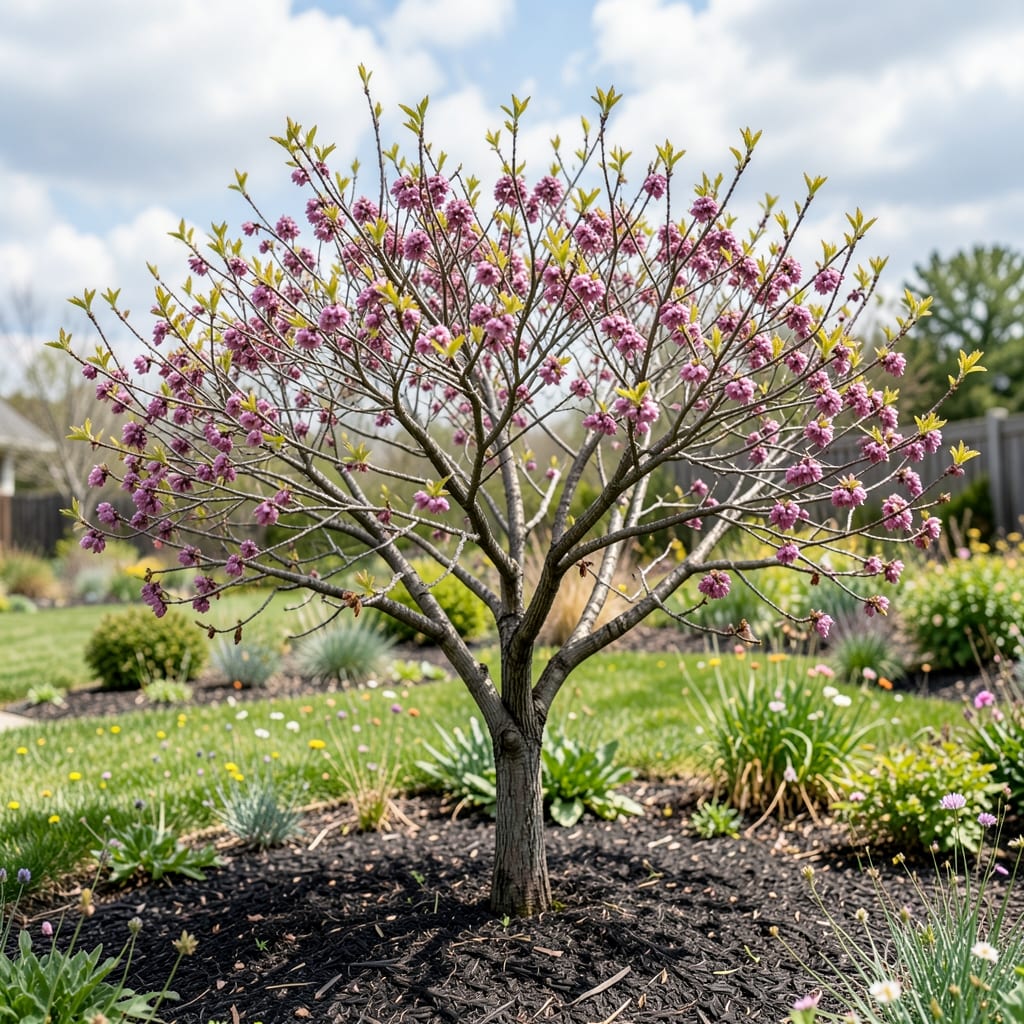
That moment when your redbud’s leaves suddenly wilt on one branch is heartbreaking. I lost two trees before learning verticillium wilt‘s sneaky early signs. It starts small—a single limb with yellowing, curled leaves that never recover.
This soil-born fungus chokes the tree’s water supply from the inside out. The wilting spreads slowly, often on one side first, while the rest looks fine. By the time you notice the brown streaks in the sapwood, it’s already too late for that branch.
Early action saves the rest of the tree. Remove affected limbs immediately, sterilize your tools, and avoid planting susceptible species in the same spot. The fungus lingers in soil for years, waiting for its next host.
Prevention is your best defense. Keep trees healthy with proper watering and avoid wounding the bark. Some redbud varieties show resistance, giving you a fighting chance against this silent killer.
Verticillium wilt in redbud trees doesn’t strike at random—it exploits specific weaknesses in the tree and its environment. Below are the primary causes, each backed by science and actionable insights to help you protect your redbuds.
The culprit, Verticillium dahliae or V. albo-atrum, thrives in soil as dormant microsclerotia for years. These fungi enter the tree through wounded roots or natural rootlet growth, colonizing the xylem (water-conducting tissues). Contaminated soil—often from previous susceptible plants like tomatoes, potatoes, or maple—is a major source of infection. Action: Test soil before planting and avoid replanting redbuds in infested areas.
Drought or waterlogged conditions weaken the tree’s defenses, making it more susceptible to fungal invasion. Overwatering creates anaerobic soil, reducing root vigor, while drought stresses the tree, limiting its ability to compartmentalize the pathogen. Action: Maintain consistent moisture with well-draining soil and mulch to moderate extremes.
Open wounds from pruning, construction, or mechanical damage provide direct entry points for Verticillium. Even small root injuries from digging or compacted soil can invite infection. Action: Sterilize pruning tools with 10% bleach solution, and avoid pruning during wet seasons when fungi are most active.
The fungus proliferates in cool to moderate temperatures (60–75°F) and becomes aggressive during spring and fall. Stress from sudden temperature swings (e.g., late frosts) can also compromise the tree’s resilience. Action: Monitor weather forecasts and provide protective measures like frost cloths for young trees during erratic temperature changes.
Verticillium wilt can be tough, but with the right steps, you can save your redbud. Here’s how to tackle each cause and prevent future outbreaks.
If the soil harbors the fungus, remove infected dirt around the tree’s base (at least 12 inches deep and wide). Replace it with fresh, sterile potting mix or solarized soil. Sterilize tools with a 10% bleach solution after use to avoid spreading spores.
Strengthen your redbud with proper care:
At the first sign of wilting, prune infected branches 6–8 inches below visible damage using clean, sharp shears. Disinfect tools between cuts with rubbing alcohol. Burn or trash (do not compost!) pruned material to prevent reinfection.
💡 Pro Tip: Prune in dry weather—fungi spread less in sunny, breezy conditions.
Stop verticillium before it starts:
Look for sudden wilting on one branch, often with yellowing or curling leaves. The wilt spreads slowly, usually on one side first. Brown streaks in the sapwood confirm it.
Yes, if done early. Remove infected limbs 6-8 inches below visible damage and sterilize tools between cuts. Act fast to prevent spread.
Avoid it. The fungus lingers in soil for years. Test soil first or choose resistant varieties like ‘Forest Pansy’ if replanting.
Maintain tree health with proper watering and avoid root injuries. Use mulch and never overhead water. Prevention is easier than treatment.