
Beautiful Plants For Your Interior
Beautiful Plants For Your Interior
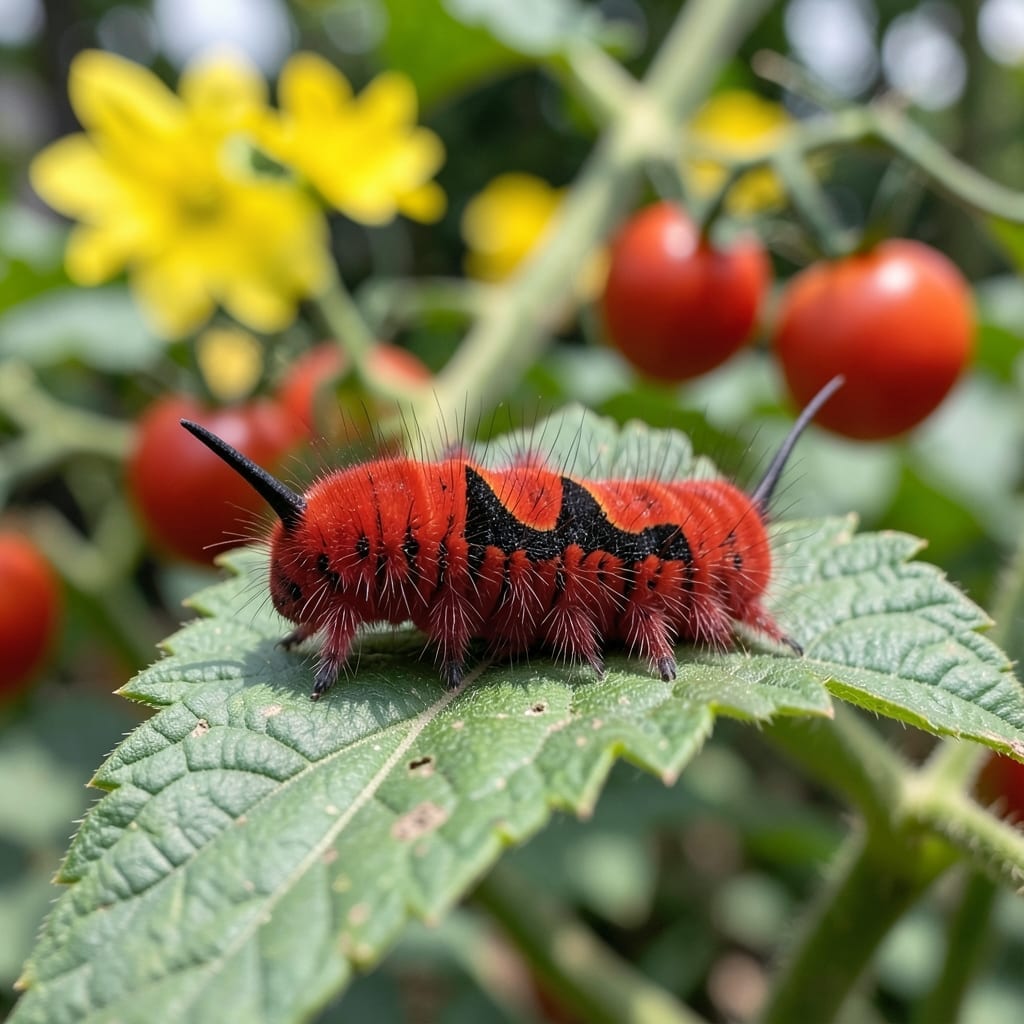
These striped caterpillars can strip a tomato plant overnight. I first spotted them munching on my cherry tomatoes last July, and the damage escalated faster than I expected.
The red tomato worm isn’t just hungry—it’s relentless. Left unchecked, it’ll skeletonize leaves and move to fruit, leaving your plants stressed and your harvest at risk.
Removal is immediate: handpick and drop in soapy water. Prevention means checking plants daily and introducing natural predators like parasitic wasps.
With consistent action, you’ll protect your crop without harsh chemicals. The key is staying ahead of their life cycle.
The presence of red tomato worms (also known as tomato hornworms) in your garden is rarely random. These pests thrive under specific conditions, often tied to environmental factors, plant health, or gardening practices. Below are the primary causes behind their infestation, explained scientifically for clarity and actionability.
Tomato hornworms are specialist feeders, targeting plants in the Solanaceae family, such as tomatoes, peppers, and eggplants. An abundance of these host plants—especially when left unchecked—creates an ideal breeding ground. Female moths lay eggs directly on the foliage, and larvae emerge to feed voraciously. Action: Rotate crops annually and remove volunteer plants to disrupt their life cycle.
These worms flourish in temperatures between 75–85°F (24–29°C) with high humidity, which accelerates their metabolic rate and reproduction. Regions with long, warm growing seasons (like the southern U.S.) often see multiple generations per year. Action: Use row covers early in the season to block adult moths from laying eggs.
In balanced ecosystems, parasitic wasps (e.g., Cotesia congregata) and birds (like robins) keep hornworm populations in check. However, pesticide overuse or habitat loss can eliminate these predators. Action: Plant companion flowers (e.g., marigolds, dill) to attract beneficial insects and avoid broad-spectrum pesticides.
Leftover plant debris, fallen fruit, or unharvested crops provide shelter for pupating worms to overwinter in the soil. Come spring, they emerge as adult moths to restart the cycle. Action: Clear garden debris in fall and till the soil to expose and disrupt pupae.
Dealing with tomato hornworms (often called red tomato worms) can feel overwhelming, but these targeted solutions will help you reclaim your garden. Below are clear, actionable steps to eliminate the pests and keep them from returning.
Inspect your tomato plants daily, especially under leaves and near fruit. If you spot the large, green caterpillars (sometimes with red markings), pluck them off by hand and drop them into a bucket of soapy water. Wear gloves if their size or appearance makes you uncomfortable. Pro tip 💡: Check during early morning or late evening when they’re most active.
Encourage beneficial insects like parasitic wasps, lacewings, and ladybugs. These predators lay eggs on the hornworms, killing them naturally. Plant companion flowers such as dill, marigolds, or cosmos to attract these allies. Avoid broad-spectrum pesticides, which can harm these helpful insects.
Apply neem oil or Bacillus thuringiensis (Bt) spray to young caterpillars. Bt is a bacteria that disrupts their digestive systems, while neem oil acts as a repellent and growth inhibitor. Spray in the early morning or late afternoon for best results, and reapply after rain.
Pro tip ✨: Interplant tomatoes with basil—its strong scent can deter hornworm moths from laying eggs nearby.
Look for dark green or brown caterpillars with white diagonal stripes and a red horn. Check under leaves and near fruit daily, as they blend in well. Early morning or late evening is the best time to find them.
No, they’re completely harmless to people. While they may look intimidating, they don’t bite or sting. Focus on removing them to protect your plants instead.
It’s not recommended. Chemical pesticides can harm beneficial insects and disrupt your garden’s ecosystem. Stick to organic methods like handpicking or Bt spray for safer, effective control.
They often emerge from eggs laid by moths attracted to healthy tomato plants. Warm, humid weather speeds up their growth, making infestations seem to appear overnight.