
Beautiful Plants For Your Interior
Beautiful Plants For Your Interior
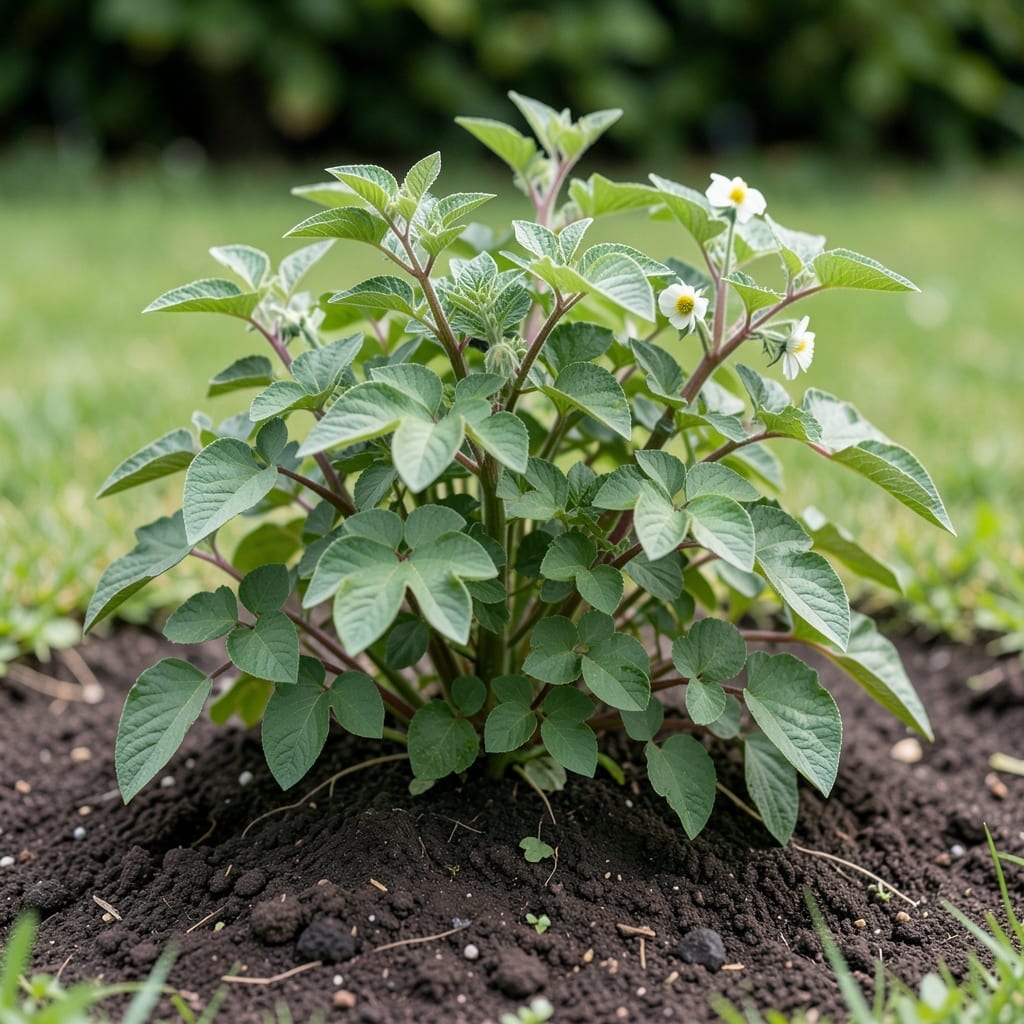
Those red potato leaves had me worried the first time I saw them. Turns out, it’s often just phosphorus deficiency or environmental stress doing the talking.
I’ve fixed the issue with a soil test and adjusted watering. Simple tweaks bring leaves back to their healthy green in 1-2 weeks. No panic needed.
📚 In This Guide
Here’s how to work with these plants while keeping yourself and your garden safe.
Always identify the green leafy growth and any visible berries on red potato plants as potentially harmful. These parts contain solanine and chaconine, toxic glycoalkaloids that can cause severe gastrointestinal distress or worse if ingested.
I examine plants regularly for signs of stress, which can increase toxin levels. Wilting, yellowing, or damaged foliage often signals higher concentration of harmful compounds. Never taste test any part of the plant—even small amounts can be dangerous.
Real talk: many gardeners assume all plant parts are safe since we eat the tubers. This assumption has sent more than a few people to the emergency room.
Before handling potato plants, I put on long sleeves, gardening gloves, and safety glasses. The sap from cut stems can irritate skin and eyes, especially with repeated exposure.
Use clean, sharp pruners to remove foliage, and avoid touching your face or other plants until you’ve washed your hands. I keep a spray bottle of water nearby to rinse any sap that might flick onto my skin during cutting.
This is the moment that matters: never compost the removed foliage or berries. The toxins persist through decomposition and can contaminate your compost pile.
Collect all pruned material in a sturdy trash bag, not your compost bin. I double-bag particularly leafy material to prevent any accidental exposure. Seal the bags completely before adding them to your household trash.
If you’re removing entire plants, dig up the tubers first if they’re mature, then dispose of the foliage separately. Never leave uprooted plants with foliage attached in your garden—they can still be hazardous to pets or wildlife.
Here’s the thing—animals are often more sensitive to these toxins than humans. I’ve seen chickens become ill from pecking at potato plant debris left in the garden.
Make sure everyone in your household understands which plants are off-limits. I post a simple sign near my potato patch that reads “Do Not Eat—Toxic Leaves” with a picture of the plant for easy identification.
For families with small children, consider fencing off your potato plants or using raised beds that are less accessible. I’ve found that a 3-foot tall barrier works well to deter both kids and curious pets.
Teach children to never put any plant parts in their mouths unless an adult has explicitly confirmed it’s safe. This basic rule prevents most accidental poisonings in the garden.
Potato plants often regrow from tubers left in the soil. I scan my garden weekly for any volunteer potato plants that might sprout from missed tubers during harvest.
Remove these volunteers immediately, wearing gloves and disposing of them as described in Step 3. Even small plants contain the same toxins as mature ones, and they can quickly spread if left unchecked.
Don’t skip this (I learned the hard way) when rotating crops. Potato plants can emerge in unexpected places years after the original planting, especially in areas where tubers were accidentally left behind.
These practical insights will help you handle potato plants with confidence and care.
Toxin Awareness: In Step 1, recognizing green foliage and berries as toxic is non-negotiable. Solanine and chaconine levels spike in stressed plants, so regular inspection for wilting or yellowing is crucial. I’ve seen gardeners make the dangerous assumption that all parts are edible—this simply isn’t true.
Protection Priority: Step 2 emphasizes protective gear for good reason. The sap from cut stems can cause skin and eye irritation, and repeated exposure compounds the risk. Keep a spray bottle of water nearby to rinse any accidental contact immediately.
Disposal Discipline: Step 3’s double-bagging method isn’t just a suggestion—it’s a safety imperative. The toxins in foliage and berries don’t break down in compost, so household trash is the only safe disposal route. Never leave pruned material lying around, as animals are far more vulnerable to these compounds.
Education Essentials: Step 4’s advice about household education can’t be overstated. A simple sign with a plant picture near your patch serves as a constant reminder. For homes with kids or pets, that 3-foot barrier mentioned in the instructions is a game-changer for preventing accidental exposure.
Yes, red potato leaves contain solanine and chaconine, toxic glycoalkaloids that can cause nausea or vomiting if ingested. Always avoid eating them and wear gloves when handling.
It’s best to avoid composting them, as the toxins may persist. Instead, dispose of them in the trash or burn them to prevent accidental ingestion by pets or wildlife.
Contact your vet immediately. Symptoms like vomiting, diarrhea, or lethargy may appear. Early intervention is key to preventing serious health issues.
Yellowing leaves may indicate overwatering, nutrient deficiency, or disease. Check soil moisture, fertilize if needed, and inspect for pests or fungal infections.