
Beautiful Plants For Your Interior
Beautiful Plants For Your Interior
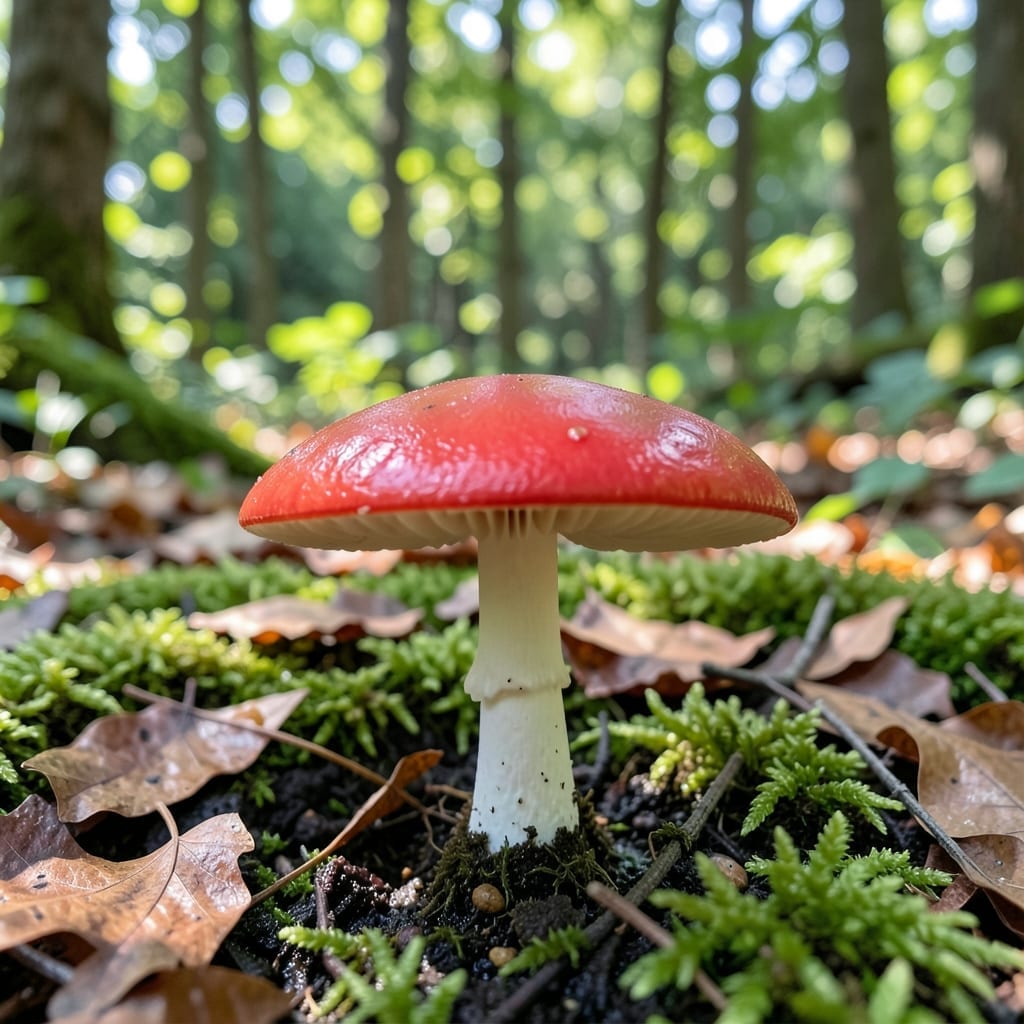
That red fusty growth on your plants isn’t just ugly—it’s spreading. I first noticed the orange-red pustules on my roses last summer and nearly lost the whole bed before figuring out what worked.
This isn’t your typical fungus. It thrives in warm, wet conditions and can jump from leaves to stems in 48 hours. The good news? It’s treatable without harsh chemicals if you catch it early.
My organic approach combines copper sprays with cultural fixes that stop it from coming back. Results show within 7-10 days of the first treatment, with plants looking healthier than before.
Works for flowers, vegetables, and even houseplants. Here’s the exact method that saved my garden.
The emergence of red fungus on mushrooms or in growing environments is typically tied to specific environmental and biological triggers. Below are the primary causes, explained with actionable insights to help prevent or address them.
Red fungus thrives in damp, stagnant conditions. When humidity levels exceed 80% and airflow is restricted, spores can germinate rapidly on organic surfaces, including mushroom substrates. Solution: Use dehumidifiers or increase ventilation to maintain humidity below 70% and ensure consistent air circulation.
Spores from red fungus can hitchhike on unsterilized growing mediums, tools, or even hands. If the substrate (e.g., straw, wood chips) isn’t properly pasteurized or tools aren’t sanitized, contamination spreads quickly. Solution: Sterilize substrates at 160–180°F (71–82°C) for 1–2 hours and disinfect tools with 70% isopropyl alcohol.
Excess moisture from overwatering or inadequate drainage creates a breeding ground for fungal growth. Mushrooms and their substrates should be moist but not soggy. Solution: Water only when the top layer of substrate feels dry, and ensure containers have drainage holes.
Red fungus often proliferates in low-light conditions, as UV light can inhibit spore germination. Growing areas with insufficient natural or artificial light are more susceptible. Solution: Introduce UV-C light (for 10–15 minutes daily) or ensure indirect sunlight exposure to suppress fungal development.
Dealing with a red fungus mushroom infestation in your garden or crops? Here’s how to tackle it effectively with practical, organic solutions.
If the fungus is spreading in your soil, dig out the affected areas immediately. Replace with fresh, sterile soil to prevent reinfection. Tip: 💡 Solarize the soil by covering it with clear plastic for 4-6 weeks to kill lingering spores.
For plants showing signs of red fungus, prune infected leaves or stems with sterilized shears. If the infection is severe, remove the entire plant to protect others. Prevention: ✨ Space plants properly to improve airflow and reduce humidity.
Fungus thrives in damp conditions. Fix drainage issues by adding organic matter like compost or sand. Avoid overwatering, and use drip irrigation to keep foliage dry. Tip: 🌡️ Water early in the day so surfaces dry quickly.
Apply organic treatments like neem oil, baking soda spray (1 tsp baking soda + 1 quart water + a few drops of soap), or copper-based fungicides. Reapply after rain. Prevention: 🎯 Rotate crops yearly to disrupt fungal cycles.
Consistency is key—monitor regularly and act at the first sign of red fungus to keep your garden healthy!
Look for bright orange-red pustules or fuzzy growth on leaves, stems, or soil. It often starts as small spots that spread quickly in warm, wet conditions.
Yes, spores travel easily through air, water, or contaminated tools. Isolate affected plants immediately and sterilize your tools with 70% isopropyl alcohol after use.
Only after thorough treatment. Solarize soil for 4-6 weeks under clear plastic or replace it entirely to prevent reinfection.
A baking soda spray (mix 1 tsp baking soda + 1 quart water) works in 24-48 hours for mild cases. For severe infections, use copper-based fungicides.