
Beautiful Plants For Your Interior
Beautiful Plants For Your Interior
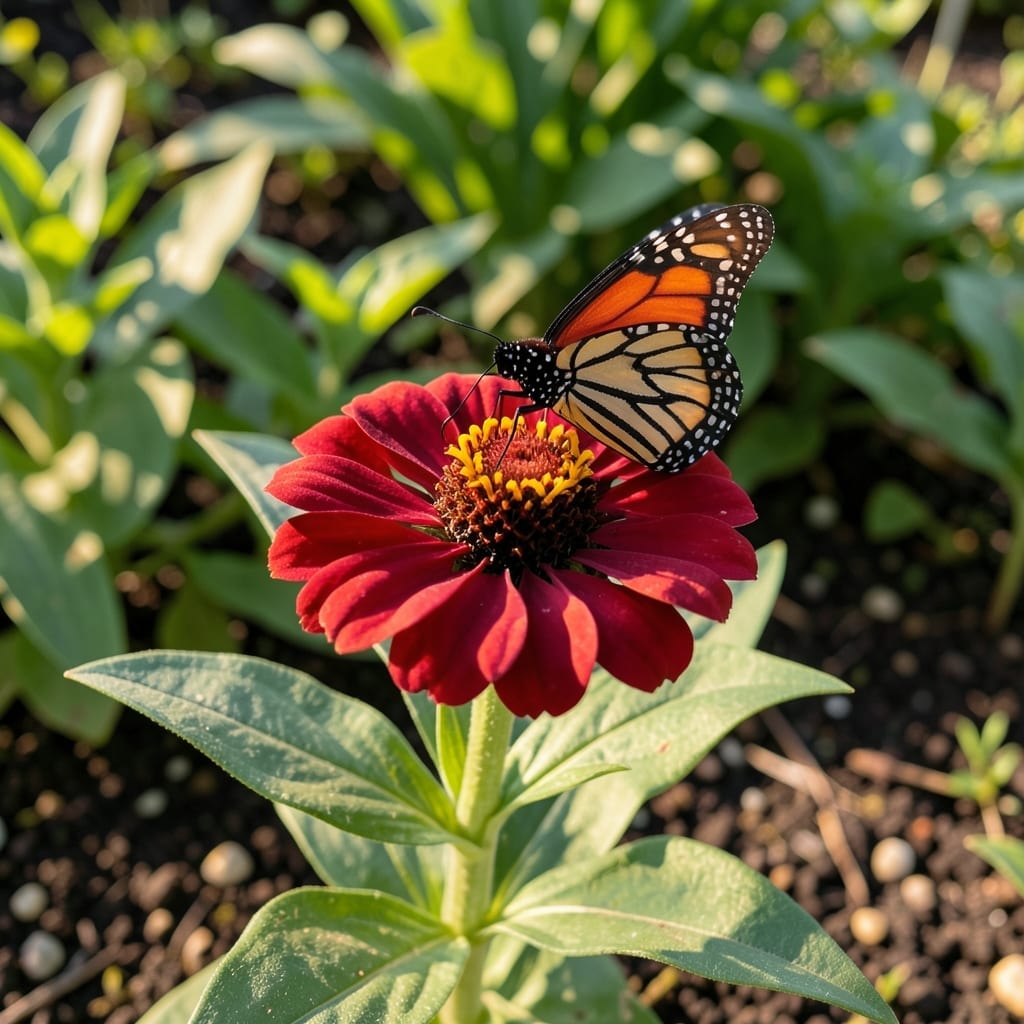
My garden transformed the day I planted that first red zinnia. Butterflies appeared within hours, drawn by the vibrant color and sweet nectar.
Now I design every bed with these winged visitors in mind. Red flowers like bee balm and salvia act as beacons, while flat stones give butterflies a place to sun themselves.
Companion planting makes it even better—purple coneflowers next to red blooms create a color combination butterflies can’t resist.
You’ll see more fluttering activity in 2-3 weeks with the right layout. The key is grouping flowers in clusters rather than single plants.
The vibrant dance between red flowers and butterflies isn’t random—it’s a finely tuned biological partnership. Here’s why this mesmerizing interaction happens, grounded in science:
Butterflies are trichromatic, meaning they see a spectrum of colors, including ultraviolet (UV) patterns invisible to humans. Red flowers often emit strong UV signals, acting like neon signs that scream, “Nectar here!” Studies show butterflies are particularly drawn to red, orange, and purple hues, which stand out against green foliage, guiding them to food sources.
Red flowers frequently produce high-sugar nectar, a primary energy source for butterflies. Their long, tubular shapes (common in red blooms like salvia or bee balm) are perfectly adapted for butterfly proboscises, ensuring efficient feeding. The more abundant and accessible the nectar, the more butterflies will visit—and return.
While color grabs attention, fragrance seals the deal. Many red flowers release sweet, fruity, or even spicy scents detectable by butterflies’ sensitive antennae. These odors act as chemical cues, signaling the presence of nectar from a distance, even before the butterfly lands.
This relationship is a product of co-evolution: over millennia, flowers developed traits (like bright red petals and nectar-rich structures) to attract pollinators, while butterflies evolved to exploit these resources. The result? A mutually beneficial cycle where flowers get pollinated, and butterflies get sustenance.
If your red flower with butterfly garden isn’t thriving, these targeted fixes will help restore its beauty and pollinator appeal.
If blooms droop, they may be thirsty or waterlogged. Check soil moisture 2 inches deep—water only if dry. Use a drip irrigation system for consistent hydration without overdoing it. Mulch around plants to retain moisture.
Prevention tip: 💡 Water early in the morning to reduce evaporation and fungal risks.
Butterflies avoid gardens lacking their preferred food. Add native red flowers like bee balm, cardinal flower, or milkweed to attract them. Group same-species plants together for easier pollinator navigation.
Prevention tip: 🌡️ Avoid pesticides—even organic ones can harm caterpillars and butterflies.
Yellow leaves often signal nutrient deficiencies. Test your soil and amend with compost or a balanced fertilizer. Red flowers like slightly acidic to neutral soil (pH 6.0–7.0).
Prevention tip: ✨ Rotate plant locations yearly to prevent soil depletion.
Aphids and spider mites love tender blooms. Spray them off with water or apply neem oil weekly. Introduce ladybugs or lacewings as natural predators.
Prevention tip: 🎯 Inspect plants regularly for early signs of infestation.
With these adjustments, your garden will bloom vibrantly and buzz with butterfly activity again!
Top choices include bee balm, cardinal flower, and zinnias. These produce abundant nectar and vibrant blooms that butterflies can’t resist. Plant in clusters for maximum visibility.
Butterflies see UV patterns in red blooms, which act like neon signs. The color contrasts sharply with green foliage, making nectar sources easy to spot from a distance.
Add flat stones for sunning, avoid pesticides, and include shallow water sources. Group same-species flowers together for easier navigation.
Early spring planting ensures blooms by summer, when butterfly activity peaks. In warmer climates, fall planting can extend the season.