
Beautiful Plants For Your Interior
Beautiful Plants For Your Interior
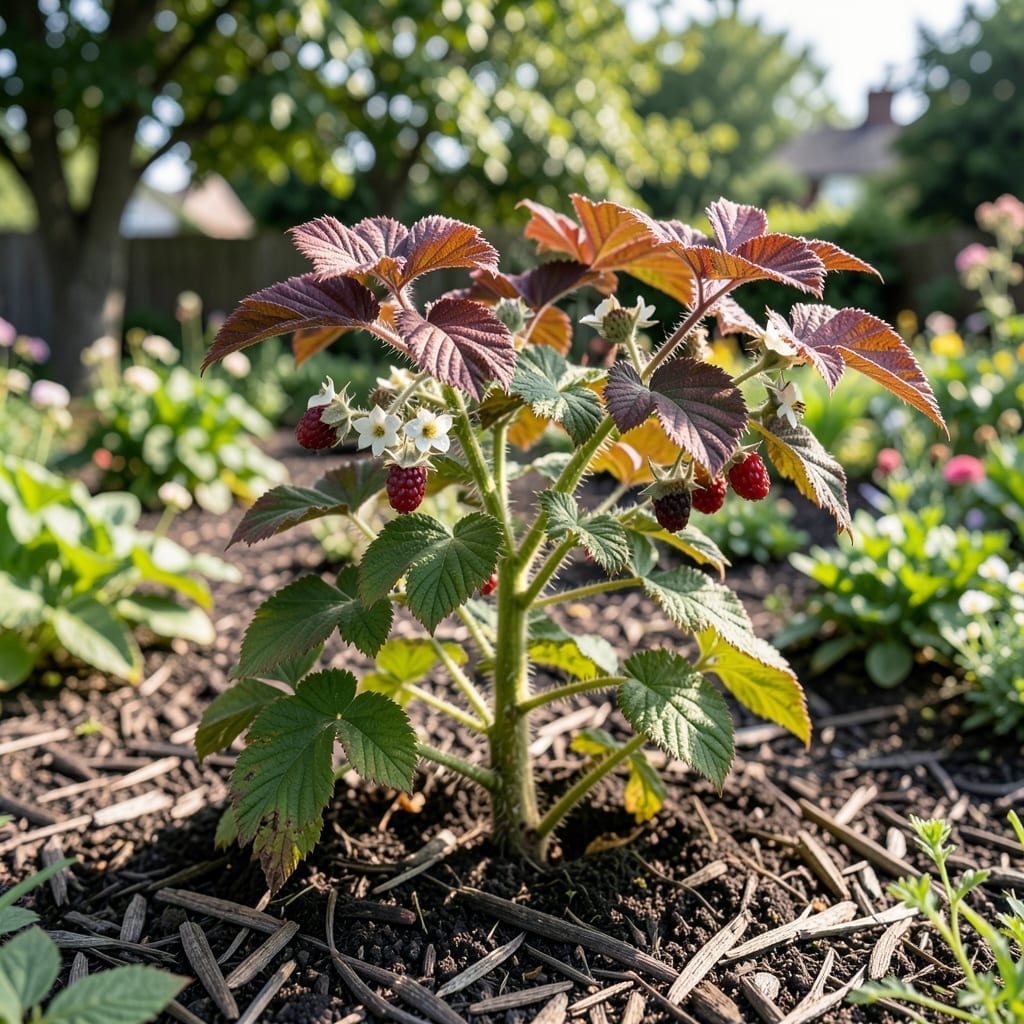
Red leaves on blackberry plants always catch my eye—it’s rarely a good sign. I’ve learned these color changes often point to phosphorus deficiency, pest damage, or environmental stress before the problem becomes serious.
Diagnosing starts with checking the pattern: uniform reddening usually means nutrients, while spotted or mottled red suggests pests or disease. The location matters too—older leaves often show deficiency first.
Solutions range from soil testing to pest control, but the key is acting fast. Left unchecked, red leaves can spread, weakening the plant and reducing your harvest.
This guide will help you identify the cause and fix it before it’s too late.
Reddening of blackberry leaves is often a sign of stress or disease. Below are the most common causes, explained in clear, actionable terms.
Extreme temperatures, especially cold snaps or heatwaves, can trigger a red or purplish tint in blackberry leaves. This happens because the plant’s chlorophyll (the green pigment) breaks down under stress, revealing underlying anthocyanins—pigments that turn red or purple. Action: Shield plants with row covers during cold spells or provide afternoon shade in scorching weather.
A lack of phosphorus or magnesium often leads to reddish leaves, particularly in younger foliage. Phosphorus deficiency causes a deep red-purple hue, while magnesium shortage creates interveinal reddening (red areas between veins). Action: Test soil and amend with bone meal (for phosphorus) or Epsom salts (for magnesium).
Diseases like anthracnose or leaf rust can cause red or purple spots on leaves. Anthracnose thrives in wet conditions, creating sunken, reddish lesions. Rust fungi produce pustules that may turn red as they mature. Action: Improve airflow, avoid overhead watering, and apply fungicides like copper sprays preventatively.
Sap-sucking pests such as spider mites or aphids can stress plants, leading to discoloration. Their feeding disrupts nutrient flow, sometimes causing leaves to turn red or bronze. Action: Inspect leaf undersides and treat with insecticidal soap or neem oil at first signs of infestation.
If your blackberry plants are showing red leaves, act fast to restore their health. Below are targeted solutions for the most common causes, along with prevention tips to keep your plants thriving.
Reddening leaves often signal a lack of phosphorus or magnesium. Test your soil (kits are available at garden centers) and amend accordingly:
Prevention: Top-dress with compost annually to maintain nutrient levels. 💡
Extreme heat, cold, or drought can turn leaves red. Here’s how to stabilize conditions:
Prevention: Plant blackberries in well-draining soil and choose cold-hardy or heat-tolerant varieties for your climate. ✨
Red spots or mottling may indicate fungal infections (like anthracnose) or pest damage (e.g., spider mites).
Prevention: Space plants 3–4 feet apart for airflow, and clean up fallen debris to reduce disease risk. 🎯
With these fixes, your blackberry leaves should return to a healthy green—and your harvest will thank you!
Not always. Some varieties develop reddish tones in cool weather, which is normal. But sudden reddening, especially with spots or curling, signals stress or disease.
With soil amendments like bone meal or Epsom salts, you may see improvement in 2-3 weeks. Consistency in watering and feeding speeds up recovery.
Yes, overwatering can lead to root rot, which stresses the plant and may turn leaves red or purple. Ensure soil drains well and water only when the top 1-2 inches are dry.
Improve airflow by spacing plants 3-4 feet apart. Avoid overhead watering and remove fallen debris regularly. Copper fungicide sprays can also help prevent infections.