
Beautiful Plants For Your Interior
Beautiful Plants For Your Interior
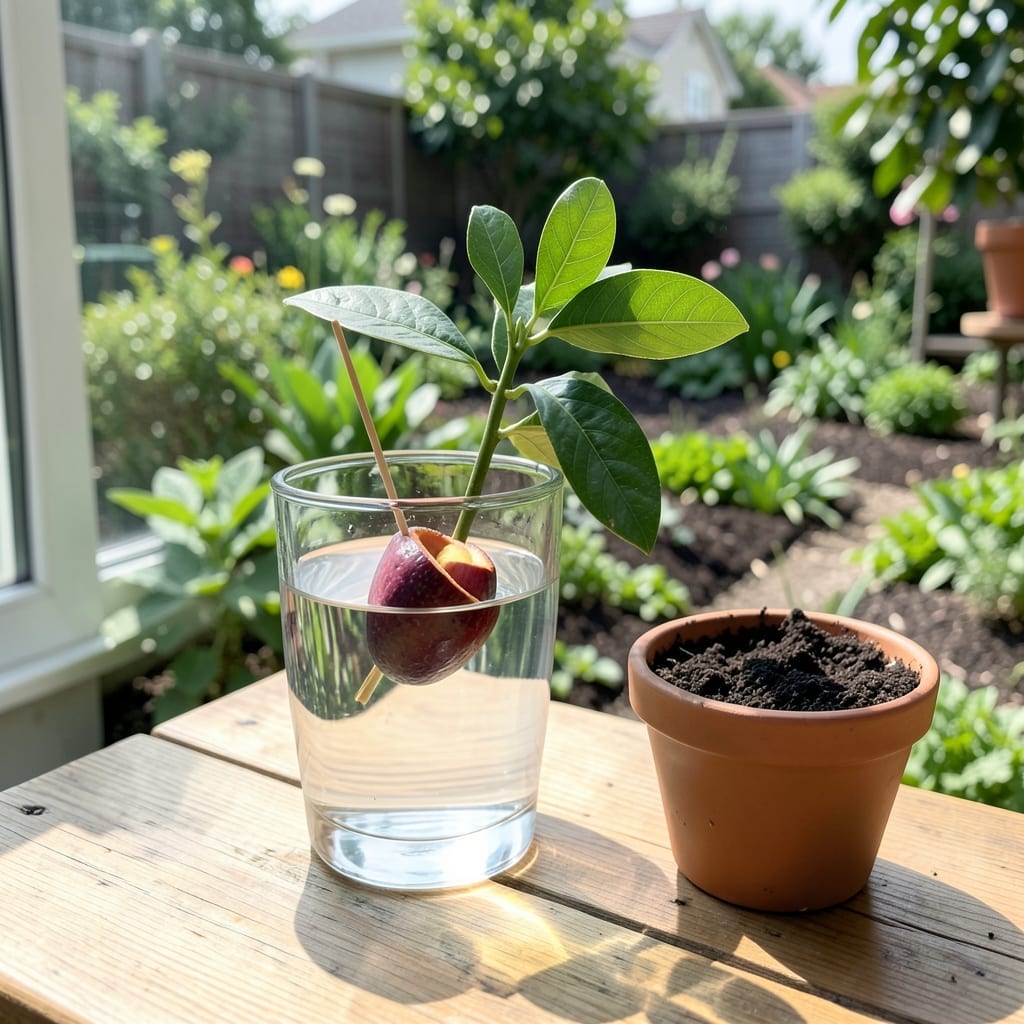
That red avocado pit in your hand could be a tree. I’ve turned dozens into leafy houseplants with just water, sunlight, and patience. The trick is starting it right.
Most people stick the pit in soil too soon. Instead, suspend it over water with toothpicks so the bottom half stays wet. Change the water weekly—stagnant water kills the root before it starts.
Within 2-4 weeks, you’ll see a thick root, then a sprout. Move it to soil once the stem hits 6 inches. Keep it warm and bright, but out of direct sun at first.
It grows slow, but the reward is a tropical-looking plant that purifies your air. And yes, it might even fruit someday.
The red hue in an avocado pit typically results from one of three key factors. Understanding these causes helps you manage or even encourage the phenomenon for healthier germination.
Avocado pits contain high concentrations of tannins, a type of polyphenol. When exposed to air, these compounds undergo oxidation, a chemical reaction that produces reddish-brown pigments (similar to how a cut apple turns brown). This is the most common cause of a red avocado pit and is harmless to the seed’s viability.
In warm, humid conditions, microscopic fungi or bacteria may colonize the pit’s surface. Certain strains, like Fusarium or Colletotrichum, produce red or pink pigments as byproducts. If the pit smells foul or develops fuzzy growth, discard it—this indicates harmful infection, not natural oxidation.
As the pit begins to sprout, it may absorb minerals (e.g., iron or manganese) from water or soil, which can tint the outer layers red. This is a sign of active metabolic processes and often precedes root emergence. Ensure clean water and proper drainage to support healthy development.
If your avocado pit has turned red, don’t panic—this is often a sign of stress or fungal growth, but it’s usually fixable. Below are practical solutions tailored to the most common causes, along with tips to keep your pit healthy and on track for germination.
If the pit is waterlogged or sitting in stagnant water, it can develop red spots or mold. Fix: Remove the pit from water immediately and let it dry in a well-ventilated area for 24 hours. If using the toothpick-and-water method, ensure only the bottom half of the pit touches the water. Replace the water every 3–4 days to prevent bacterial growth.
Prevention: Use a clear container to monitor water levels and avoid overfilling. A shallow dish with just enough water to cover the base works best.
Red discoloration can signal fungal or bacterial infection, especially in warm, humid conditions. Fix: Gently scrub the pit with a soft brush and diluted hydrogen peroxide (1 part peroxide to 3 parts water) to disinfect. Rinse and dry it thoroughly before returning it to a clean setup.
Prevention: Sterilize your tools and container before starting. Keep the pit in a bright, airy spot—avoid direct sunlight, which can overheat and encourage mold.
Leaving the pit submerged for weeks can suffocate the seed and turn it red. Fix: Switch to the “dry method” by planting the pit halfway in moist (not soggy) potting soil. Keep the soil lightly damp and wait for roots to emerge.
Prevention: If using water, check for root growth weekly. Once roots reach 2–3 inches, transfer the pit to soil to prevent rot.
Pro Tip 💡: Healthy avocado pits should be light brown or tan. If the redness spreads or the pit feels mushy, it may be beyond saving—start fresh with a new pit and adjust your care routine.
Yes, if the redness is from oxidation or mineral uptake. Check for firmness and no foul odor. If it feels mushy or smells bad, discard it and try another pit.
Change water every 3-4 days and ensure only the bottom half is submerged. Use clean containers and avoid direct sunlight to prevent overheating.
Natural red is even and odorless. Fungal red often has fuzzy spots or a bad smell. When in doubt, disinfect with diluted hydrogen peroxide.