
Beautiful Plants For Your Interior
Beautiful Plants For Your Interior
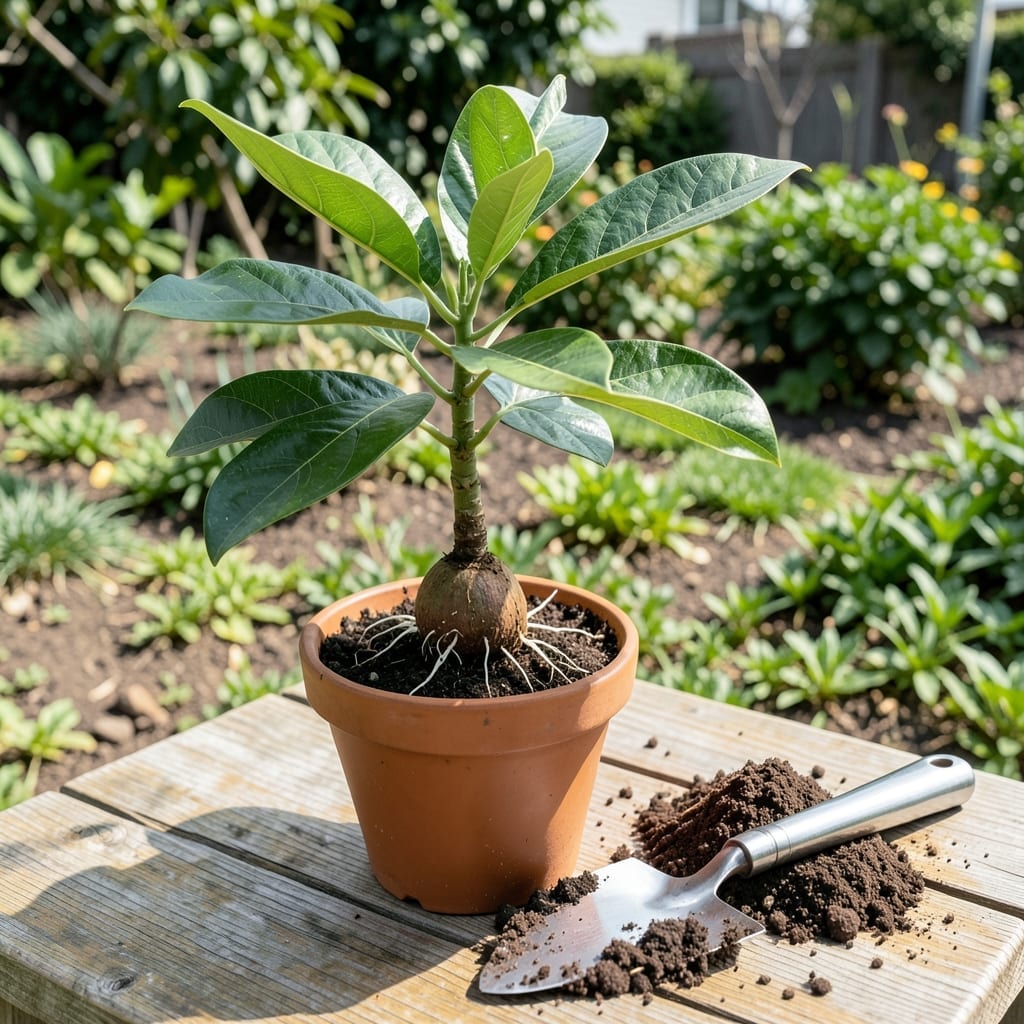
Growing an avocado tree from a pit is a rewarding project, but timing is everything. Plant too soon and it may rot, too late and growth stalls.
I learned the hard way that patience is key when transitioning your 🥑 from water to soil. The right moment makes all the difference for thriving results.
After years of trial and error, I’ve discovered the perfect window for this crucial step. It’s not just about the season – it’s about what you see happening with your pit.
Let me share exactly when and how to make this move for the best chance of success with your avocado plant.
Knowing when to plant avocado pit in soil starts with recognizing the right root development. I wait until the primary root reaches 3-4 inches long and thickens slightly. This shows it can absorb nutrients from soil effectively.
Another key sign is the pit splitting open at the bottom. This indicates the embryo is active and ready for transplanting. Without this split, the growth may stall in soil.
| Sign | Ready When |
|---|---|
| Root Length | 3-6 inches long |
| Stem Height | 6+ inches tall |
| Pit Condition | Split at bottom |
| Leaf Development | First leaves forming |
The stem height matters too—I look for 6 inches or more of green growth above the pit. This ensures the seedling is strong enough for soil transition.
Early leaf development is a great indicator. When I see tiny leaves forming at the top of the stem, I know the plant is photosynthesizing and ready for soil.
I avoid transplanting if the roots are still white and brittle. Healthy roots should be light brown and slightly woody at the base for best survival rates in soil.
The toothpick method helps me monitor progress. I suspend the pit with 3 toothpicks over water, and when the roots touch the bottom, it’s often time to plant.
I always check that the pit isn’t moldy or slimy. A clean, firm pit with dry top half means it’s safe to transplant without rot risk.
Season matters too—I find spring months like March to June ideal for planting. The warmer temperatures help the young plant establish quickly in soil.
If the stem bends or roots tangle, I wait a bit longer. A straight stem and untangled roots make for an easier transition to soil.
Finally, I confirm the water roots have secondary roots branching off. This root system complexity means the avocado can thrive in its new soil home. 🌱
Timing your avocado pit transplant to soil is crucial for healthy growth. I always wait until the stem reaches 6 inches and roots are 3-4 inches long before making the move. This ensures the plant can handle soil conditions.
Before planting, I prepare a well-draining pot and a light, airy soil mix. Avocados hate soggy roots, so I avoid heavy garden soil. A blend of potting mix and perlite works perfectly for me.
I always plant the pit with the pointy end up and the flatter end down. This orientation helps the roots grow downward naturally. The top of the pit should stay exposed to air.
After planting, I place my pot in a warm spot with bright, indirect light. Direct sun can scorch young leaves, so I introduce sunlight gradually over a week.
For the first few days, I mist the soil instead of watering to maintain moisture without waterlogging. I check daily for signs of stress or yellowing leaves, which might indicate overwatering.
Within 2-3 weeks, new growth should appear. I celebrate this milestone as a sign my avocado is thriving in its new home. Patience and proper timing are key to success.
🌱