
Beautiful Plants For Your Interior
Beautiful Plants For Your Interior
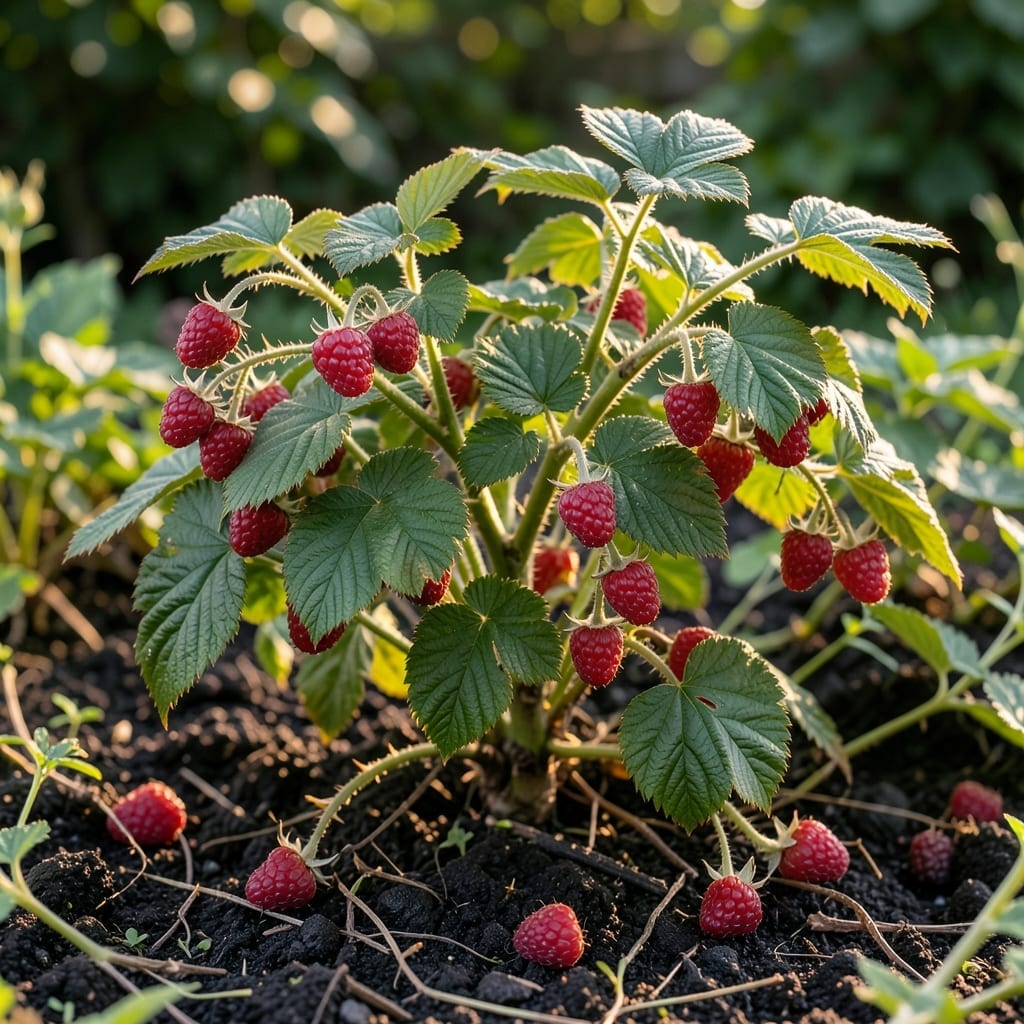
Raspberry plants have a fibrous, shallow root system with lateral spread, typically growing 6-12 inches deep but extending up to 3 feet outward from the crown.
This network of fine roots helps the plant anchor itself while efficiently gathering water and nutrients from the topsoil. 🔥 I’ve noticed they produce suckers from these lateral roots, which can quickly form dense thickets if not managed properly. The shallow depth means they benefit from consistent moisture and organic mulch to maintain soil health.
💡 In This Article
The fibrous nature of raspberry roots comes from their adventitious growth pattern. Unlike taproot systems, these roots form dense mats of thin, hair-like structures that spread horizontally just below the soil surface. This design maximizes surface area for nutrient absorption in the top 6-12 inches of soil, where organic matter concentrates. 🔥
What’s fascinating is how lateral roots stretch outward in a radial pattern. Studies show a single raspberry crown can extend its root system up to 3 feet in all directions within one growing season. These horizontal runners produce nodes that can sprout new canes, creating the plant’s characteristic thicket formation.
This shallow yet extensive network has a practical advantage: it allows raspberries to quickly colonize new areas. The roots anchor loosely in the topsoil, which is why raspberries often benefit from trellising. The trade-off is vulnerability to drought, as these fine roots can’t access deeper water reserves like taproots can. ✨
Each root tip contains meristematic tissue that continuously generates new cells. This is why raspberry plants can recover so well from pruning or damage—they’re constantly regenerating their root system. The lateral spread also explains why raspberry patches can become invasive if not contained, as new shoots emerge from these far-reaching roots. 💫
For comparison, blackberry roots grow similarly but often penetrate deeper (up to 18 inches). Raspberry’s shallower system makes it more dependent on consistent moisture and rich, well-draining soil to thrive. This is why mulching with organic material is so effective—it keeps the root zone both moist and fertile. ⚡
Raspberry roots usually stay shallow, growing just 6-12 inches deep. They spread widely instead, often extending 3 feet outward from the plant’s base.
Suckers form from lateral roots as a natural reproduction method. This allows the plant to spread quickly and colonize new areas. Left unchecked, they can create dense thickets.
Yes, but choose pots at least 5 gallons with good drainage. Use quality potting mix and fertilize every 4-6 weeks to support their shallow, spreading root system.
Prune suckers emerging more than 12 inches from the main plant. Use a spade to sever connecting roots for unwanted shoots. A 3-inch mulch layer also helps suppress them.