
Beautiful Plants For Your Interior
Beautiful Plants For Your Interior
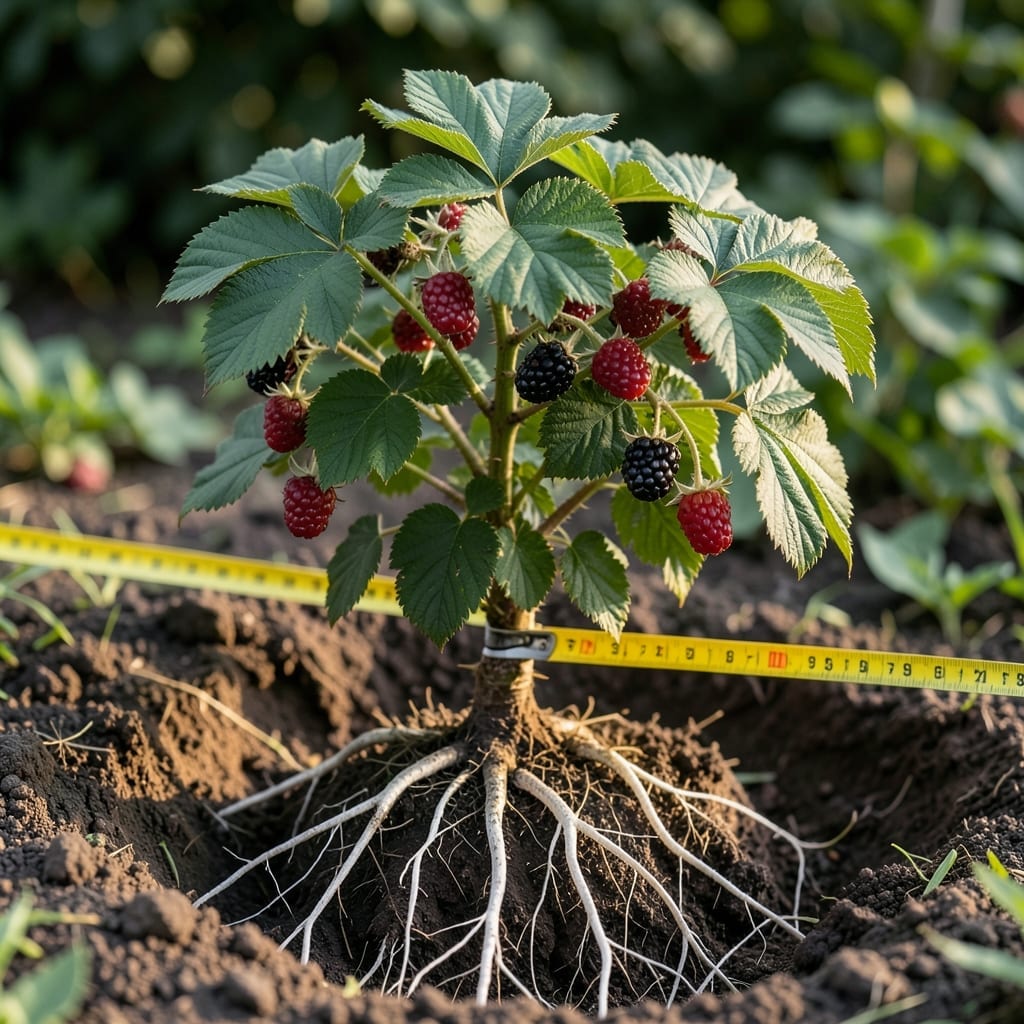
Blackberry plants are notorious for their aggressive spreading, but just how deep do their roots grow? Understanding their underground behavior is key to proper planting and garden management.
If you’ve ever struggled with 🫐 Blackberry taking over your garden, you know their roots can be surprisingly far-reaching. This isn’t just about depth—it’s about how they spread laterally too.
I’ll walk you through what to expect from Blackberry roots, why it matters for your garden layout, and how to work with their natural growth patterns. The insights might surprise you.
Learn how to harness this knowledge for healthier plants and easier maintenance. Your future harvests will thank you.


Blackberry plants develop an extensive underground network that surprises many gardeners. Their root systems typically grow 12 to 18 inches deep, but the real challenge is their lateral spread, which can extend 4 to 6 feet or more from the base.
This aggressive spreading habit varies by blackberry type. Erect varieties tend to have more contained roots, while trailing and semi-erect types send out longer, more invasive runners. Soil conditions also play a role—loose, well-draining soil encourages deeper penetration. 🌱
| Blackberry Type | Root Depth | Lateral Spread |
|---|---|---|
| Erect | 12-15 inches | 3-4 feet |
| Semi-Erect | 12-18 inches | 4-5 feet |
| Trailing | 15-20 inches | 5-7 feet |
The primary roots anchor the plant and absorb water and nutrients, but it’s the suckering runners that cause most gardeners headaches. These horizontal stems can pop up new canes far from the original plant, creating a thicket if left unchecked.
Soil moisture influences root behavior too. In dry conditions, blackberries may send roots deeper in search of water, while in moist, rich soil, they’ll spread outward more aggressively. This adaptability helps them thrive in diverse environments. 🌿
I’ve seen established blackberry patches with roots extending beyond 8 feet in ideal conditions. This is why many gardeners recommend root barriers or container planting to maintain control over their growth.
The first year of growth is crucial for root establishment. Young plants focus energy on developing a strong root system before significant top growth occurs. This is why proper initial spacing is so important.
For container growing, choose a pot at least 24 inches deep and 36 inches wide to accommodate the root system. Remember that container-grown blackberries will need more frequent watering and feeding than in-ground plants. ✂️
Understanding this underground growth pattern helps explain why blackberries can be both rewarding and challenging. Their extensive root system allows them to withstand drought and poor soil conditions, but also makes them difficult to eradicate once established.
In my experience, the key to managing blackberry roots is early intervention. Regularly check for new suckers and remove them promptly to prevent unwanted spread. This is especially important in smaller gardens where space is limited.
If you’ve ever dealt with blackberry plants, you know their roots can be invasive. Without proper management, they’ll spread far beyond their intended space, crowding out other plants and creating a maintenance nightmare in your garden.
Luckily, there are effective ways to control this aggressive growth. Physical barriers like root guards or buried trenches can stop lateral spread, while container planting keeps roots confined to a specific area.
For erect blackberry varieties, I recommend annual root pruning to keep them in check. Dig a trench around the planting area and sever any roots extending beyond the desired boundary. This prevents unwanted spread while maintaining plant health.
Container planting is another great option, especially for smaller gardens. Choose a large pot with drainage holes and fill it with well-draining soil. This method ensures roots stay contained while still allowing for healthy growth.
If you prefer in-ground planting, proper spacing is key. Plant blackberries 4-6 feet apart to give them room to grow without encroaching on neighboring plants. This also improves air circulation, reducing the risk of fungal diseases.
Finally, regular monitoring is essential. Check for new suckers or runners weekly during the growing season and remove them promptly. With consistent effort, you can enjoy delicious blackberries without letting them take over your garden. ✂️