
Beautiful Plants For Your Interior
Beautiful Plants For Your Interior
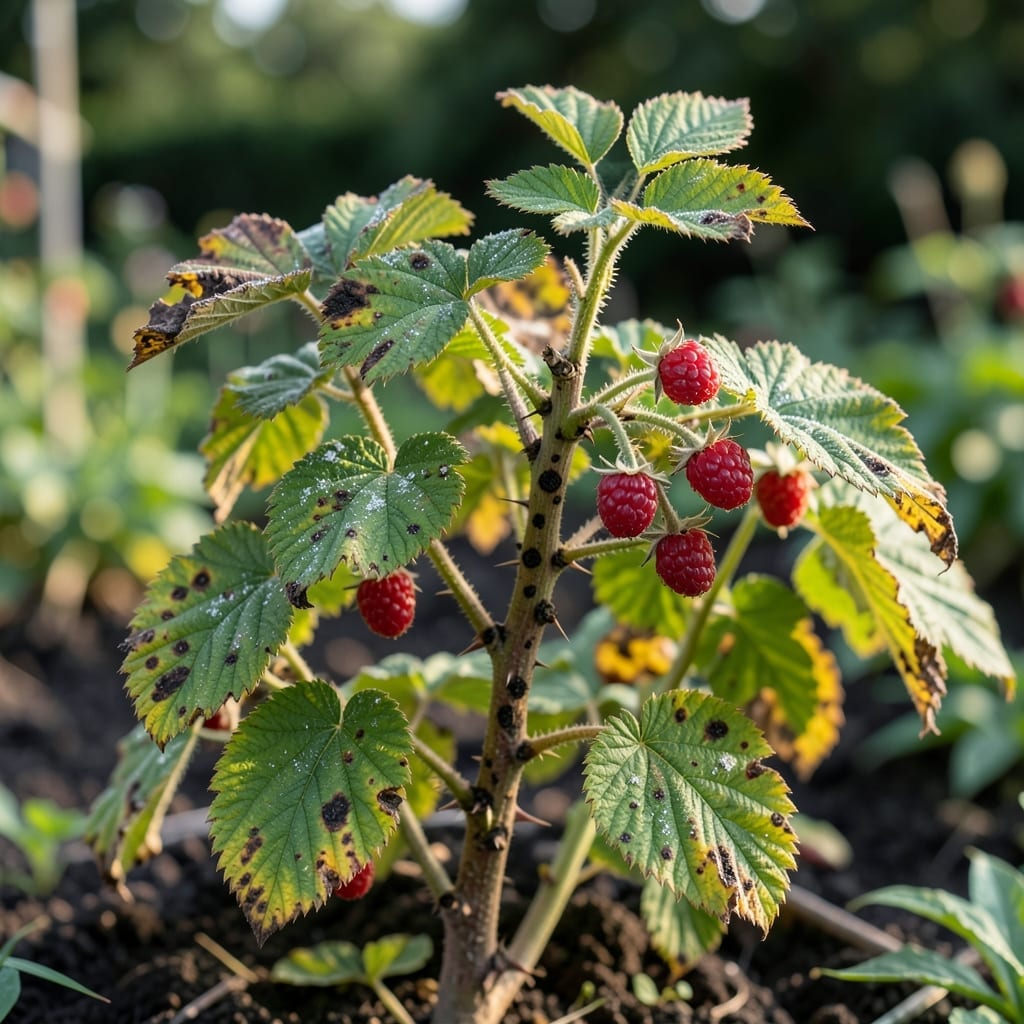
Nothing breaks a gardener’s heart like watching raspberry canes wither from preventable diseases. I’ve lost entire patches to anthracnose and spur blight before learning these simple defenses.
Healthy raspberries start with clean plants and good air flow. Space canes 18-24 inches apart, prune out weak growth, and remove all old canes after harvest to stop disease before it starts.
You’ll notice the difference immediately. Vigorous canes, plump berries, and plants that produce for 10+ years instead of collapsing after two seasons.
Works for all raspberry varieties and growing zones. Here’s how to keep your patch thriving.
Understanding the root causes of raspberry plant diseases is the first step toward prevention. These issues often arise from a combination of environmental, biological, and cultural factors. Below are the primary triggers, explained scientifically for clarity and actionability.
Fungal diseases like anthracnose and cane blight thrive in wet conditions. Overwatering, heavy rainfall, or poor soil drainage creates a damp environment where spores germinate and spread. Phytophthora root rot, for example, flourishes in waterlogged soil, suffocating roots and halting nutrient uptake. To mitigate this, ensure raspberry plants are grown in well-draining soil and avoid overhead irrigation.
Pathogens such as Botrytis cinerea (gray mold) and Xanthomonas bacteria are common culprits. These microscopic invaders enter plants through wounds, stomata, or weak tissue. Fungal spores can overwinter in plant debris, while bacteria spread via contaminated tools or splashing water. Regularly remove infected canes and sanitize pruning tools with a 10% bleach solution to break the disease cycle.
Insects like aphids, raspberry cane borers, and spider mites don’t just damage plants directly—they also create entry points for diseases. Aphids, for instance, excrete honeydew that fosters sooty mold growth, while borer tunnels weaken canes, making them susceptible to fungal infections. Implement integrated pest management (IPM) strategies, such as introducing beneficial insects or using horticultural oils, to keep pest populations in check.
Plants weakened by extreme temperatures, drought, or nutrient deficiencies are more vulnerable to disease. Heat stress can compromise cellular integrity, while cold snaps may cause cane dieback, inviting pathogens. Maintain optimal growing conditions: mulch to regulate soil temperature, water consistently during dry spells, and fertilize based on soil test recommendations to keep plants resilient.
Tackling raspberry plant diseases early keeps your harvest thriving. Below are practical solutions for the most common problems, paired with prevention tips to stop them from returning.
Spray affected leaves with neem oil or a baking soda solution (1 tsp baking soda + 1 quart water + a drop of dish soap). Prune crowded canes to boost airflow, and water at the base to keep foliage dry. Prevention tip: Space plants 3–4 feet apart and choose resistant varieties like ‘Heritage’ or ‘Caroline’. 💡
Blast aphids off with a strong water spray or introduce ladybugs or lacewings. For stubborn infestations, use insecticidal soap. Prevention tip: Plant companion flowers like marigolds to deter pests naturally. ✨
Cut infected canes 6 inches below the damaged area and burn or trash them—never compost. Sterilize pruning tools with rubbing alcohol between cuts. Prevention tip: Avoid overhead watering and thin canes annually to reduce humidity. 🌡️
Prune out wilted or egg-laden canes (look for two rows of holes). Burn them to kill larvae. Prevention tip: Inspect canes weekly in spring and summer, and remove any showing signs of entry holes. 🎯
Apply copper fungicide in early spring and after harvest. Remove and destroy spotted leaves and fruit. Prevention tip: Mulch with straw to prevent spores from splashing onto leaves. 🌿
Improve airflow by spacing canes 18-24 inches apart and pruning regularly. Avoid overhead watering to keep foliage dry.
Spray leaves with neem oil or a baking soda solution. Prune crowded areas to boost circulation.
Yes! Cut infected canes 6 inches below the damage and destroy them—never compost. Sanitize tools between cuts.
Plant marigolds or nasturtiums nearby to repel aphids and other pests naturally.