
Beautiful Plants For Your Interior
Beautiful Plants For Your Interior
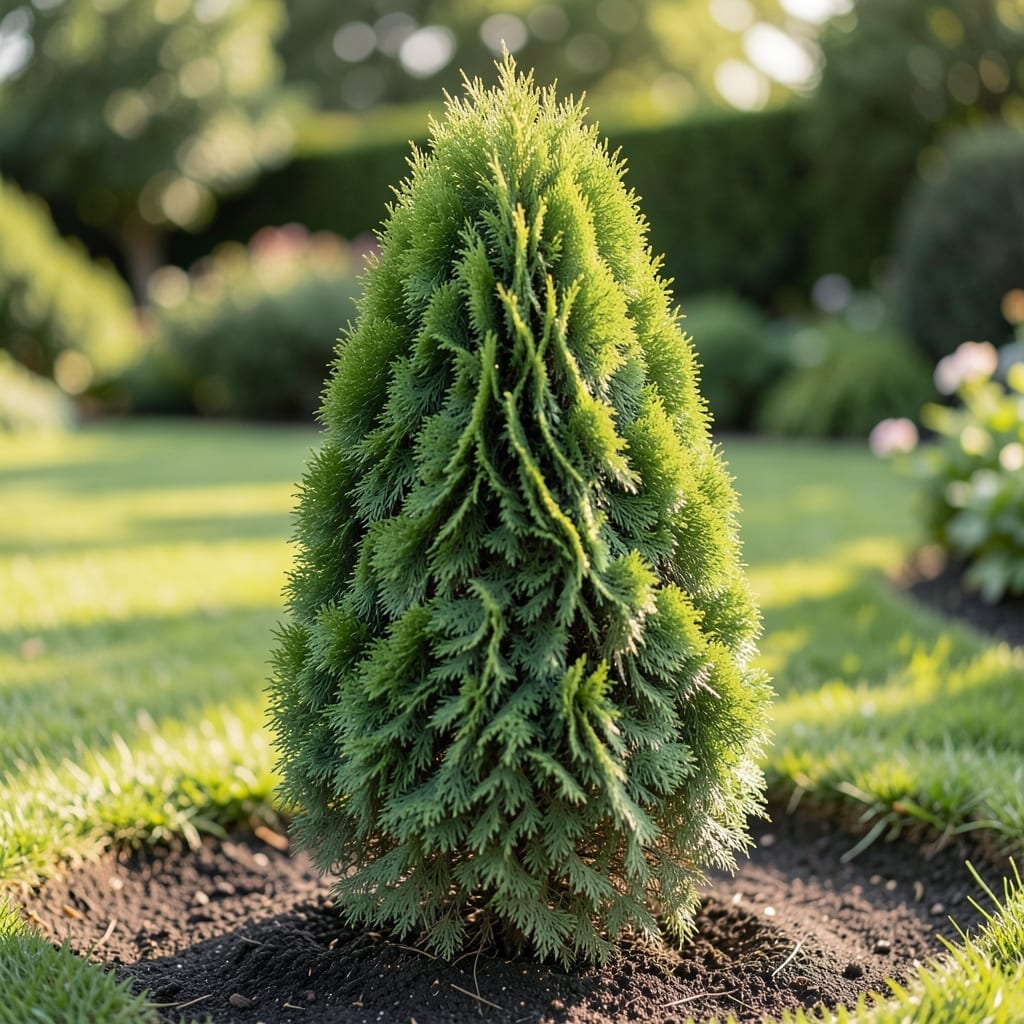
I needed privacy fast—my backyard felt like a fishbowl. 🌿 A rapid-growing hedge solved it in one season, transforming bare fence lines into a lush green barrier that blocks neighbors and noise alike.
The right varieties can add 3-5 feet in a single year with minimal effort. I learned the hard way that not all “fast” plants stay manageable—some turn into monsters. The best options balance speed with control.
You’ll get a dense, living wall that starts working within months. Proper spacing and initial pruning shape it into a tidy screen rather than a wild thicket. The difference between instant eyesore and instant privacy is in the details.
Works for urban lots, rural properties, or anywhere you need a natural fence. Here’s how to do it right the first time.
Rapid hedge growth isn’t just luck—it’s science! 🌱 Here’s why some hedges take off like a rocket while others lag behind:
Certain hedge species, like Leyland Cypress or Thuja Green Giant, are bred for speed. Their DNA is hardwired for rapid cell division, allowing them to add 3–5 feet per year under ideal conditions. If your hedge is a fast grower, genetics are likely the driving force.
Hedges grow quickly when their roots have consistent access to water and nutrients. Over- or under-watering stunts growth, but 1–2 inches of water per week (including rainfall) keeps metabolism humming. Nitrogen-rich fertilizers (e.g., 10-10-10) fuel leafy expansion, while phosphorus supports root development.
Most rapid-growing hedges thrive in full sun (6+ hours/day). Sunlight triggers photosynthesis, converting CO₂ and water into sugars that power growth. Shaded hedges grow slower as they allocate energy to survival rather than expansion.
Warm climates (USDA Zones 7–10) accelerate growth by extending the growing season. Planting in early spring gives roots time to establish before summer’s growth spurt. Cooler regions may see slower growth, but hardy varieties (e.g., Arborvitae) can still thrive with proper care.
Pests, diseases, or poor soil drain energy from hedges. A stress-free environment—with well-draining soil, pest control, and minimal competition—lets the plant focus solely on upward and outward growth.
Keeping your hedge healthy and thriving requires addressing common problems that can slow its growth or harm its appearance. Below are practical solutions to typical issues, along with prevention tips to keep your green screen flourishing.
Fix: If your hedge isn’t growing as fast as expected, test the soil for nutrient deficiencies. Use a balanced fertilizer (10-10-10) to provide essential nutrients. Water deeply and consistently, especially during dry spells, to encourage root development. Prune selectively to allow light and air to reach inner branches.
Prevention: Choose fast-growing species like Leyland Cypress or Arborvitae for quicker results. Plant in well-draining soil and space plants properly to avoid competition for resources.
Fix: Inspect leaves and stems for pests like aphids or spider mites. Treat with insecticidal soap or neem oil for a natural solution. For severe cases, consider a targeted pesticide, but avoid overuse to protect beneficial insects.
Prevention: Encourage natural predators like ladybugs by planting companion flowers nearby. Regularly clean up fallen leaves and debris to eliminate pest hiding spots.
Fix: Yellow or brown foliage often signals overwatering, underwatering, or fungal disease. Adjust your watering schedule to keep soil moist but not soggy. If fungus is the culprit, apply a fungicide and improve air circulation by thinning dense areas.
Prevention: Water at the base of the plant to keep leaves dry. Mulch around the hedge to retain moisture and prevent soil-borne diseases.
Fix: Trim your hedge regularly to maintain its shape and encourage bushier growth. Use sharp shears and cut at a slight angle to allow sunlight to reach the lower branches. Remove dead or diseased branches promptly.
Prevention: Schedule light pruning sessions every 4-6 weeks during the growing season. Avoid heavy pruning in late summer, as it can stimulate new growth that may not harden before winter.
With these fixes and preventive measures, your hedge will stay vibrant, dense, and on track for rapid growth. 💡
With the right species, you’ll see 3-5 feet of growth in the first year. Proper care and ideal conditions can speed this up even more.
Leyland Cypress and Thuja Green Giant are top choices, adding 3-5 feet annually. These are low-maintenance and disease-resistant.
Space plants 3-6 feet apart for a dense screen. Closer spacing fills in faster, but wider spacing allows better air circulation.
Most rapid growers need full sun (6+ hours/day). Some varieties tolerate partial shade, but growth will be slower and less dense.