
Beautiful Plants For Your Interior
Beautiful Plants For Your Interior
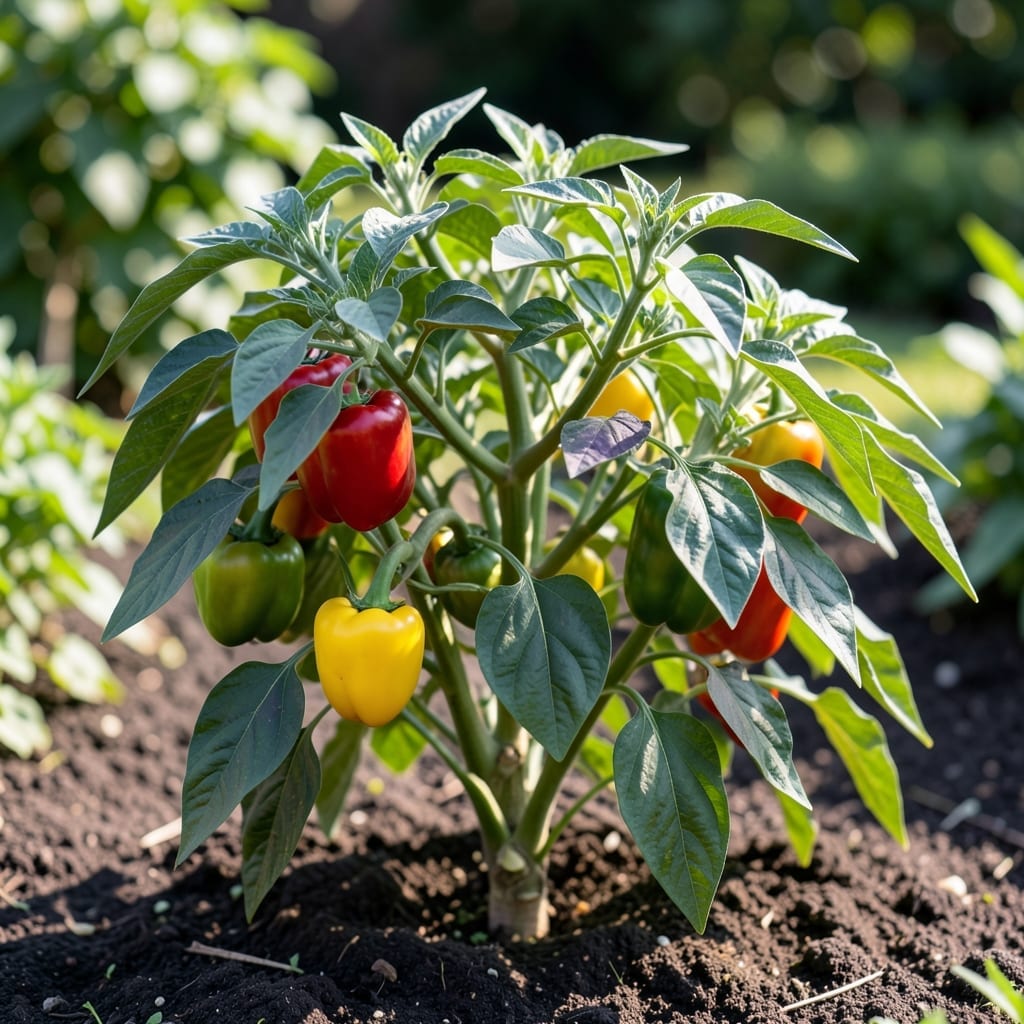
Purple pepper leaves caught my eye in the garden last week. Turns out they’re not just pretty—they’re your plant’s way of sending an SOS.
Most times it’s a phosphorus deficiency, but cold soil or stress can trigger it too. I’ve seen healthy plants bounce back within days once the issue’s fixed.
Check your soil temp first—peppers hate the cold. Then look at your fertilizer. The right tweaks restore that vibrant green fast.
Left unchecked, it stunts growth and kills yields. Here’s how to read the signs and fix them before it’s too late.
Purple pepper leaves can signal underlying issues or natural growth patterns. Here’s a breakdown of the most common causes, explained with actionable insights:
When soil lacks phosphorus, pepper plants often develop purple-tinged leaves, especially on the undersides. Phosphorus is critical for energy transfer and root development. Test your soil (pH 6.0–7.0 is ideal) and amend with bone meal or a balanced fertilizer (e.g., 10-10-10) to restore balance.
Peppers thrive in warm conditions (70–85°F). Cold snaps (below 55°F) or sudden heat spikes can trigger anthocyanin production—a pigment that turns leaves purple. Protect plants with row covers or shade cloth during extreme weather.
Some pepper varieties, like ‘Purple Beauty’ or ‘Black Pearl’, naturally produce purple foliage due to high anthocyanin concentrations. If the discoloration is uniform and the plant is otherwise healthy, it’s likely a cultivar characteristic—no action needed!
Fungal infections (e.g., Phytophthora blight) or pest damage (e.g., aphids) can stress plants, leading to purple leaves. Inspect for spots, wilting, or insects. Treat with neem oil or copper fungicides, and remove affected foliage promptly.
If your pepper plants are sporting purple leaves, don’t panic—most causes are fixable with a few simple tweaks. Below are targeted solutions for each common trigger, plus proactive steps to keep your plants vibrant and green.
Fix: Apply a balanced, water-soluble fertilizer (10-10-10 or 20-20-20) to replenish missing phosphorus or magnesium. For a quick boost, use a foliar spray with Epsom salt (1 tablespoon per gallon of water) for magnesium. Reapply every 2 weeks until leaves regain their green hue.
Prevent: Test your soil annually and amend with compost or organic matter before planting. Rotate crops to avoid depleting specific nutrients over time.
Fix: Move potted peppers to a warmer spot (above 55°F/13°C at night) or use row covers for in-ground plants. If heat is the issue, provide afternoon shade with a cloth or taller companion plants.
Prevent: Start seeds indoors in cooler climates and transplant only after the last frost. Use mulch to regulate soil temperature.
Fix: Relocate plants to a sunnier spot (6–8 hours of direct light daily). For indoor peppers, supplement with grow lights (12–16 hours/day) placed 6–12 inches above the foliage.
Prevent: Plan your garden layout to avoid shading from taller crops or structures. Prune nearby plants if they’re blocking light.
Fix: Let the top 1–2 inches of soil dry out between waterings. If roots are soggy, improve drainage by mixing in perlite or sand. For container plants, ensure pots have drainage holes.
Prevent: Water deeply but infrequently (1–2 times per week, depending on climate). Use a moisture meter to avoid guesswork.
💡 Pro Tip: Purple leaves can also signal genetic traits in some pepper varieties (like ‘Purple Beauty’). If the plant is otherwise healthy and productive, no action is needed—enjoy the unique color!
For some varieties like ‘Purple Beauty’, yes! If it’s uniform and the plant is thriving, it’s likely genetic. Otherwise, it may signal stress.
Add bone meal or a 10-10-10 fertilizer to the soil. Test pH first—6.0–7.0 is ideal for nutrient uptake.
Temperatures below 55°F trigger purple hues. Use row covers or move potted plants indoors.
Yes, new growth should return to green once the underlying cause is addressed. existing leaves may stay purple but remain healthy.