
Beautiful Plants For Your Interior
Beautiful Plants For Your Interior
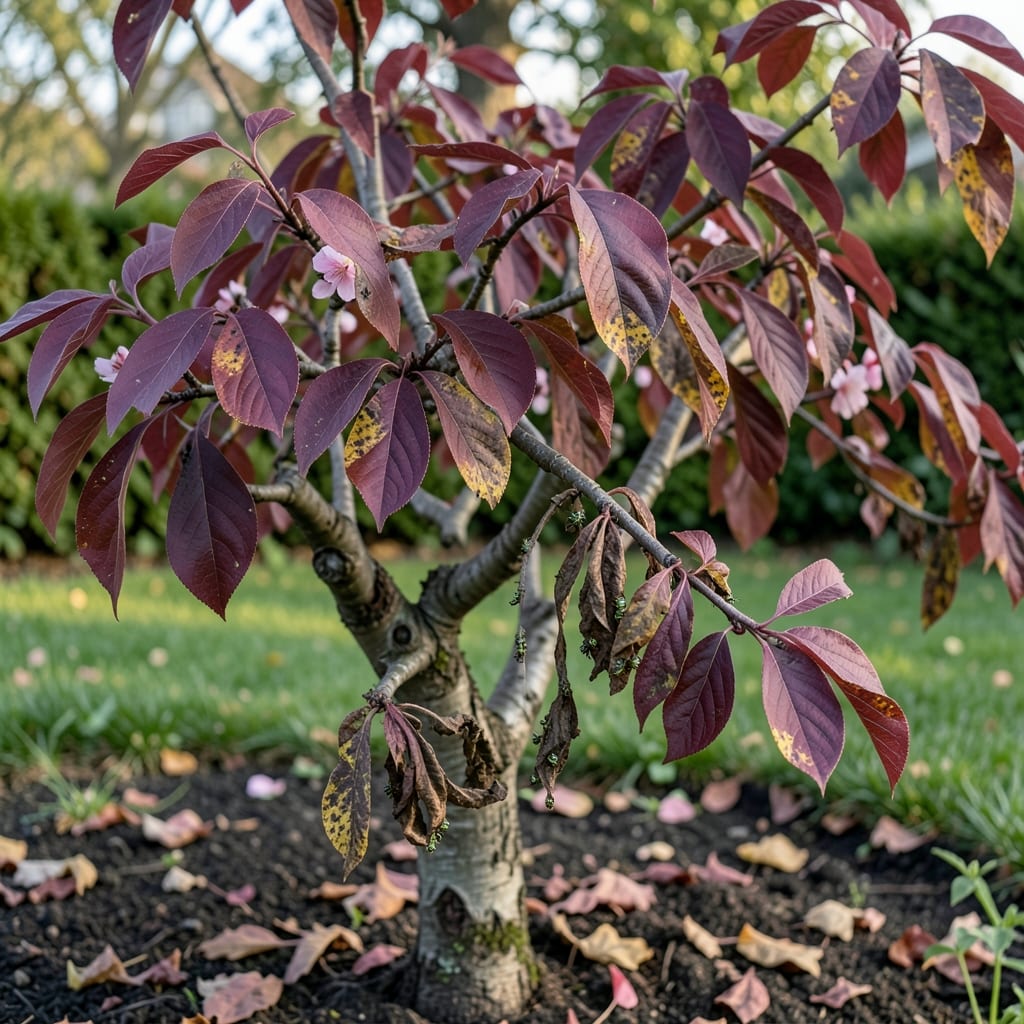
My purple leaf plum was the pride of the yard until last spring. First came the brown spots, then the curled leaves, and suddenly I was searching for answers every weekend.
These trees are tough but not invincible. Between you and me, most problems come from three things: pests that love new growth, diseases that spread in wet weather, or stress from the wrong soil or sunlight.
I’ve learned the hard way that catching issues early makes all the difference. A little attention now prevents a full-season battle later.
Here’s the thing—solutions are simpler than you think. Often it’s just about adjusting water, improving air flow, or a well-timed spray.
The Purple Leaf Plum (Prunus cerasifera) is a stunning ornamental tree, but its beauty can be compromised by several environmental, biological, and cultural factors. Understanding the root causes of these problems helps in addressing them effectively.
Extreme temperatures, drought, or poor soil conditions can stress the tree, leading to leaf scorch, wilting, or premature leaf drop. This tree thrives in well-draining, slightly acidic soil and prefers full sun to partial shade. Inadequate watering—either too much or too little—can also trigger stress responses, such as yellowing leaves or stunted growth.
Fungal diseases like leaf spot, powdery mildew, and brown rot are common culprits. These pathogens thrive in humid, poorly ventilated conditions, often spreading through overhead watering or contaminated pruning tools. Infected trees may develop dark spots, white powdery coatings, or cankers on branches.
Aphids, scale insects, and borers are frequent pests that weaken the tree by feeding on its sap or boring into its bark. Aphids cause curled or distorted leaves, while borers create entry holes and sawdust-like frass. These pests often target stressed trees, making proper care essential for prevention.
A lack of essential nutrients, particularly nitrogen, iron, or magnesium, can manifest as discolored or stunted foliage. Nitrogen deficiency often results in pale leaves, while iron deficiency causes interveinal chlorosis (yellowing between veins). Poor soil quality or improper fertilization are typical triggers.
Incorrect pruning practices, such as cutting at the wrong time or using dull tools, can introduce diseases or weaken the tree. Always prune during the dormant season and sterilize tools between cuts to prevent pathogen spread.
Keep your purple leaf plum tree thriving with these practical solutions to common problems. Address each issue promptly to ensure vibrant foliage and strong growth.
If your tree’s leaves are turning yellow, overwatering or poor drainage is often the culprit. Start by checking the soil—if it’s soggy, reduce watering and amend the soil with compost or sand to improve drainage. For potted trees, ensure the container has drainage holes. Prevention tip: Water only when the top 2 inches of soil are dry. 💡
Aphids, scale, and spider mites love purple leaf plums. For mild cases, blast pests off with a hose or apply neem oil weekly. Severe infestations may require insecticidal soap or horticultural oil. Prevention tip: Encourage beneficial insects like ladybugs and keep the area around the tree clean. ✨
Spots, mildew, or cankers signal fungal issues. Remove infected branches immediately and dispose of them far from the tree. Apply a fungicide (like copper-based sprays) to prevent spread. Prevention tip: Space trees properly for airflow and avoid overhead watering. 🌡️
Slow growth often means nutrient deficiency. Test your soil and apply a balanced fertilizer (10-10-10) in early spring. If the soil is compacted, loosen it gently around the roots. Prevention tip: Mulch annually to retain moisture and nutrients. 🎯
Brown leaf edges often indicate underwatering or salt buildup in the soil. Check moisture levels 2 inches down and adjust watering. For potted trees, flush soil with water to remove excess salts.
Yes, if caught early. Remove all infected leaves and branches, then apply copper fungicide every 7-10 days until the issue resolves. Improve air circulation to prevent recurrence.
Fertilize once in early spring with a balanced 10-10-10 formula. Avoid late-season feeding which can promote tender growth vulnerable to frost. Always water thoroughly after applying.
Encourage natural predators like ladybugs and maintain tree vigor through proper watering. For active prevention, apply neem oil every 2 weeks during growing season.