
Beautiful Plants For Your Interior
Beautiful Plants For Your Interior
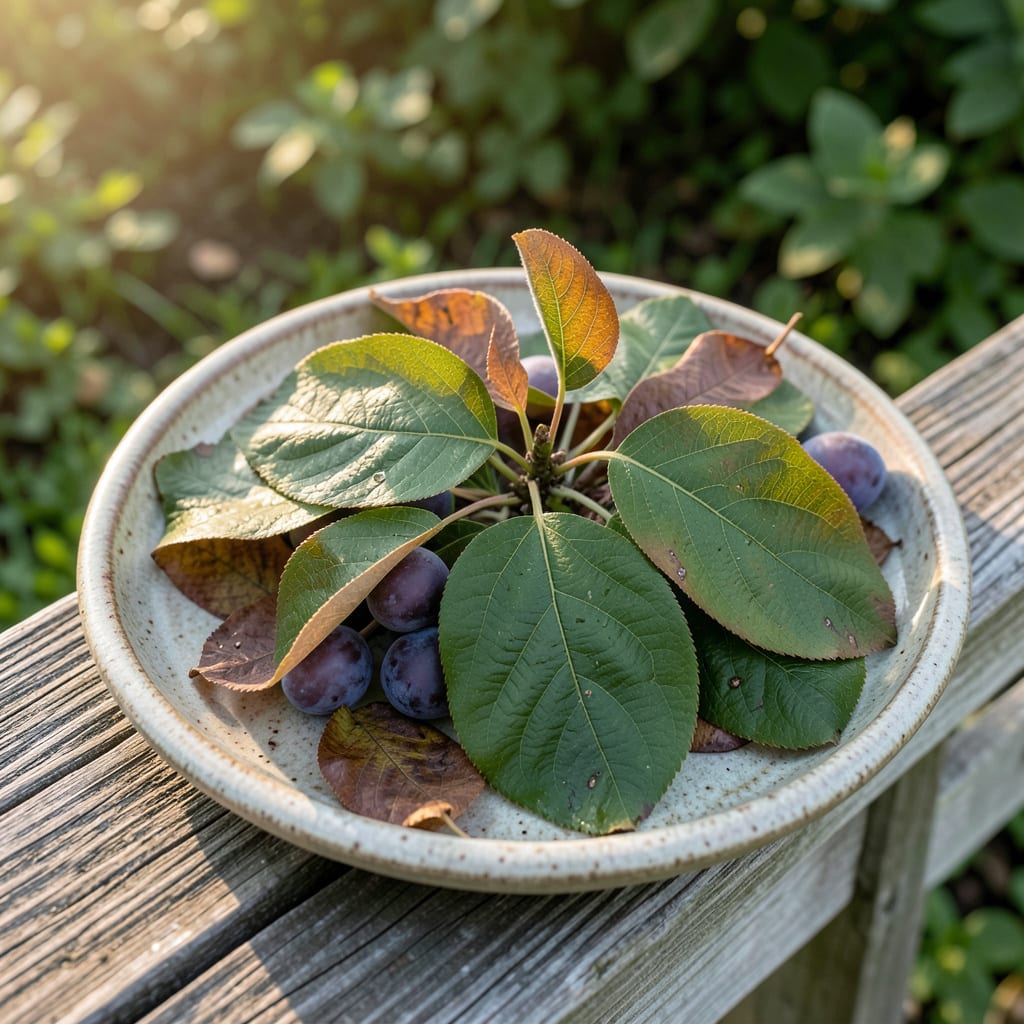
Brown leaves on your plum tree aren’t just unsightly—they’re a distress signal. I’ve seen this issue derail entire harvests if ignored, but the good news? Most causes are fixable once you identify them.
From water stress to fungal invaders, the solution often starts with a closer look. You’ll spot the difference between drought damage and disease in minutes, and the fixes take even less time.
📚 In This Guide
Use this straightforward approach to diagnose the issue and restore your tree’s vigor in no time.
Start by examining the brown leaves closely. If the browning begins at the edges and feels crisp, it often signals underwatering or heat stress. Check the soil 2-3 inches deep—if it’s bone dry, your tree needs water immediately.
Look for other telltale signs: dark brown spots might indicate fungal disease, while yellowing before browning often points to nutrient deficiencies. I’ve found that early morning inspections reveal the most accurate clues, as dew highlights stress patterns.
Also assess the surroundings. Is the tree exposed to full afternoon sun without shade? Are there signs of pests like aphids or mites on the undersides of leaves? These details narrow down the cause quickly.
If the soil is dry, give your plum tree a deep watering—soak the area under the canopy until the soil is moist to a depth of 12 inches. This encourages deep root growth and prevents surface-level stress.
However, if the soil feels soggy or smells musty, you’re likely overwatering. Let the top 3-4 inches dry out before watering again. Poor drainage is a common culprit, so ensure water isn’t pooling around the base for more than 30 minutes after watering.
I use a simple trick: stick my finger into the soil. If it comes out clean, it’s time to water. If it’s damp or muddy, hold off. This method is more reliable than any schedule.
If browning is accompanied by yellowing or stunted growth, your tree may lack essential nutrients. A balanced 10-10-10 fertilizer applied at the drip line (the outer edge of the branches) can help. Follow package instructions for dosage, usually 1-2 pounds per inch of trunk diameter.
For fungal issues like brown rot or leaf spot, remove and destroy affected leaves immediately to prevent spread. Apply a copper-based fungicide at 7-10 day intervals until the problem subsides. I’ve had success with neem oil as a preventative, but it works best when applied before symptoms appear.
Always water the soil, not the leaves, when applying treatments. Wet foliage can actually encourage fungal growth, especially in humid conditions.
If extreme heat or cold is the issue, provide temporary relief. For heat stress, use shade cloth to filter 30-50% of the sunlight during peak afternoon hours. For cold snaps, wrap the trunk in burlap or use a frost blanket overnight.
Wind can also desiccate leaves, causing browning. If your tree is in an exposed location, consider planting a windbreak or using a barrier. I’ve seen plum trees bounce back within 2-3 weeks once shielded from harsh conditions.
Mulching helps, too. Spread a 2-3 inch layer of organic mulch like wood chips around the base (keeping it 6 inches away from the trunk) to retain moisture and regulate soil temperature.
Here’s how to avoid common missteps and get your tree back on track quickly.
Inspection Depth: In Step 1, don’t just glance at the surface—dig your fingers into that top 2-3 inches of soil to check for dryness. I’ve made the mistake of assuming surface moisture meant the whole root zone was fine, only to find bone-dry soil beneath. Trust your fingers, not your eyes.
Watering Precision: When deep watering in Step 2, use a moisture meter or a long screwdriver to verify you’ve hit that 12-inch depth. Water too quickly and it’ll pool on the surface, but slow, steady watering ensures it penetrates deeply. And remember: if water sits for more than 30 minutes after watering, your drainage needs attention.
Fungicide Timing: For Step 3, timing is everything with that 7-10 day interval for copper-based fungicide. Set a calendar reminder—skipping a treatment or stretching the interval can let fungal issues regain a foothold. I learned this the hard way after a brown rot flare-up.
Environmental Shielding: In Step 4, if you’re using shade cloth for heat stress, aim for that 30-50% sunlight reduction during peak hours. Too little shade won’t help, but too much can stress the tree further. And don’t forget to remove protective coverings once conditions normalize.
Heat stress and insufficient water are common culprits . Ensure your tree gets 1-2 inches of water weekly, especially during dry spells, to prevent leaf scorch.
Yes! Overwatering leads to root rot, which disrupts nutrient flow and turns leaves brown. Check soil drainage and water only when the top inch is dry.
Prune infected leaves and apply a fungicide like copper spray . Improve air circulation by spacing branches and removing debris around the tree.
Test soil first—excess nitrogen can burn leaves. Use a balanced fertilizer only if deficiencies are confirmed, and water deeply afterward.
Severely damaged leaves won’t recover. Remove them to prevent disease spread, but healthy new growth should emerge with proper care .
