
Beautiful Plants For Your Interior
Beautiful Plants For Your Interior
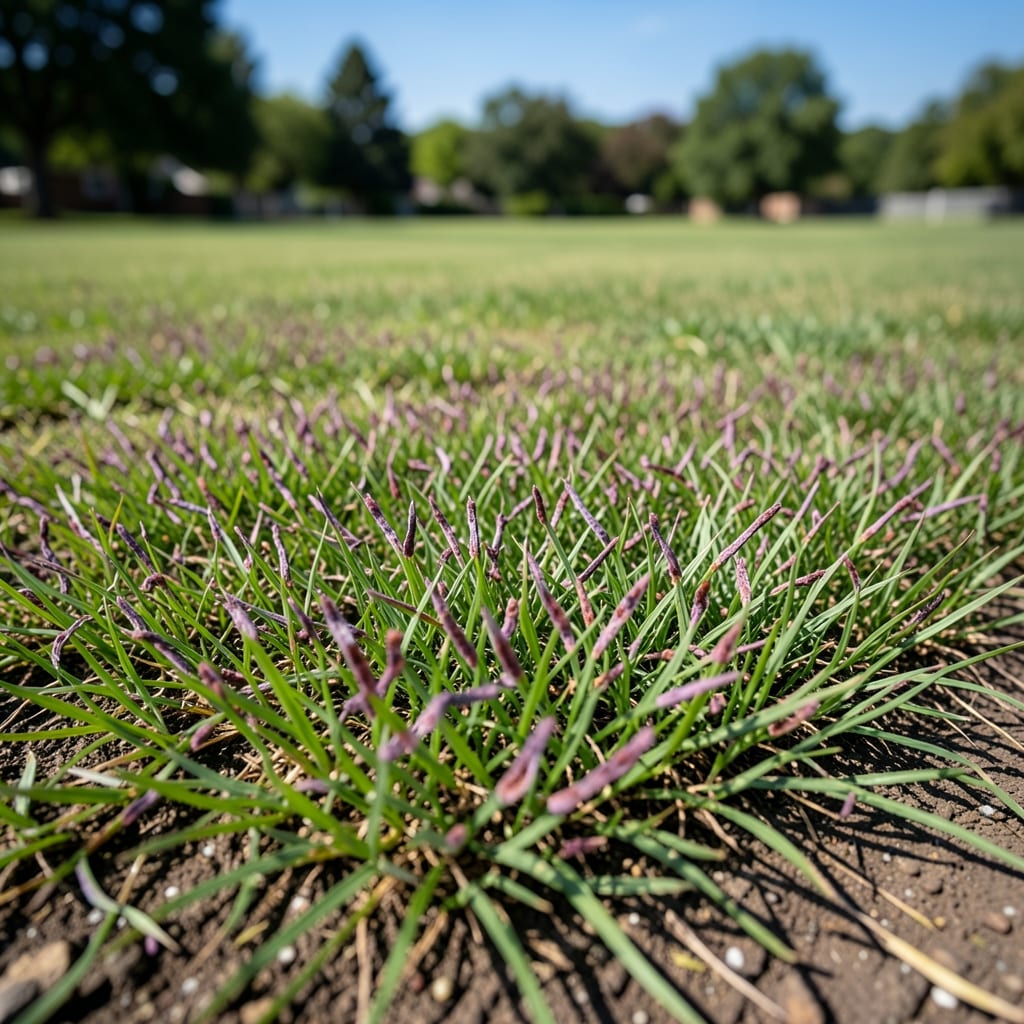
That purple haze on your grass isn’t a pretty sight. I first noticed it last summer—strange, irregular patches that looked like someone had splashed paint across the lawn at night.
It’s not a death sentence for your turf, but ignoring it means the problem spreads. The fungus thrives in wet, humid conditions, especially when lawns stay damp for days without drying out properly.
With the right approach, you can stop it in its tracks. Simple changes to watering habits, better airflow, and targeted treatments bring your grass back to its vibrant green in 2-3 weeks.
Works for any lawn type, any region. Here’s how to spot the early signs and take action before it takes over.
Purple lawn fungus, often caused by Curvularia or Fusarium species, thrives under specific environmental and cultural conditions. Understanding these triggers helps prevent and manage outbreaks effectively.
Overwatering or poor drainage creates a damp environment ideal for fungal growth. Prolonged leaf wetness—especially in the evening or overnight—gives spores the moisture they need to germinate. Action: Water deeply but infrequently, preferably in the early morning, to allow grass to dry quickly.
Warm, humid weather (70–90°F) accelerates fungal development. High humidity slows evaporation, keeping grass blades wet longer. Action: Improve airflow with proper mowing and aeration to reduce humidity buildup.
Over-fertilizing with nitrogen (especially in hot weather) weakens grass, making it more susceptible. Conversely, potassium deficiency reduces plant resistance. Action: Test soil and apply balanced fertilizers; avoid heavy nitrogen in summer.
Thick thatch, compacted soil, or dull mower blades create stress points where fungus can take hold. Action: Aerate annually, dethatch as needed, and sharpen mower blades to prevent tearing grass.
Combating purple lawn fungus starts with identifying the root cause and applying targeted fixes. Below are practical solutions mapped to common triggers, along with prevention tips to keep your lawn vibrant.
If excess moisture is the culprit, reduce watering frequency and switch to deep, infrequent sessions (1–1.5 inches per week). Water early in the morning to allow grass to dry quickly. Pro tip: 💡 Use a rain gauge to track natural precipitation and avoid overdoing it.
Fungus thrives in stagnant, humid conditions. Trim overgrown grass, aerate compacted soil, and rake up thatch to boost circulation. For severe cases, apply a fungicide labeled for purple patch or snow mold. Pro tip: 🌬️ Space out plants and avoid dense mulch to prevent future outbreaks.
Test your soil’s pH and amend it if it’s too acidic or alkaline (aim for 6.0–7.0). Fertilize with a low-nitrogen, high-potassium mix to strengthen grass. Pro tip: ✨ Top-dress with compost to introduce beneficial microbes that outcompete fungus.
Compacted soil traps moisture and stress grass. Use a core aerator to pull plugs of soil, then overseed with fungus-resistant grass varieties like tall fescue or perennial ryegrass. Pro tip: 🎯 Aerate in early fall or spring for best results.
Prevention
No, the fungus itself isn’t toxic to humans or animals. The bigger concern is slipping on the slimy patches it creates. Keep pets and kids off affected areas until the grass dries and the issue is resolved.
Under ideal conditions (warm, wet), patches can double in size within 3-5 days. Early treatment stops the spread quickly, while neglected cases may cover large areas in 2-3 weeks.
It can return if the underlying conditions (excess moisture, poor airflow) aren’t fixed. Apply preventive fungicide in early spring and fall, and maintain proper lawn care habits to keep it gone.
Yes, but clean your mower blades afterward with 10% bleach solution. Mowing spreads spores, so disinfecting tools prevents contaminating healthy parts of your lawn.