
Beautiful Plants For Your Interior
Beautiful Plants For Your Interior
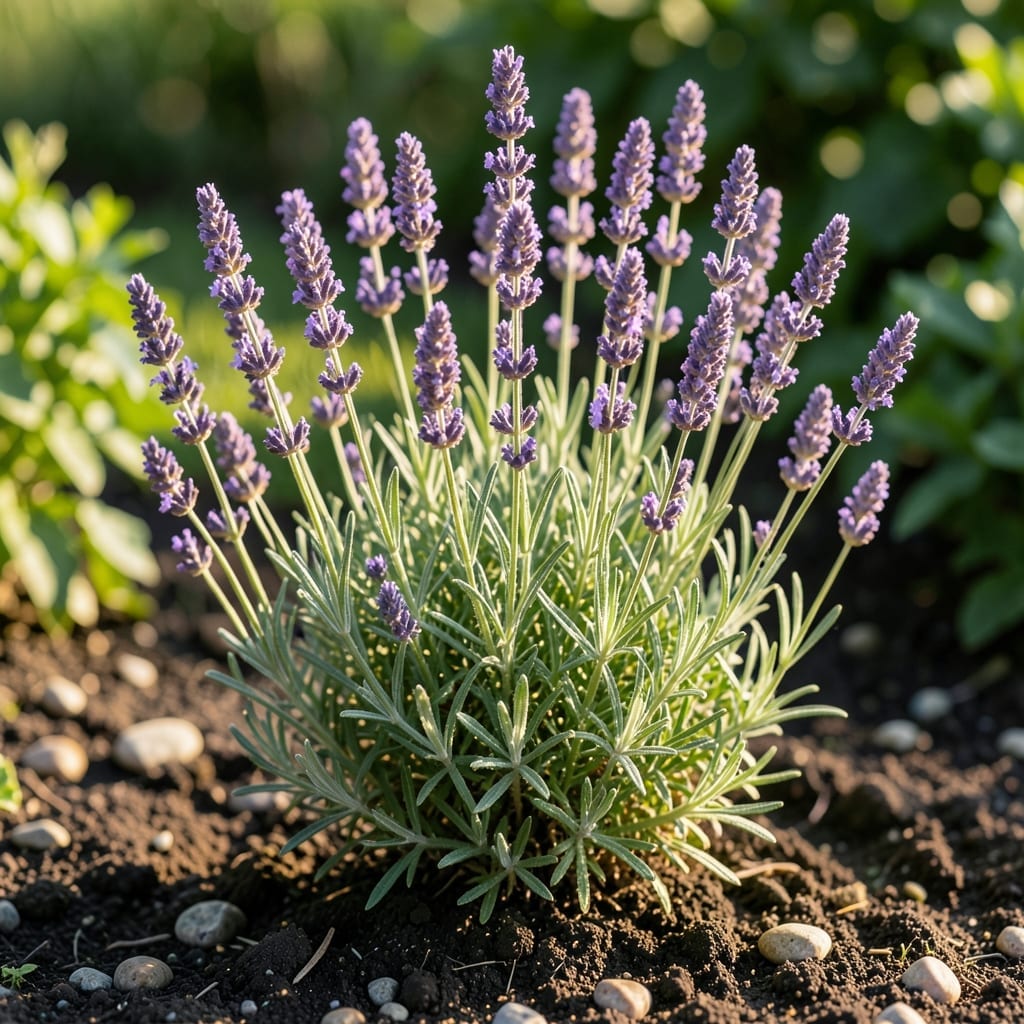
Purple flowers transformed my yard from ordinary to extraordinary last season. The deep violets of alliums and lavender spikes created layers of color that lasted from spring through fall without looking overdone.
I started with just three varieties—cone flowers, catmint, and salvia—then added taller delphiniums for drama. The key was grouping them in odd-numbered clusters for natural-looking waves of purple that drew the eye across the space.
What surprised me most was how these blooms made the green foliage pop even more. The contrast turned my garden into a vibrant, living painting that neighbors actually stopped to admire.
Works in full sun or partial shade, and many of these plants come back bigger and better every year with almost no effort.
Purple flowers appearing in your yard can be a delightful surprise, but understanding why they emerge helps you encourage or manage them. Here are the most common causes:
Many purple flowering plants, like Lupinus (lupines) or Viola (violets), self-seed prolifically. Wind, birds, or small animals carry seeds from neighboring gardens or wild areas into your yard. These seeds germinate when conditions—moisture, sunlight, and soil temperature—align. If your yard has bare patches or disturbed soil, seeds are more likely to take root.
Purple blooms often thrive in specific soil types. For example, Lavandula (lavender) and Salvia (sage) prefer well-drained, slightly alkaline soil. If your yard has these conditions, dormant seeds or existing roots may sprout purple flowers. A soil test can reveal pH and nutrient levels, explaining why certain plants flourish unexpectedly.
Older plantings, even from previous homeowners, can resurface. Perennial purple flowers like Allium (ornamental onion) or Echinacea (cone flower) die back in winter but re-emerge in spring. Bulbs or rhizomes left in the soil may also sprout after years of dormancy, especially if the area was undisturbed.
Bees, butterflies, and other pollinators transfer pollen between plants, sometimes introducing new species. If your yard has a thriving pollinator population, they may inadvertently bring seeds from purple flowers elsewhere, leading to new growth. This is especially common in urban or suburban areas with diverse plant life.
If purple flowers are taking over your yard or struggling to thrive, these targeted fixes will help you regain control and encourage healthy blooms.
Fix: Thin out dense clusters by digging up excess plants or dividing clumps in early spring. Use a sharp spade to separate roots, and replant or share divisions with neighbors. For aggressive spreaders like Liriope or creeping thyme, edge beds with metal or plastic barriers buried 6 inches deep.
Prevention: Plant spreading varieties in containers or designated areas where they can be easily managed. Regularly inspect and prune runners to keep growth in check.
Fix: Check soil moisture—purple flowers like lavender or salvia prefer well-drained soil. If roots are soggy, improve drainage by amending soil with compost or sand. For drought stress, water deeply at the base (not overhead) in the early morning. Fertilize lightly with a balanced, low-nitrogen formula to boost flowers, not foliage.
Prevention: Mulch with gravel or bark to retain moisture and prevent fungal issues. Group plants with similar water needs together for easier care.
Fix: Remove affected leaves or stems immediately to stop the spread of powdery mildew (common in phlox or verbena). Spray with neem oil or a baking soda solution (1 tsp baking soda + 1 quart water + a drop of dish soap) for mild cases. For pests like aphids, blast them off with water or introduce ladybugs as natural predators.
Prevention: Space plants properly for airflow, and avoid overhead watering. Rotate plantings yearly to disrupt pest and disease cycles.
💡 Pro Tip: Deadhead spent blooms regularly to encourage more flowers and prevent self-seeding chaos!
Start with low-maintenance options like lavender, catmint, or purple coneflower. These thrive in various conditions and require minimal care. They also attract pollinators!
Deadhead spent blooms regularly and fertilize lightly with a balanced formula. Water deeply at the base in the morning for best results.
Some varieties like creeping thyme or liriope can spread aggressively. Use edging barriers or plant in containers to control growth.
Most purple flowers thrive in well-drained, slightly alkaline soil. Amend heavy clay with compost or sand to improve drainage.