
Beautiful Plants For Your Interior
Beautiful Plants For Your Interior
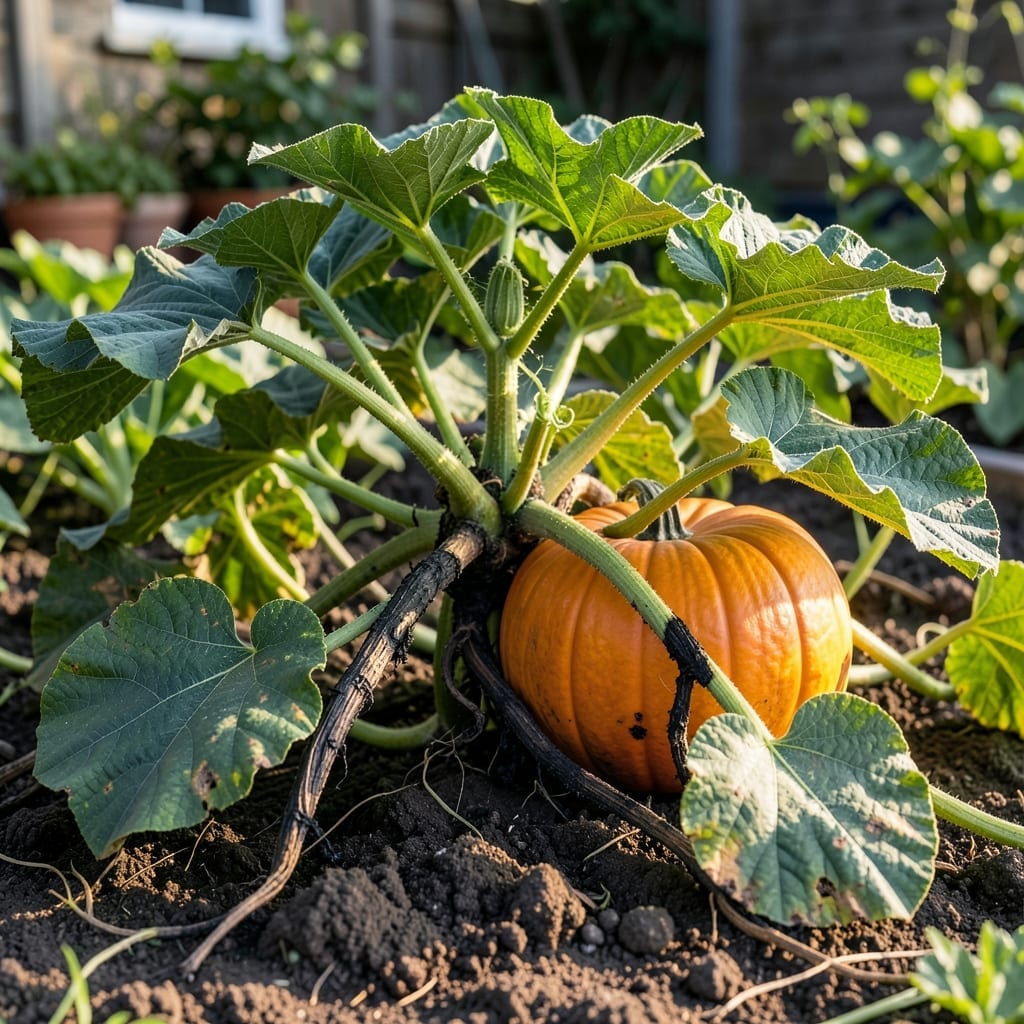
That sinking feeling when you spot a soft, blackened stem on your prize pumpkin vine. I’ve lost entire crops to stem rot, and the worst part is it often starts silently before you notice the damage.
Early detection is your best defense—look for wilting leaves, discolored patches, or a mushy base where the stem meets the soil. Catching it early can save the plant, but prevention is even better.
Simple changes like improving drainage, avoiding overwatering, and rotating crops can stop this problem before it starts. Healthy soil and good airflow make all the difference.
With the right approach, you can grow strong, productive pumpkins that resist rot and thrive until harvest. Here’s how to keep your vines safe all season.
Understanding why pumpkin stem rot occurs is the first step toward preventing it. This frustrating issue often stems from a combination of environmental, fungal, and cultural factors. Below are the primary causes, explained in detail to help you safeguard your pumpkin patch.
Stem rot in pumpkins is frequently caused by fungal infections, particularly species like Phytophthora and Fusarium. These pathogens thrive in wet, poorly drained soil and can enter the plant through wounds or natural openings. Overwatering or heavy rainfall creates ideal conditions for fungal spores to spread, leading to decay at the stem base.
Pumpkins are susceptible to rot when exposed to prolonged moisture. Overhead watering, poor soil drainage, or high humidity can saturate the stem, weakening its defenses. Soggy conditions also encourage fungal growth, accelerating the rotting process. Mulching can help, but improper application (e.g., piling mulch against the stem) may trap moisture and worsen the issue.
Crowded planting or dense foliage restricts airflow around pumpkin vines, creating a humid microclimate. This stagnant air promotes fungal spores’ settlement on stems, increasing rot risk. Ensure plants are spaced according to variety recommendations (typically 2–3 feet apart) to allow for proper ventilation.
While pumpkins love warmth, fluctuating temperatures—especially sudden cold snaps—can stress plants, making stems more vulnerable to pathogens. Similarly, excessive heat combined with drought can weaken the plant’s natural resistance, leaving it prone to secondary infections.
Reusing soil from a previously infected crop without proper rotation or sterilization can reintroduce fungal spores. Pumpkins are heavy feeders, and depleted or contaminated soil lacks the nutrients needed to fend off diseases. Practice crop rotation (avoid planting pumpkins in the same spot for at least 3 years) and consider soil testing to monitor health.
Stem rot can quickly derail your pumpkin patch, but with quick action, you can save your plants. Below are targeted fixes for the most common causes, paired with prevention tips to keep your pumpkins thriving.
If excess moisture or poor airflow is to blame, start by pruning dense foliage to let sunlight and air reach the stems. Remove any infected plant parts immediately and dispose of them far from the garden. Apply a copper-based fungicide or neem oil spray to the remaining plants, focusing on the base of the stems. Water at the soil level to keep leaves dry.
Squash bugs, vine borers, and other pests weaken stems, inviting rot. Inspect the base of plants for eggs or larvae and handpick them off. For severe infestations, apply insecticidal soap or pyrethrin-based sprays at dusk. Wrap the lower stem with aluminum foil to deter pests from laying eggs.
Too much water suffocates roots and encourages rot. Let the top 1–2 inches of soil dry out between waterings. If your soil is heavy clay, amend it with compost to improve drainage. For container-grown pumpkins, ensure pots have drainage holes and elevate them to prevent waterlogging.
Weak or nutrient-deficient soil stresses plants, making them susceptible to rot. Test your soil and amend it with compost or well-rotted manure to improve structure and fertility. Avoid high-nitrogen fertilizers, which promote leafy growth at the expense of stem strength.
💡 Pro Tip: Early intervention is key! Check stems weekly for softness, discoloration, or oozing—signs that it’s time to act fast.
Early symptoms include wilting leaves during the day and soft, dark spots at the stem base. The stem may appear water-soaked or develop white fungal growth. Catching these signs early can prevent the rot from spreading to healthy vines.
Yes, excessive moisture creates the perfect environment for fungal growth. Soggy soil suffocates roots and weakens the stem’s defenses. Always let the top 1-2 inches of soil dry out between waterings to prevent this.
Remove and destroy affected plant parts immediately to stop the spread. Apply a copper-based fungicide or neem oil to the remaining plant. Improve airflow by pruning dense foliage and adjusting watering habits.
Rotate crops yearly and avoid planting pumpkins in the same spot for at least 3 years. Amend soil with compost and use drip irrigation to keep foliage dry. Proper spacing of 3-4 feet between plants also helps.