
Beautiful Plants For Your Interior
Beautiful Plants For Your Interior
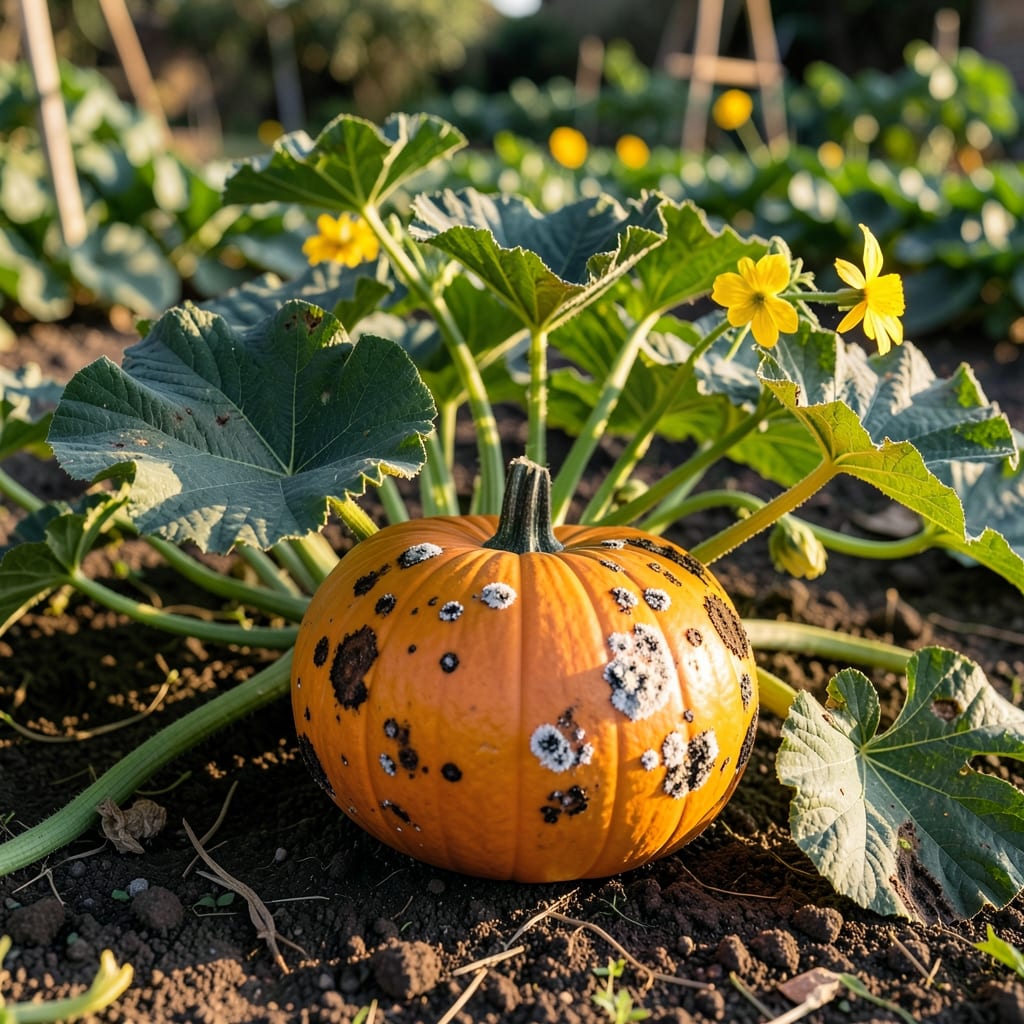
That white powder on your pumpkin vines isn’t frost. It’s head mold, and catching it early saves your entire harvest.
I lost a third of my crop last season before realizing those fuzzy patches were the first warning sign. This fungus spreads fast in warm, wet conditions, turning healthy fruits into rotting messes overnight.
Prevention beats treatment every time. Good airflow, proper spacing, and weekly leaf inspections stop this before it starts. Copper fungicides work if you catch it in the first 48 hours.
Works for all squash varieties, not just pumpkins. Here’s how to spot it before it’s too late.
The development of pumpkin head mold is often tied to environmental and biological factors. Understanding these causes can help you prevent its occurrence in your crops. Below are the primary reasons why this issue arises.
High humidity and prolonged wetness create the perfect breeding ground for fungal spores. When pumpkins are exposed to excessive moisture—whether from rain, poor drainage, or overwatering—their surfaces remain damp, encouraging mold growth. Fungi thrive in these conditions, especially when temperatures are moderate.
Stagnant air traps moisture around the pumpkins, accelerating mold formation. Dense planting or lack of spacing between vines reduces airflow, leading to localized humidity. Proper pruning and spacing can mitigate this by allowing air to circulate freely, reducing the risk of fungal infections.
Decaying leaves, stems, or other plant matter on the soil surface can harbor mold spores. As these materials break down, they release nutrients that feed fungi. Keeping the growing area clean and removing debris promptly minimizes the chances of spores taking hold.
Certain fungi, like Fusarium or Phytophthora, are known to cause mold on pumpkins. These pathogens can spread through contaminated soil, water, or tools. Using disease-resistant pumpkin varieties and practicing crop rotation can help break the cycle of infection.
Once you spot pumpkin head mold, act fast to save your crop. Below are targeted fixes for the most common causes, plus tips to keep it from coming back.
Fix: Reduce watering immediately and check soil moisture with your finger—only water when the top inch is dry. Improve drainage by amending soil with compost or sand. If using containers, ensure they have drainage holes.
Prevention: Water at the base of the plant in the morning to allow foliage to dry quickly. Use drip irrigation to avoid wetting the leaves.
Fix: Remove affected leaves with clean scissors and dispose of them in the trash (not compost). Apply a copper-based fungicide or a homemade mix of 1 tsp baking soda + 1 quart water + a few drops of dish soap. Spray every 5–7 days until the issue clears.
Prevention: Space plants 2–3 feet apart for airflow. Rotate crops yearly to prevent fungal buildup in the soil.
Fix: Thin out dense foliage to improve air circulation. If growing in a greenhouse, use a fan to keep air moving. For outdoor plants, avoid planting in low-lying, damp areas.
Prevention: Prune vines regularly and stake plants to elevate them off the ground. Choose well-ventilated spots for future plantings.
🌿 Sanitize your tools after handling infected plants to avoid spreading spores. A quick wipe with rubbing alcohol works!
Look for white, powdery spots on leaves or stems first. These often appear before the fruit shows signs. Check undersides of leaves weekly, especially after rain.
Some varieties are more resistant than others. Heirloom types often show symptoms sooner. Choose disease-resistant seeds if this is a recurring problem in your garden.
If the mold is only on the surface, cut off the affected area with a 1-inch buffer. Never consume moldy portions. When in doubt, discard the whole pumpkin.