
Beautiful Plants For Your Interior
Beautiful Plants For Your Interior
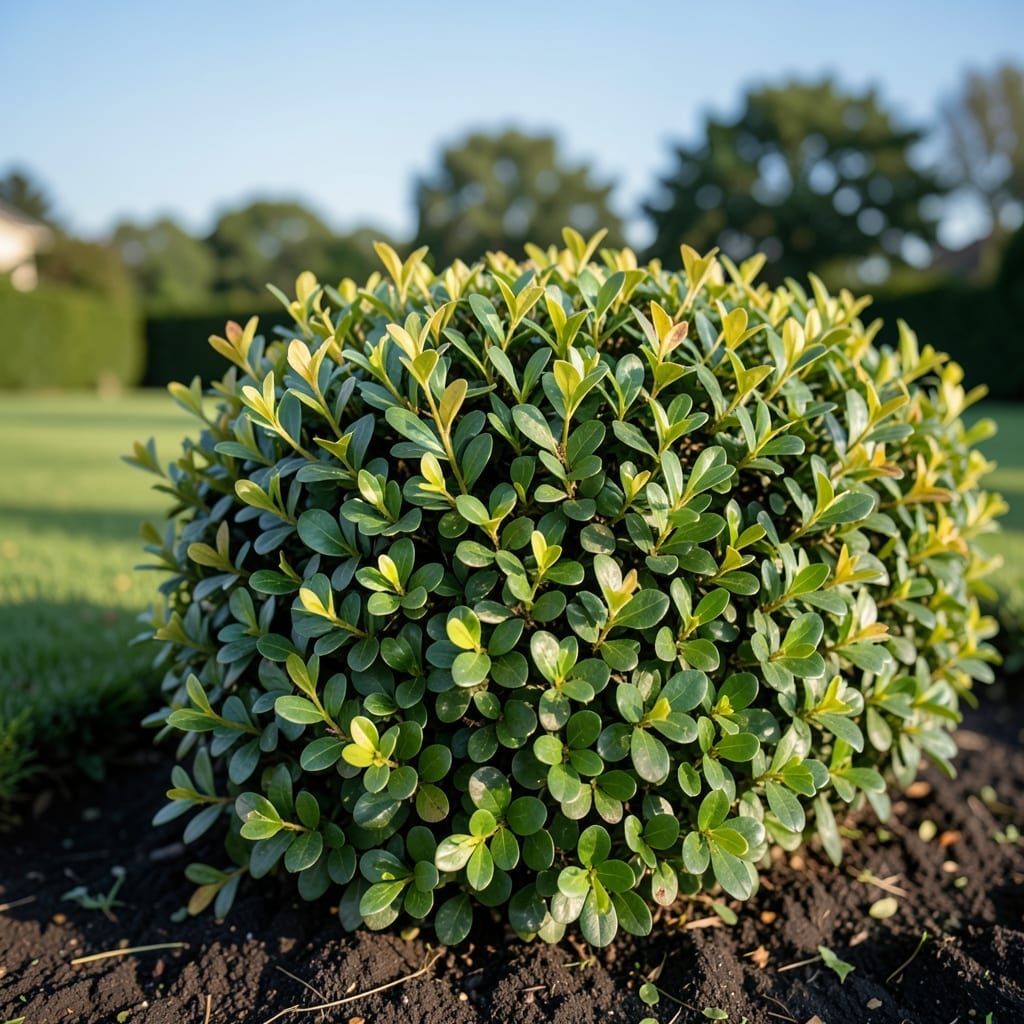
Yellow leaves on your privet aren’t just unsightly—they’re a distress signal. I’ve seen this happen when roots sit in soggy soil or when the plant’s begging for iron. The pattern of yellowing tells you exactly what’s wrong.
Some leaves turn pale between the veins, others go fully yellow and drop off. One case points to nutrient deficiency, the other to overwatering. I once lost a hedge because I misread these signs for 3 weeks.
Recovery starts with fixing the soil. Drainage improves with compost, and a simple soil test reveals missing nutrients. Most privets bounce back within 2-3 weeks of the right treatment.
Prevention means consistent care. Water deeply but less often, and fertilize in spring before the yellowing starts. Your hedge will thank you with vibrant green growth all season.
Privet leaves turn yellow due to several stress factors, each disrupting the plant’s ability to produce chlorophyll. Below are the most common causes, explained with actionable insights.
Yellowing often signals a lack of nitrogen (uniform pale yellow) or iron (interveinal chlorosis on young leaves). Nitrogen is mobile, so older leaves yellow first. Iron deficiency, common in alkaline soils, blocks chlorophyll synthesis. Fix: Test soil pH (aim for 6.0–7.0) and apply a balanced fertilizer or iron chelates.
Soggy roots suffocate, preventing nutrient uptake. Symptoms include yellowing leaves plus wilted or blackened stems. Privets prefer moist but well-draining soil. Fix: Check drainage, reduce watering frequency, and amend heavy clay with organic matter.
Extreme heat, drought, or sudden cold snaps trigger leaf yellowing as the plant conserves resources. Drought stress often causes crispy yellow edges. Fix: Mulch to retain moisture, water deeply during dry spells, and shield plants from harsh afternoon sun or frost.
Sap-sucking pests like aphids or scale insects deplete nutrients, causing stippled yellow patterns. Look for sticky residue (honeydew) or visible bugs on leaf undersides. Fix: Blast off pests with water or apply horticultural oil/neem oil for severe cases.
Pathogens like powdery mildew or root rot (from Phytophthora) disrupt photosynthesis. Mildew appears as white powder; root rot causes yellowing and stunted growth. Fix: Improve airflow, avoid overhead watering, and treat with fungicides (copper-based for mildew, mefenoxam for root rot).
If your privet’s leaves are turning yellow, don’t panic—there’s usually a straightforward fix. Below are targeted solutions for the most common causes, along with prevention tips to keep your shrub vibrant and healthy.
Fix: Check the soil moisture by sticking your finger 2 inches deep. If it’s soggy, stop watering immediately. Improve drainage by mixing in compost or sand, or consider transplanting to a raised bed. Trim any blackened, mushy roots to prevent rot.
Prevention: Water only when the top 1-2 inches of soil are dry. Use a well-draining potting mix if growing in containers. 💡 Pro tip: A layer of mulch can help regulate moisture without waterlogging.
Fix: Yellow leaves with green veins often signal iron or nitrogen deficiency. Apply a balanced, slow-release fertilizer (10-10-10) or a chelated iron supplement for iron chlorosis. Follow package instructions for dosage.
Prevention: Feed privets with a general-purpose fertilizer in early spring and mid-summer. Test your soil every 2-3 years to monitor nutrient levels. 🌱
Fix: Inspect the undersides of leaves for aphids, scale, or spider mites. Blast them off with a strong stream of water or apply insecticidal soap or neem oil. Repeat every 5-7 days until pests are gone.
Prevention: Encourage beneficial insects like ladybugs by planting companion flowers. Keep the area around your privet clean and free of debris. ✨
Fix: If yellowing follows extreme heat, cold, or transplant shock, provide temporary shade (for heat) or a frost cloth (for cold). Trim back stressed foliage to redirect energy to healthy growth.
Prevention: Plant privets in a location with partial shade in hot climates. Acclimate new plants gradually to their environment. 🎯
Address the issue early, and your privet should bounce back with lush, green leaves in no time!
With proper treatment, new growth should appear within 2-3 weeks. Older yellow leaves may not recover, but the plant will produce fresh green ones. Consistency in care speeds up the process.
Yes, intense sunlight can scorch leaves, especially in hot climates. Provide afternoon shade and ensure adequate watering. Mulching helps retain soil moisture.
Yes, chelated iron supplements are safe and effective for treating iron deficiency. Follow the package instructions carefully to avoid over-application. Test soil pH first for best results.