
Beautiful Plants For Your Interior
Beautiful Plants For Your Interior
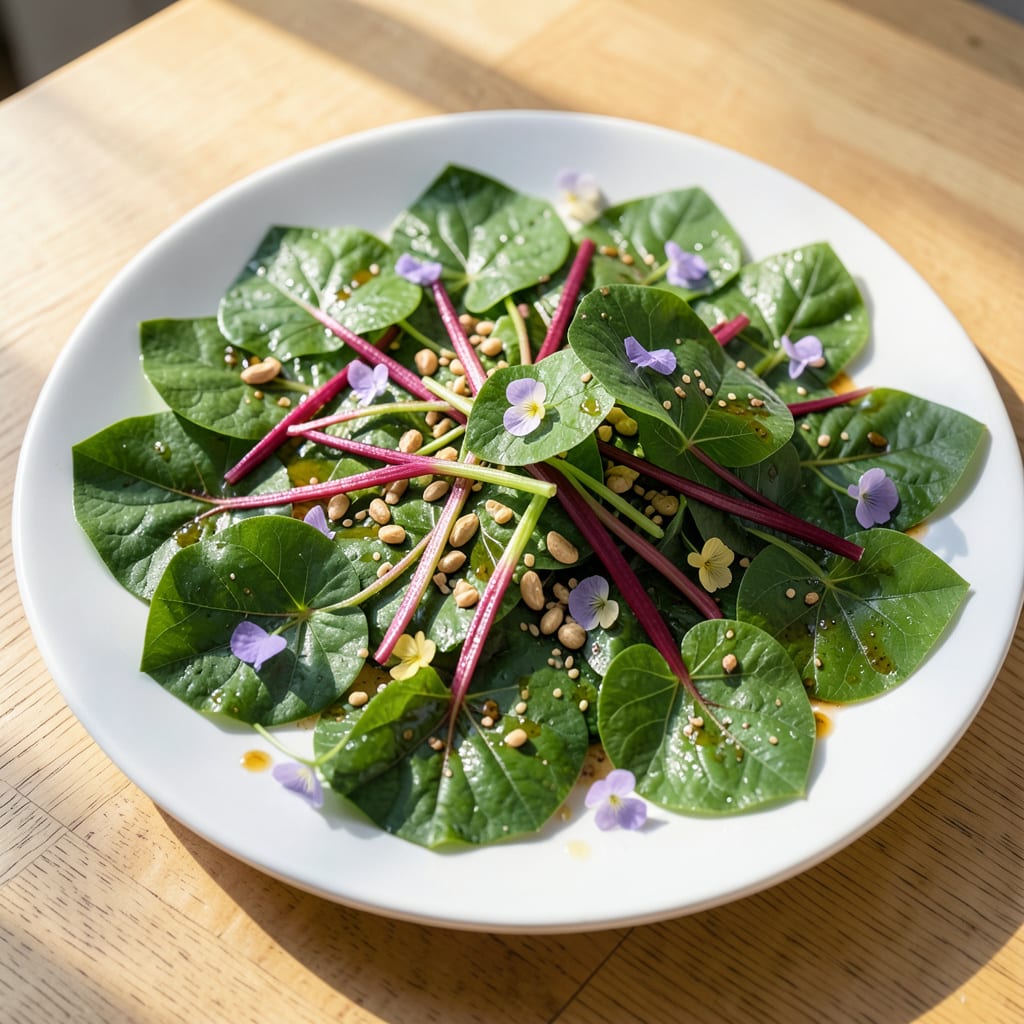
Those first tender morning glory leaves are a garden revelation. I spotted mine unfurling last spring—heart-shaped, bright green, and packed with potential for both beauty and harvest.
Identifying them early means you can encourage fuller growth or carefully pluck a few for cooking. They emerge soft and slightly fuzzy, ready to climb or thrive in your kitchen with the right care.
📚 In This Guide
Here’s how I safely spot and pick the tender greens at just the right stage for eating.
Young morning glory leaves are ready when they’re 2-4 inches long with a vibrant green color and smooth texture. Older leaves develop a tougher, slightly fuzzy surface that’s bitter and stringy. I look for the first 5-6 true leaves that appear after the initial seed leaves (cotyledons) have fully unfurled.
The stems should still be tender enough to snap easily between your fingers. If you see the characteristic trumpet-shaped flowers forming, you’ve waited too long—the leaves become inedible once the plant shifts energy to blooming. Morning glories grow quickly, so check daily once sprouts emerge.
Harvest in the early morning after the dew has dried but before the heat of the day sets in. This is when the leaves contain the highest moisture content and the lowest concentration of bitter compounds. The plants are most turgid at this time, making the leaves crisp and flavorful.
Avoid picking during the hottest part of the afternoon—the leaves will be wilted and the plant stressed. If you must harvest later, give the plants a deep watering the evening before to ensure they’re well-hydrated. I carry a small basket lined with a damp cloth to keep the leaves fresh during collection.
Grasp the stem just above a leaf node (where leaves emerge) and snap it off cleanly with your fingernails. Never pull the leaf directly, as this can damage the main stem. For a more precise cut, use clean, sharp scissors to snip the stem just above the node at a 45-degree angle.
Harvest no more than one-third of the plant’s leaves at a time to avoid stressing it. I start from the outer leaves and work inward, always leaving the newest growth at the center untouched. This encourages bushier growth and ensures a continuous supply throughout the growing season.
Before consuming, examine each leaf carefully for signs of pests or damage. Discard any leaves with holes, chewed edges, or discoloration. Morning glories can host aphids and spider mites, which often cluster on the undersides of leaves, so check both surfaces thoroughly.
Rinse the leaves gently under cool running water to remove any dirt or tiny insects. Pat them dry with a clean towel or let them air-dry on a paper towel. I avoid soaking the leaves, as this can leach out some of their delicate flavor. Store unwashed leaves in a sealed container in the refrigerator for up to 3 days.
Morning glories respond well to regular harvesting by producing more leaves. I make it a habit to check my plants every 2-3 days during peak growing season. The more you harvest, the more the plant will branch out and produce new growth.
Stop harvesting about 2 weeks before the first expected frost to allow the plant to prepare for dormancy. As the season progresses, you’ll notice the leaves becoming tougher—this is your signal to slow down. The plant’s energy shifts to seed production in late summer, so the window for tender leaves is limited to early to mid-season.
Here are the details that make harvesting foolproof and rewarding.
Timing is Everything: In Step 2, harvesting in the early morning after dew dries ensures the leaves are at their peak crispness and flavor. This window also minimizes bitter compounds, which increase as the day heats up. I set my alarm to catch this sweet spot.
Size and Texture Matter: For Step 1, stick to leaves that are 2-4 inches long with a smooth surface. Anything larger or fuzzy means the plant has started producing those tough, bitter compounds. Trust me, your fingers will notice the difference when snapping stems.
Harvesting Technique: In Step 3, snapping stems just above the leaf node at a 45-degree angle keeps the plant healthy. I learned the hard way that pulling leaves directly can damage the main stem, reducing future growth. Sharp scissors work just as well if you prefer precision.
Storage Wisdom: After Step 4, store unwashed leaves in a sealed container in the fridge. They’ll stay fresh for up to 3 days, but I’ve found they’re best used within 48 hours for maximum flavor and texture.
Yes! Young leaves of sweet potato morning glory (Ipomoea batatas) are edible and nutritious . Avoid ornamental varieties, as some may be toxic. Always cook them to reduce mild toxins.
Harvest in the morning when leaves are fresh and tender. Pick the top 2-3 leaves from each vine, leaving the rest to grow. Early summer is ideal for the best flavor.
They’re great sautéed, steamed, or added to soups and stir-fries . Treat them like spinach—they wilt quickly and pair well with garlic, olive oil, or soy sauce.
Bitterness can signal older leaves or insufficient cooking. Harvest only young, tender leaves and boil or blanch them first to mellow the flavor.
