
Beautiful Plants For Your Interior
Beautiful Plants For Your Interior
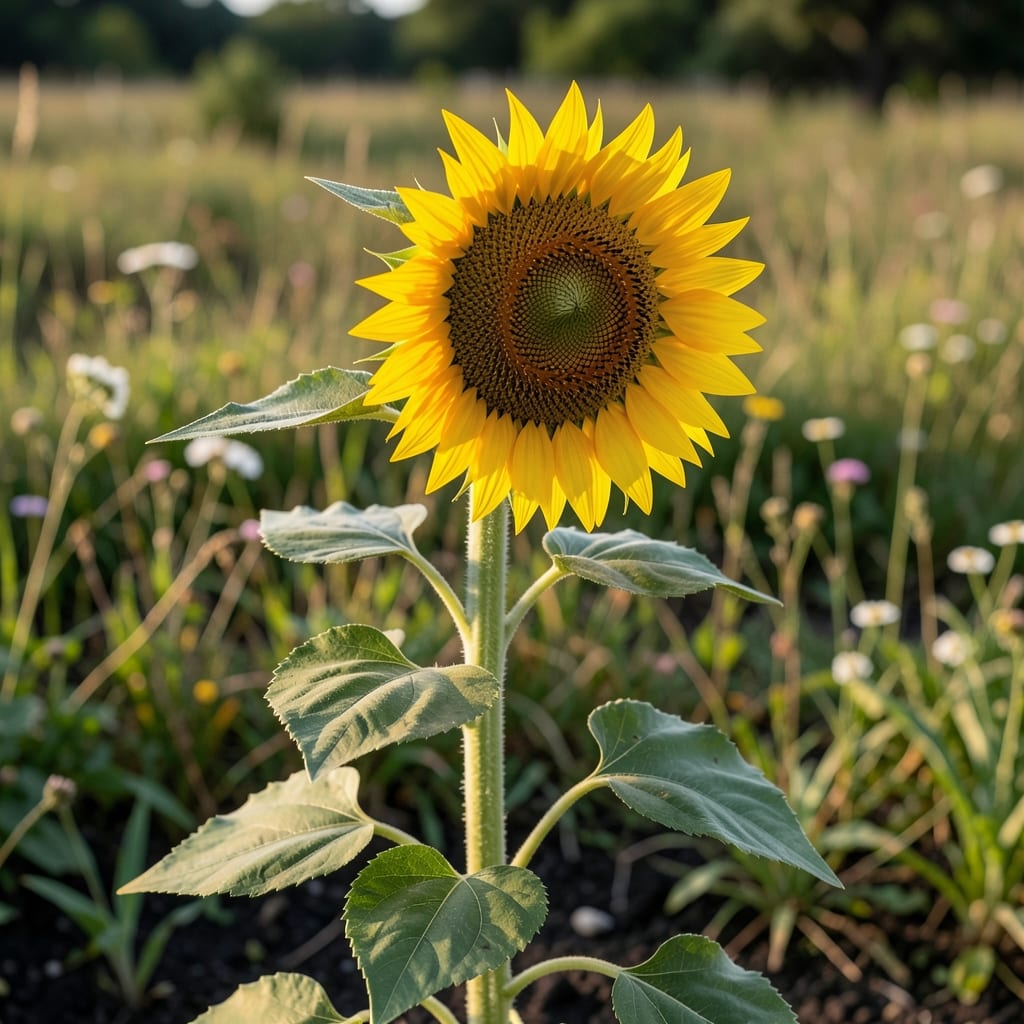
Those bold, rough leaves are the solar panels of your prairie sunflower. 🌿 I learned the hard way that healthy foliage means stronger stems and bigger blooms—not just pretty faces.
Get the light and water right, and you’ll see deep green leaves that power 3-4 foot plants loaded with golden flowers. The secret is giving them room to spread without crowding their neighbors.
📚 In This Guide
Here’s my go-to method for vibrant, disease-resistant foliage that thrives in any garden.
Prairie sunflowers love full sun—at least 6-8 hours daily. I always pick a spot with well-draining soil, as soggy roots turn leaves yellow overnight. Look for slightly sandy or loamy earth; if your soil is heavy clay, amend with compost to improve drainage.
Watch for wind exposure, too. Tall sunflower stems can snap in gusts, and battered leaves show stress quickly. A spot near a fence or building offers protection without blocking sunlight.
Sow seeds ½ inch deep and 12-18 inches apart—crowding leads to weak stems and small leaves. I plant in groups of three, spacing each group 2 feet apart to allow airflow between mature plants. This prevents fungal issues that spot or brown your foliage.
For transplants, dig a hole twice as wide as the root ball. Gently loosen the roots before planting to encourage outward growth. Water immediately after planting, but avoid soaking the leaves—wet foliage invites powdery mildew.
Established plants need water only when the top 1-2 inches of soil feel dry to the touch. I water at the base in the early morning, giving the soil a thorough soak. Shallow, frequent watering produces weak roots and floppy leaves.
During peak summer heat, you might need to water every 3-4 days. But here’s the thing—if leaves start drooping in the afternoon heat, don’t panic. They often perk up by evening. Overwatering is far more dangerous than brief dryness.
If leaves turn pale green or yellow between veins, your plants need more nitrogen. I mix in a balanced fertilizer once in early summer, but avoid overdoing it—too much nitrogen produces lush leaves at the expense of flowers.
Watch the leaf orientation, too. If leaves are constantly angled toward one direction, your plants need more even light distribution. Rotate container-grown specimens weekly to prevent lopsided growth.
Pinch back the growing tips when plants reach 12 inches tall to encourage bushier growth with more leaves. I do this in early summer before flower buds form. Use clean, sharp scissors to avoid tearing the stems.
Remove any yellow or brown leaves immediately—they won’t recover and can spread problems to healthy foliage. Real talk: deadheading spent blooms isn’t just for looks; it redirects energy back into leaf production.
Here are the key insights that’ll help your foliage thrive without the guesswork.
Sunlight Essentials: That 6-8 hours of daily full sun isn’t just a suggestion—it’s critical for vibrant leaves. I learned the hard way that even partial shade can lead to leggy stems and pale foliage. A south-facing spot is ideal, but east or west works if you get those minimum hours.
Spacing Strategy: Crowding is the enemy of healthy leaves. Stick to the 12-18 inches apart guideline for seeds, and remember that 2 feet between groups allows the airflow that prevents fungal issues. This spacing also gives roots room to spread, which means stronger stems and lusher foliage.
Watering Wisdom: The top 1-2 inches of soil test is your best friend. I use my finger to check—if it comes out dry, it’s time to water deeply at the base. During those 3-4 day summer stretches, morning watering gives plants time to absorb moisture before the heat kicks in.
Pruning Pro Tip: Don’t skip pinching back at 12 inches tall. This simple step forces the plant to branch out, giving you denser foliage. I use sharp scissors and make clean cuts just above a leaf node to encourage new growth. Between us, this is what separates mediocre plants from showstoppers.
Yes, young prairie sunflower leaves are edible and can be eaten raw or cooked, similar to spinach. However, older leaves may become tough and bitter, so harvest them early for the best flavor and texture.
Harvest leaves in the morning when they’re fresh and tender, ideally before the plant blooms. This ensures the best taste and nutrient content. Avoid picking leaves after heavy rain or drought stress.
Watch for aphids, beetles, and leaf miners, which can damage the foliage. Use organic pest control methods like neem oil or hand-picking to manage infestations without harming the plant.
Absolutely! Dried leaves make excellent mulch, helping retain soil moisture and suppress weeds. Chop them finely to speed up decomposition and improve soil health naturally.