
Beautiful Plants For Your Interior
Beautiful Plants For Your Interior
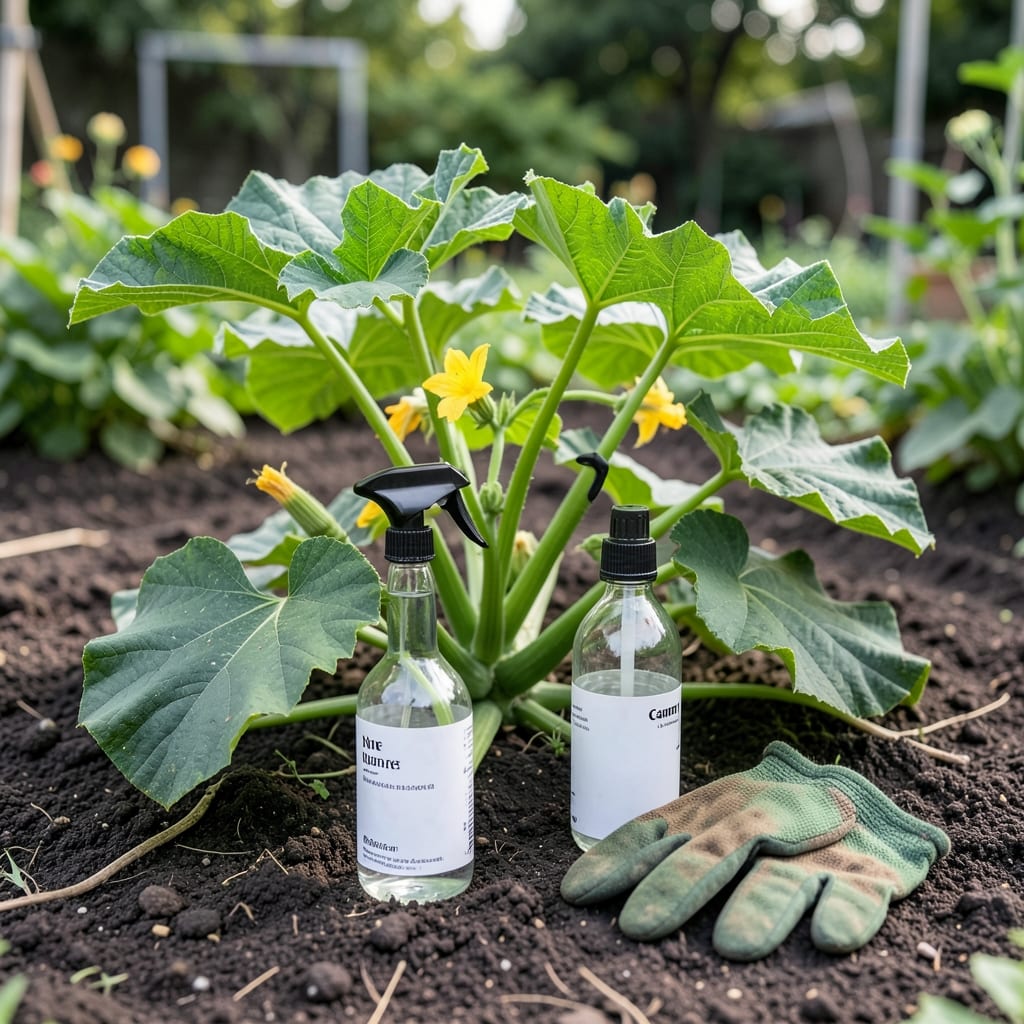
That white dust on your leaves isn’t just dirt. Powdery mildew spreads fast, but I’ve stopped it in its tracks with simple, organic fixes that protect plants without harsh chemicals.
It thrives in crowded, damp spaces—so proper airflow and spacing are your first line of defense. I learned this the hard way after losing a whole row of zucchini to this silent killer.
Resistant varieties and a quick homemade spray can save your garden before the problem starts. The solution takes 5 minutes to apply and works on everything from roses to cucumbers.
No fancy equipment, no toxic sprays—just healthy plants that look as good as they grow. Here’s how to keep your garden mildew-free all season.
Powdery mildew is a common fungal disease that affects a wide range of plants, from ornamentals to edibles. Understanding why it occurs is the first step in effective powdery mildew prevention. Here are the primary causes:
Powdery mildew thrives in environments with high relative humidity (60-90%), but unlike many fungi, it doesn’t require wet foliage to spread. The spores germinate when humidity is elevated, particularly in stagnant air with poor circulation. This is why crowded plantings or indoor gardens with limited airflow are especially vulnerable.
The fungus flourishes in moderate to warm temperatures (60–80°F / 15–27°C). While it can survive in cooler conditions, these temperature ranges accelerate spore production and infection. Daytime warmth combined with cool, dewy nights creates the perfect storm for outbreaks.
Unlike downy mildew, powdery mildew does not need free water on leaves to infect plants. Instead, it prosperes when leaf surfaces are dry but the surrounding air holds moisture. This is why drought-stressed plants or those in shaded, humid microclimates often fall victim.
Some plants are genetically more prone to infection, including roses, cucumbers, squash, phlox, and grapes. Young, tender growth is especially vulnerable, as the fungal spores easily penetrate soft tissues. Over-fertilizing with nitrogen can also promote lush, weak growth that’s more susceptible.
Stagnant air traps moisture and spores, allowing the fungus to spread unchecked. Dense plantings, overhead obstructions, or lack of pruning reduce airflow, creating a haven for powdery mildew. Even well-watered plants in breezy areas can succumb if air doesn’t move freely between them.
Powdery mildew can be stubborn, but these targeted fixes will help you reclaim your garden’s health. Address the root causes with these practical solutions, and keep your plants thriving.
Trim overcrowded foliage to allow air to flow freely between plants. Space seedlings properly at planting time, and prune dense canopies to reduce humidity buildup. Prevention tip: Arrange plants with at least 12–18 inches of space to discourage fungal growth.
Water plants at the base in the early morning so leaves dry quickly in the sun. Avoid overhead watering, especially in the evening. Prevention tip: Use drip irrigation or soaker hoses to keep foliage dry and reduce infection risk.
Run a small fan on low near susceptible plants to improve circulation. In greenhouses, open vents or use a dehumidifier. Prevention tip: Mulch with straw or wood chips to prevent soil splashing onto leaves, which can spread spores.
Apply a baking soda spray (1 tsp baking soda + 1 quart water + a few drops of dish soap) weekly as a natural fungicide. For severe cases, use neem oil or sulfur-based sprays. Prevention tip: Rotate crops annually and choose mildew-resistant varieties when possible.
Prune and discard affected leaves immediately—do not compost them, as this can spread spores. Sterilize pruning tools with rubbing alcohol between cuts. Prevention tip: Inspect plants weekly for early signs of white, powdery spots.
With consistent care and these proactive steps, you can keep powdery mildew at bay and enjoy a lush, healthy garden all season long.
Watch for white, powdery spots on upper leaf surfaces, especially on new growth. Leaves may also curl or turn yellow as the infection progresses.
Yes! Prune dense foliage to improve airflow and reduce humidity around plants. Space plants 12–18 inches apart for best results.
A baking soda spray (1 tsp baking soda + 1 quart water + dish soap) works well as a natural fungicide. Apply weekly for prevention.
It thrives in dry foliage with moist air—so high humidity alone is enough. Warm temps 60–80°F speed up its spread.