
Beautiful Plants For Your Interior
Beautiful Plants For Your Interior
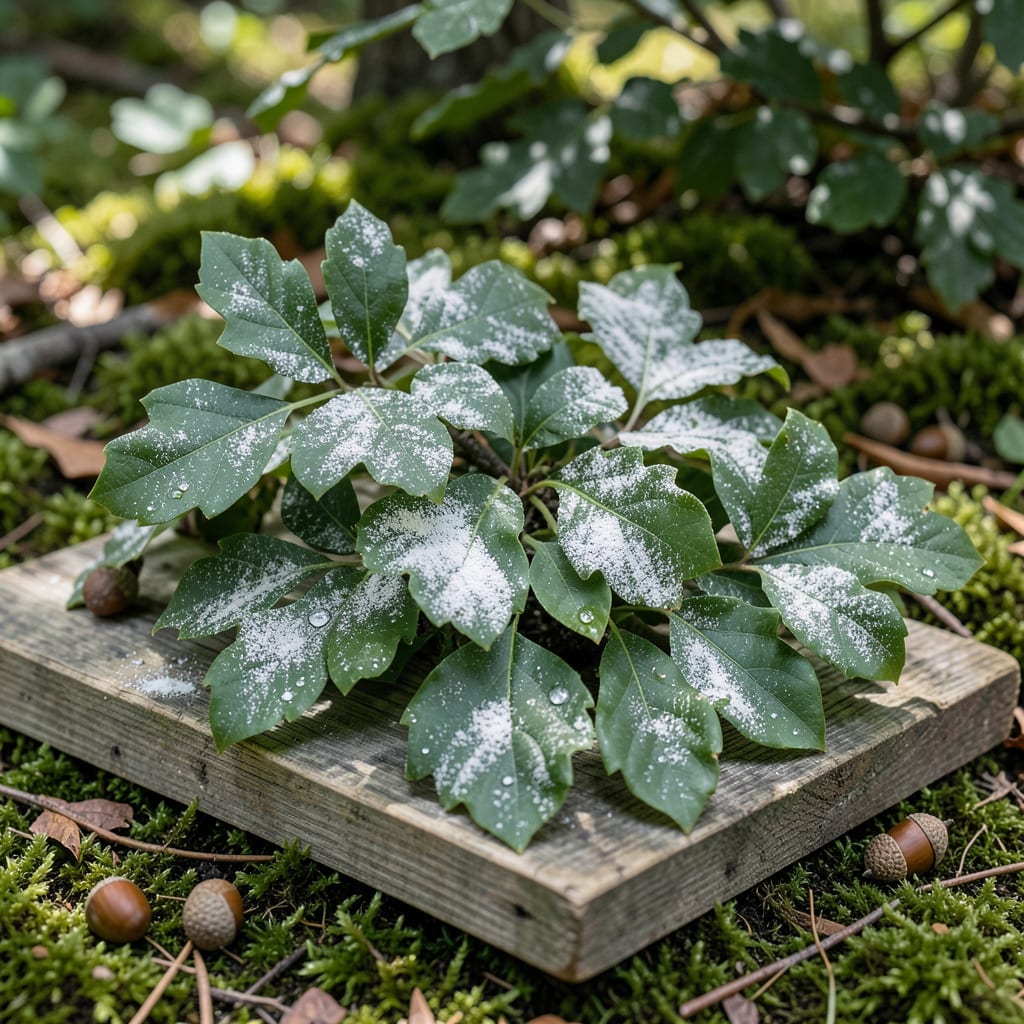
White dust on your tree leaves isn’t just unsightly—it’s powdery mildew stealing your tree’s health. I’ve battled this fungal foe across my orchard and learned it’s both preventable and treatable without harsh chemicals.
The key is catching it early before it spreads. Proper spacing between trees, good air circulation, and removing fallen leaves breaks the disease cycle. Even established trees can bounce back with the right approach.
You’ll see new growth returning to its vibrant green within weeks of treatment. The best part? These natural solutions work for most tree species, from fruit trees to ornamentals.
No fancy equipment needed—just consistency and a watchful eye. Here’s how to reclaim your trees’ health.
Powdery mildew on trees thrives under specific environmental and biological conditions. Understanding these triggers helps in both prevention and control. Below are the primary causes, explained with actionable insights:
The fungus Erysiphales (responsible for powdery mildew) spores germinate in 60–80% relative humidity, but critically, they require dry leaf surfaces. Unlike other fungal diseases, free water on leaves inhibits infection. Warm days (70–80°F) followed by cool, dewy nights create the perfect storm for spore growth.
Dense canopies or overcrowded plantings restrict airflow, trapping moisture and creating microclimates ideal for spores. Trees in shaded, stagnant areas or those pruned improperly (e.g., topping cuts that encourage bushy regrowth) are especially vulnerable. Solution: Thin branches annually to improve ventilation.
Some trees are genetically predisposed, including:
Check local extension guides for region-specific vulnerable species.
Watering from above wets foliage, but only if leaves stay damp for extended periods does this become problematic. Powdery mildew favors surface moisture from humidity, not standing water. Switch to drip irrigation or water early in the day to allow foliage to dry quickly.
Over-fertilizing with nitrogen promotes lush, soft growth—tender new leaves are highly susceptible to powdery mildew. Balance with potassium and phosphorus to toughen cell walls. Soil tests can guide corrective amendments.
Powdery mildew can be stubborn, but with the right approach, you can restore your trees to health. Below are targeted solutions based on common causes, along with prevention tips to keep the fungus from returning.
Thick canopies trap moisture, creating a perfect breeding ground for mildew. Trim overcrowded branches to improve airflow, focusing on the inner canopy first. Space young trees properly at planting—follow guidelines for the specific species. For existing trees, thin out about 10-20% of the foliage during dry weather to reduce humidity.
Wet leaves are an open invitation for powdery mildew. Switch to drip irrigation or soaker hoses to deliver water directly to the roots. If you must use sprinklers, water early in the morning so leaves dry quickly in the sun. Avoid evening watering, as prolonged dampness overnight fuels fungal growth.
Stagnant, humid air accelerates mildew spread. Mulch with organic material (like wood chips) to regulate soil moisture and reduce evaporation, which can increase ambient humidity. For potted trees, ensure they’re in a spot with good ventilation. In severe cases, a small fan can help circulate air around infected areas.
For active outbreaks, spray affected leaves with a mixture of 1 tablespoon baking soda, 1 teaspoon dish soap, and 1 gallon of water. Apply weekly until the mildew clears. Neem oil (mixed per label instructions) is another effective organic option—it both treats and prevents recurrence. Always test sprays on a small area first to check for sensitivity.
Prevention Tip: 💡 Clean up fallen leaves and debris regularly, as they can harbor spores over winter. Disinfect pruning tools with rubbing alcohol between cuts to avoid spreading the fungus.
Rarely. While it weakens trees by reducing photosynthesis, most healthy trees survive with proper treatment. Severe, untreated cases may lead to defoliation, making trees vulnerable to other stressors.
Spores can spread within 48-72 hours under ideal conditions: warm days and cool, humid nights. Act fast to prevent it from jumping to nearby plants.
Yes, if spores overwinter in leaf debris. Always remove and destroy fallen leaves in autumn. A dormant-season neem oil spray helps prevent recurrence.
Not usually. Natural options like baking soda or neem oil work well if caught early. Reserve chemical fungicides for severe, recurring infections.
