
Beautiful Plants For Your Interior
Beautiful Plants For Your Interior
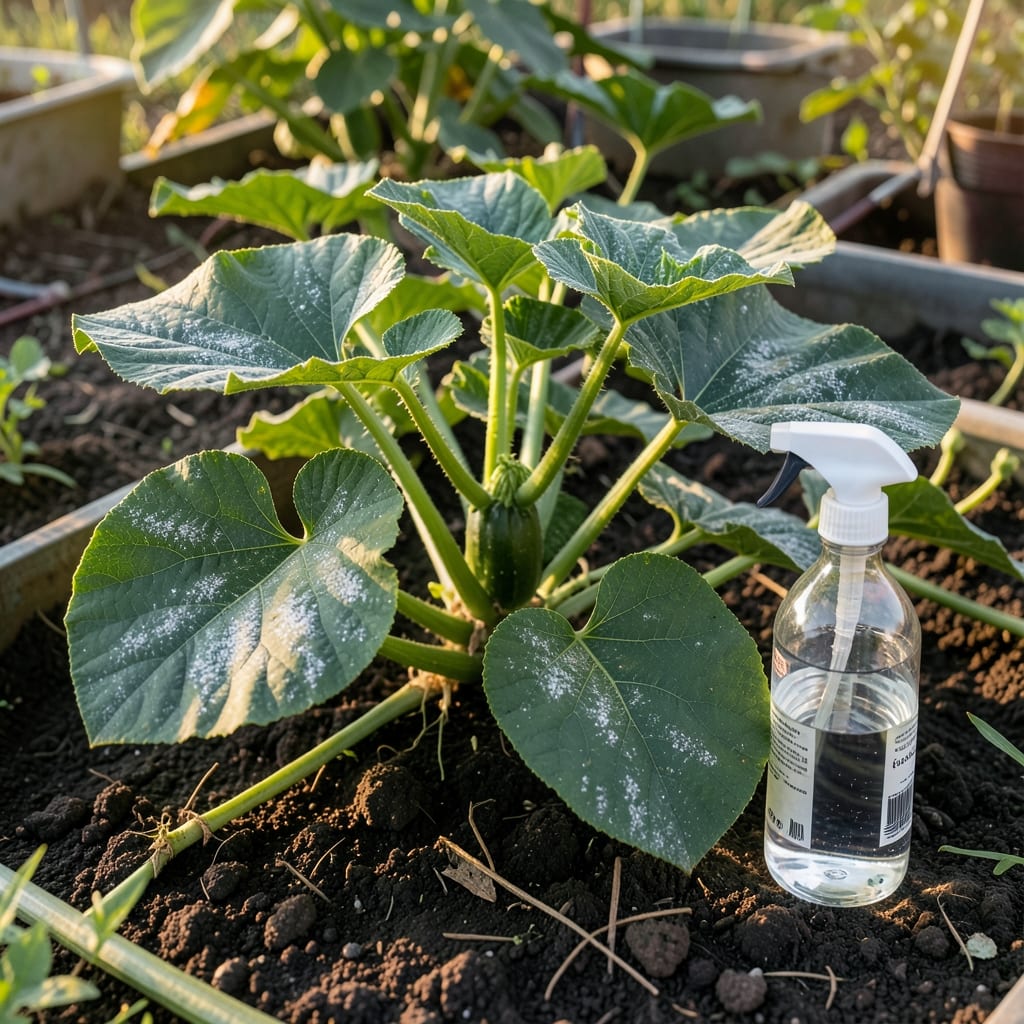
White dust on your leaves isn’t just ugly—it’s stealing your plant’s health. I’ve watched powdery mildew spread through entire beds in 48 hours, turning vibrant green into sickly gray overnight.
Here’s the thing—this fungus thrives in crowded, damp conditions. The good news? It’s treatable without harsh chemicals. A simple baking soda or neem oil spray stops it cold, and prevention is even easier.
Your plants will rebound with healthier growth within a week of treatment. The leaves darken, new growth emerges clean, and your garden gets back to looking its best.
Works for roses, cucumbers, squash—any plant with that telltale powder. Let’s clear it up for good.
Powdery mildew thrives under specific conditions, and understanding its causes can help you prevent and treat it effectively. Here’s why it happens:
This fungal disease flourishes in environments with 70-90% relative humidity, but unlike other fungi, it doesn’t require wet leaves to grow. Instead, it spreads when foliage stays dry but the air is moist—common in crowded plantings or poor airflow areas. The spores germinate on dry surfaces, making even well-watered gardens vulnerable.
Stagnant air traps humidity around plants, creating a perfect breeding ground. Dense canopies, overcrowded beds, or indoor plants without ventilation accelerate spore spread. Pruning and spacing plants properly disrupts this cycle.
Some plants are genetically prone to powdery mildew, including roses, cucumbers, squash, and grapes. These species often lack natural resistance, making them primary targets. Choosing resistant cultivars (e.g., mildew-resistant zucchini) can reduce outbreaks.
Watering leaves in the evening leaves them damp overnight, which—when combined with high humidity—encourages spore germination. Always water at the base early in the day to allow foliage to dry quickly.
Powdery mildew spores thrive in temperatures between 60-80°F (15-27°C). The temperature swing from warm days to cooler nights (common in spring/fall) triggers rapid growth, especially in shaded or partially shaded areas.
Tackling powdery mildew starts with identifying the root cause and applying targeted fixes. Here’s how to address common triggers and restore your plants’ health:
Stagnant air traps moisture, creating a breeding ground for spores. Fix it: Space plants apart to allow airflow, and use a small fan on low settings to keep air moving. For indoor gardens, open windows or vents during the day. Prevention tip: Prune dense foliage regularly to reduce humidity pockets.
Overhead watering or soggy soil invites mildew. Fix it: Water at the base of plants early in the day so foliage dries quickly. Switch to drip irrigation if possible. Prevention tip: Use a moisture meter to avoid overwatering—aim for the top inch of soil to dry between waterings.
Mildew thrives in humidity above 60%. Fix it: Run a dehumidifier in indoor spaces or group moisture-loving plants separately. Outdoors, water in the morning and avoid crowding plants. Prevention tip: Mulch with organic material to reduce soil moisture evaporation.
Stressed or nutrient-deficient plants are more susceptible. Fix it: Apply a balanced, organic fertilizer to strengthen plant health. Spray leaves with a neem oil or baking soda solution (1 tsp baking soda + 1 quart water + a drop of dish soap) weekly as a natural powdery mildew deterrent. Prevention tip: Rotate crops annually to prevent soil-borne diseases.
Spots or white dust on leaves? Act fast. Fix it: Remove infected leaves (don’t compost them!) and discard. Spray remaining foliage with a 1:10 milk-to-water mixture or commercial fungicide. Prevention tip: Inspect plants weekly for early signs—catch it before it spreads!
💡 Pro Tip: Always sterilize pruning tools with rubbing alcohol between cuts to avoid spreading spores.
Apply neem oil or baking soda sprays every 7-10 days for prevention. If you spot active mildew, treat every 3-5 days until it clears. Always spray in the morning for best results.
Yes, but dilute it properly. Mix 2-3 tablespoons of apple cider vinegar with 1 gallon of water. Test on a small area first, as undiluted vinegar can harm plants.
Water early in the morning so leaves dry quickly. Avoid evening watering, which leaves foliage damp overnight and encourages spore growth.
Certain plants like roses, cucumbers, and squash lack natural resistance. Crowded conditions or poor airflow also make them more vulnerable.