
Beautiful Plants For Your Interior
Beautiful Plants For Your Interior
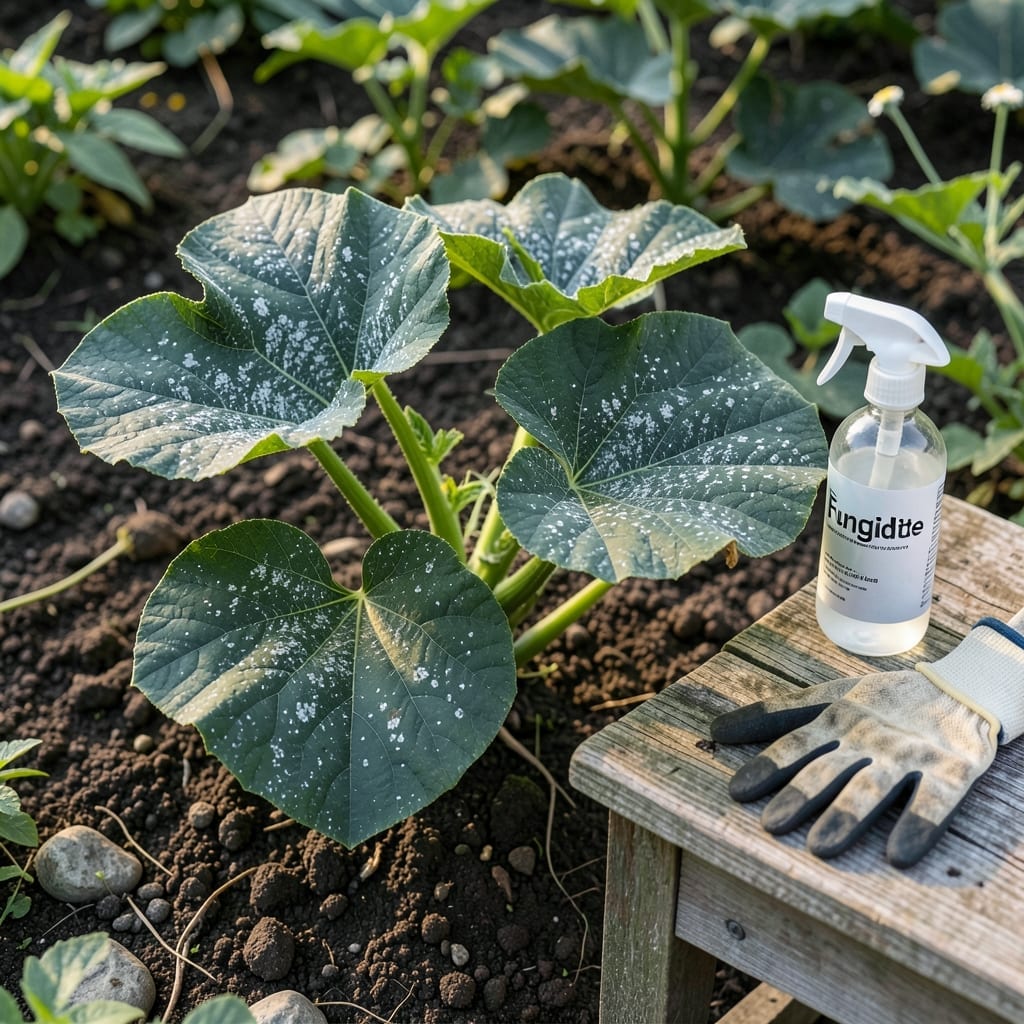
White powder on your plants isn’t flour—it’s war. I lost three zucchini plants last summer before figuring out powdery mildew’s weak spots.
This fungal enemy thrives in high humidity and poor air circulation, but it’s surprisingly easy to outsmart. Good spacing, morning watering, and resistant varieties form your first line of defense.
Organic sprays like neem oil or baking soda solutions stop it in its tracks without harsh chemicals. Your plants stay healthy and your garden stays safe.
Works for roses, cucumbers, squash—any plant that’s ever fallen victim. Here’s the battle plan.
Powdery mildew thrives under specific environmental conditions and plant vulnerabilities. Understanding these triggers helps you take targeted action. Below are the primary causes:
This fungal disease flourishes in high humidity (60-80%) combined with dry leaf surfaces. Unlike other fungi, powdery mildew doesn’t require free water to germinate—just moist air. Warm days (70-80°F) followed by cool nights create ideal conditions for spore formation.
Stagnant air traps spores and prevents foliage from drying quickly. Overcrowded plants, dense canopies, or sheltered garden spots restrict airflow, allowing spores to settle and infect leaves. Pruning and spacing plants properly disrupts this cycle.
Plants in shady, low-light areas retain moisture longer and have weaker cell walls, making them more susceptible. Sunlight helps evaporate surface moisture and strengthens plant defenses—prioritize well-lit locations for vulnerable species.
Watering from above leaves foliage wet for extended periods, even if the air is dry. Evening watering is particularly risky, as cooler temperatures slow evaporation. Switch to drip irrigation or water at the base to keep leaves dry.
Some plants, like roses, cucumbers, squash, and phlox, are genetically prone to powdery mildew. Older or stressed plants with weakened immune systems are also more vulnerable. Opt for disease-resistant cultivars when possible.
Tackling powdery mildew starts with quick action and smart habits. Below are targeted fixes for common causes, plus prevention tips to keep your plants thriving.
Stagnant air traps moisture and spores. Fix it: Prune dense foliage to open up the plant’s center, and space plants farther apart. For indoor plants, use a small fan on low to keep air moving. Outdoors, avoid crowding garden beds.
Prevention tip: 💡 Water plants early in the day so leaves dry quickly, reducing humidity buildup.
Too much moisture fuels fungal growth. Fix it: Water at the base of the plant (not the leaves) and reduce frequency if the soil stays soggy. Use drip irrigation or a soaker hose for precision.
Prevention tip: 🌡️ Mulch with straw or bark to prevent soil splashing onto leaves, which can spread spores.
Shady, damp spots are mildew magnets. Fix it: Relocate potted plants to sunnier areas or trim nearby trees/shrubs casting shade. For fixed garden beds, opt for mildew-resistant plant varieties.
Prevention tip: ✨ Rotate indoor plants weekly to ensure even light exposure.
Weak plants are more susceptible. Fix it: Apply a balanced organic fertilizer or compost tea to strengthen plants. Avoid high-nitrogen fertilizers, which can promote tender growth that’s prone to infection.
Prevention tip: 🎯 Remove and destroy infected leaves or stems immediately to prevent spread.
For persistent cases, spray affected plants with a DIY solution of 1 teaspoon baking soda + 1 quart water + a few drops of dish soap. Reapply every 7–10 days until the issue clears. Stay consistent, and your plants will bounce back! 🌱
Apply organic sprays like neem oil or baking soda solution every 7-10 days until the issue clears. For severe cases, increase to every 5 days until improvement is visible. Consistency is key to breaking the fungal lifecycle.
Yes! A mix of 1 teaspoon baking soda, 1 quart water, and a few drops of dish soap works well. Milk diluted with water (1:9 ratio) is another effective, natural option. Always test on a small area first.
Water in the early morning so leaves dry quickly in the sun. Avoid evening watering, as damp foliage overnight creates ideal conditions for fungal growth.
Yes, but you must remove all visibly affected foliage and destroy it (don’t compost). This prevents spores from spreading to healthy parts. Also, disinfect pruning tools between cuts.