
Beautiful Plants For Your Interior
Beautiful Plants For Your Interior
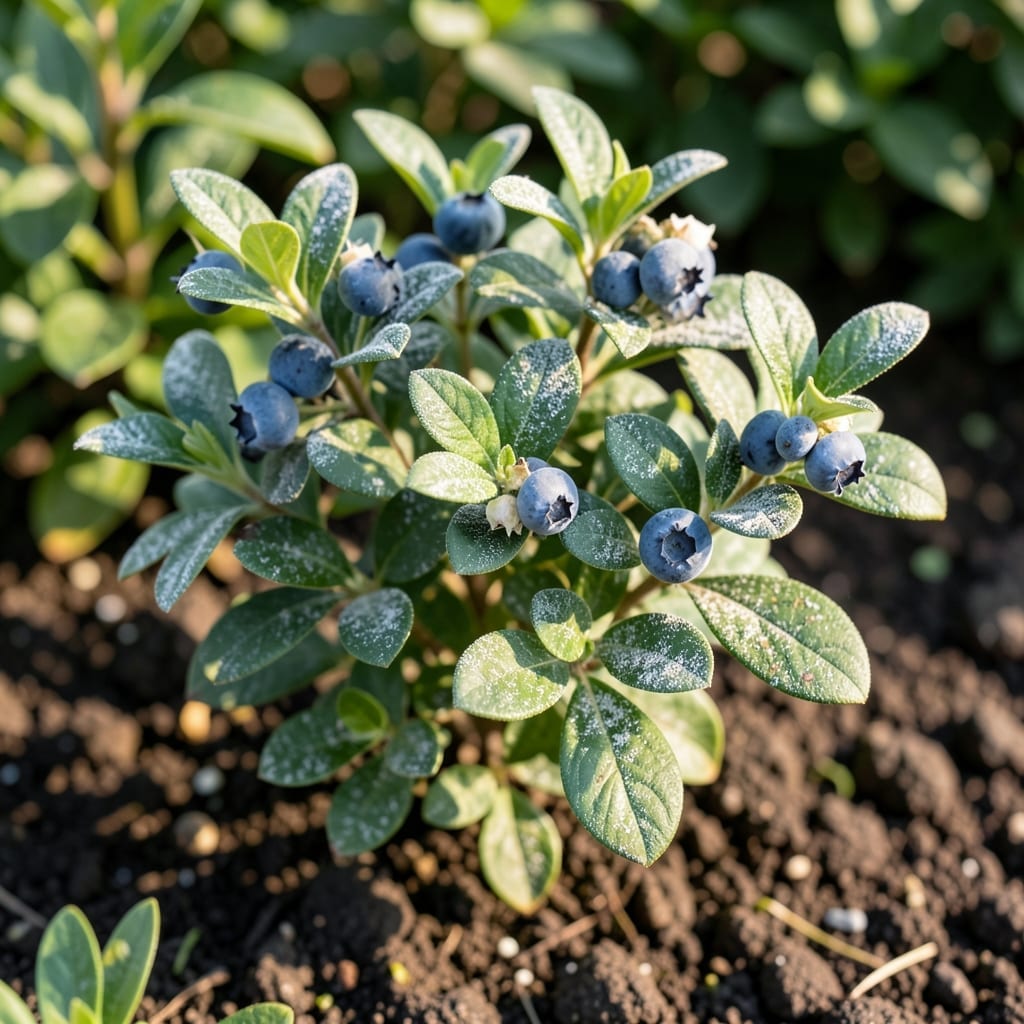
White dust on blueberry leaves means trouble. Powdery mildew spreads fast, turning healthy plants into weak, stunted bushes that barely fruit.
I spotted it first on my oldest canes last summer—looked like someone had sprinkled flour over the foliage. Left untreated, it coats stems and berries, stealing the plant’s vigor. Early detection is your best defense.
Organic fixes work surprisingly well. A baking soda spray or neem oil treatment can stop it in its tracks. The key is consistency: reapply after rain and watch for new outbreaks.
Prevention beats cure. Space plants for airflow, water at the base, and prune out infected growth. Your blueberries will thank you with bigger harvests next season.
Powdery mildew on blueberry bushes doesn’t appear out of nowhere—it thrives under specific conditions. Understanding these triggers helps you prevent outbreaks before they start.
The fungus Podosphaera Vaccinii (the primary culprit behind blueberry powdery mildew) prospers in environments with 60–80% humidity and stagnant air. Dense plantings or overgrown foliage trap moisture, creating a perfect breeding ground. Prune bushes annually to improve airflow and reduce leaf wetness.
Powdery mildew spores germinate rapidly when daytime temperatures hit 68–77°F (20–25°C), followed by cooler nights with dew formation. This temperature swing stresses plants, weakening their natural defenses. Watering in the early morning allows foliage to dry quickly, limiting spore survival.
Wetting leaves during irrigation directly spreads spores. Unlike many fungal diseases, powdery mildew doesn’t require free water to infect—but wet foliage accelerates its growth. Switch to drip irrigation or soaker hoses to keep leaves dry while hydrating roots.
Some cultivars, like ‘Duke’ or ‘Bluecrop’, are genetically more vulnerable. If your garden has a history of outbreaks, opt for resistant varieties such as ‘Brunswick’ or ‘Nelson’. Even resistant plants need vigilance, as stress (e.g., drought or nutrient deficiency) can lower their defenses.
Over-fertilizing with nitrogen promotes lush, tender growth—exactly the kind powdery mildew loves. Balance soil amendments with potassium and phosphorus to strengthen cell walls. A soil test can reveal imbalances before they become a problem.
Powdery mildew on blueberry bushes can be frustrating, but these targeted solutions will help you regain control and protect your plants. Below, we map common causes to their fixes, plus prevention tips to keep your blueberries thriving.
Powdery mildew thrives in humid, stagnant conditions. Fix it by pruning dense foliage to open up the plant’s center, allowing air to circulate freely. Space blueberry bushes at least 4–6 feet apart. For potted plants, move them to a breezier spot.
Prevention tip: 💡 Water early in the day so leaves dry quickly, and avoid overhead watering to reduce moisture on foliage.
Weak or stressed plants are more susceptible. Boost resilience with a balanced organic fertilizer (like fish emulsion or compost tea) to promote vigorous growth. Ensure your soil pH is between 4.5 and 5.5—blueberries love acidic conditions!
Prevention tip: ✨ Mulch with pine needles or wood chips to maintain soil acidity and retain moisture without waterlogging.
At the first sign of white, powdery spots, act fast. Remove and destroy infected leaves or stems (do not compost them). For mild cases, spray with a DIY solution: mix 1 tablespoon baking soda + 1 teaspoon dish soap + 1 gallon of water. Apply weekly until symptoms vanish.
Prevention tip: 🎯 Rotate treatments with neem oil or sulfur-based sprays (follow label instructions) to prevent resistance.
Too many plants competing for light and air create a mildew playground. Thin out excess branches and remove suckers at the base. If planting new bushes, choose disease-resistant varieties like ‘Duke’ or ‘Bluecrop’.
Prevention tip: 🌡️ Monitor humidity levels—if your area is naturally damp, consider a small fan (for greenhouses) or plant in a sunnier location.
Apple cider vinegar can work as a mild fungicide. Mix 2 tablespoons with 1 gallon of water and spray weekly. Test on a small area first, as vinegar may burn sensitive leaves.
Spores overwinter in plant debris and soil. Remove all fallen leaves and prune infected canes in late winter. Consistent airflow and resistance-building care prevent recurrence.
Wash berries thoroughly and remove any with visible mildew. While not toxic, the flavor may be off. Avoid eating heavily infected fruit.
Early morning is ideal—leaves dry quickly, reducing spore spread. Avoid applying during midday heat or before rain. Reapply after precipitation.