
Beautiful Plants For Your Interior
Beautiful Plants For Your Interior
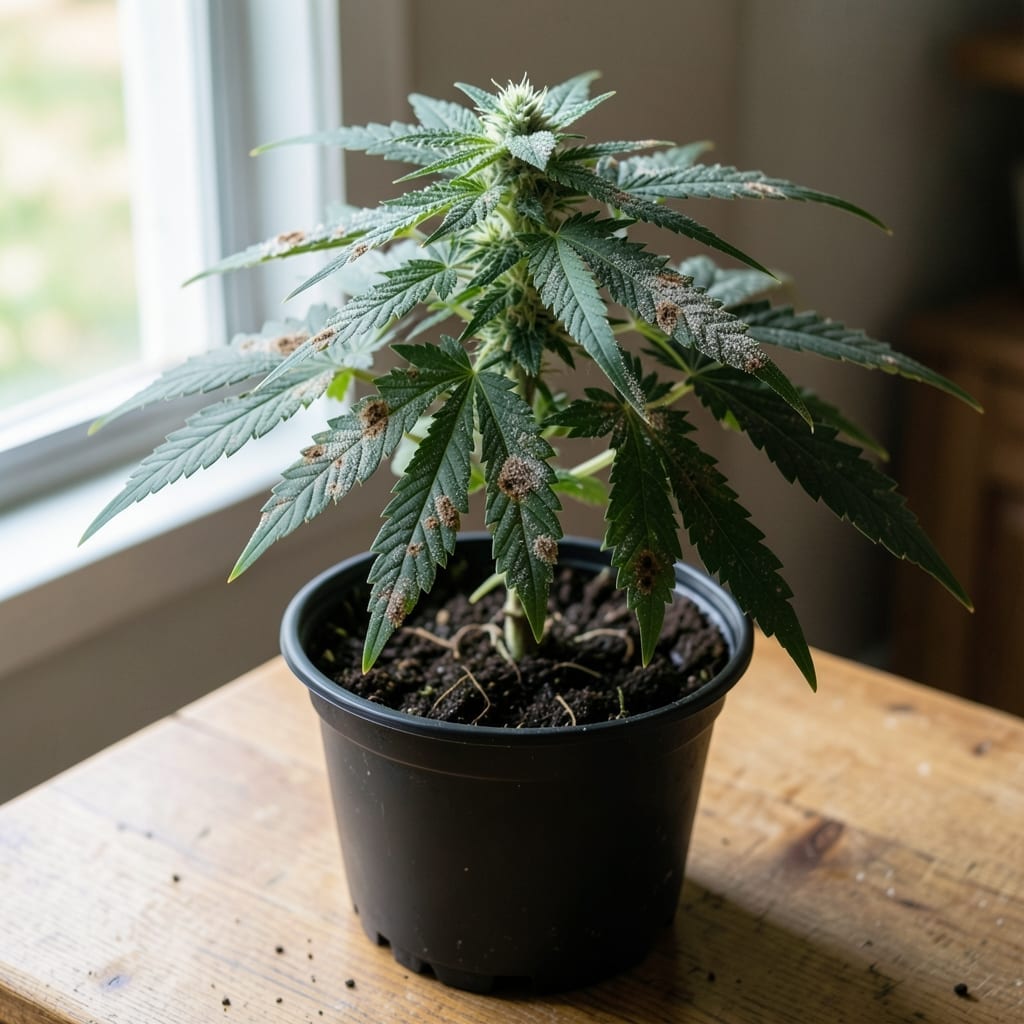
White spots on leaves or black stems mean trouble. I’ve lost count of how many pot plants I’ve saved by catching fungus early—before it spreads to the whole collection.
The first sign is often subtle: yellowing edges, powdery coatings, or dark spots. Most cases start with too much moisture or poor air flow. The fix usually involves adjusting your routine before reaching for sprays.
Natural remedies work surprisingly well. A baking soda solution or diluted neem oil stops most outbreaks in 2-3 applications. Prevention is even simpler: better drainage, less water, more light.
Works for houseplants, patio containers, and greenhouse setups. Here’s how to spot it fast and fix it for good.
Fungal infections in potted plants often stem from a few preventable conditions. Understanding these triggers helps you create a healthier environment for your greenery. Below are the most common causes, explained with actionable insights.
Excess moisture is the primary culprit behind pot plant fungus. When soil remains soggy, it creates an ideal breeding ground for spores. Roots suffocate, and fungal pathogens like Phytophthora or Pythium thrive. Ensure pots have drainage holes and use well-draining soil mixes to prevent waterlogging.
Stagnant air and high humidity (above 60%) encourage fungal spores to settle and multiply. Crowded plants or lack of ventilation trap moisture around leaves, promoting diseases like powdery mildew. Improve airflow with spacing or a small fan, and avoid misting leaves excessively.
Fungal spores can lurk in reused potting soil or unsterilized gardening tools. Using infected soil or pruning with dirty shears introduces pathogens directly to your plants. Always sterilize tools with rubbing alcohol and consider pasteurizing soil before reuse.
Plants weakened by poor nutrition, pests, or environmental stress are more susceptible to fungal attacks. A lack of sunlight, for example, weakens a plant’s natural defenses. Strengthen your plants with balanced fertilizers and proper light exposure to boost their resilience.
Fungus on your pot plants can be frustrating, but with the right approach, you can restore their health. Below are targeted solutions for common fungal issues, along with prevention tips to keep them from returning.
Fix: Mix 1 teaspoon of baking soda with 1 quart of water and a few drops of dish soap. Spray this solution on the affected leaves every 5–7 days until the fungus disappears. Remove heavily infected leaves to prevent spreading.
Prevention: Improve air circulation around your plants and avoid wetting the leaves during watering. Keep humidity levels in check with a small fan or dehumidifier.
Fix: Carefully remove the plant from its pot and trim away any black, mushy roots with sterilized scissors. Repot the plant in fresh, well-draining soil and a clean pot. Water sparingly until the plant recovers.
Prevention: Ensure your pots have drainage holes, and use a well-draining soil mix. Allow the top inch of soil to dry out between waterings.
Fix: Remove infected leaves immediately and discard them away from other plants. Apply a copper-based fungicide or a homemade remedy like chamomile tea (cooled) to the remaining foliage.
Prevention: Avoid overhead watering, and water early in the day so leaves have time to dry. Space plants adequately to promote airflow.
Watch for white powdery spots, black stems, or yellowing leaves. These appear on foliage first, often in high humidity. Catching it early prevents spreading to other plants.
Yes! A mix of 1 teaspoon baking soda and 1 quart water with dish soap works well. Apply every 5-7 days until the issue resolves.
Improve airflow, reduce watering frequency, and ensure pots have drainage. Sterilize tools and avoid overcrowding plants. These steps stop most recurrences.
Chemical options work but can harm beneficial microbes. Try natural remedies first, then use fungicides as a last resort, following label instructions carefully.