
Beautiful Plants For Your Interior
Beautiful Plants For Your Interior
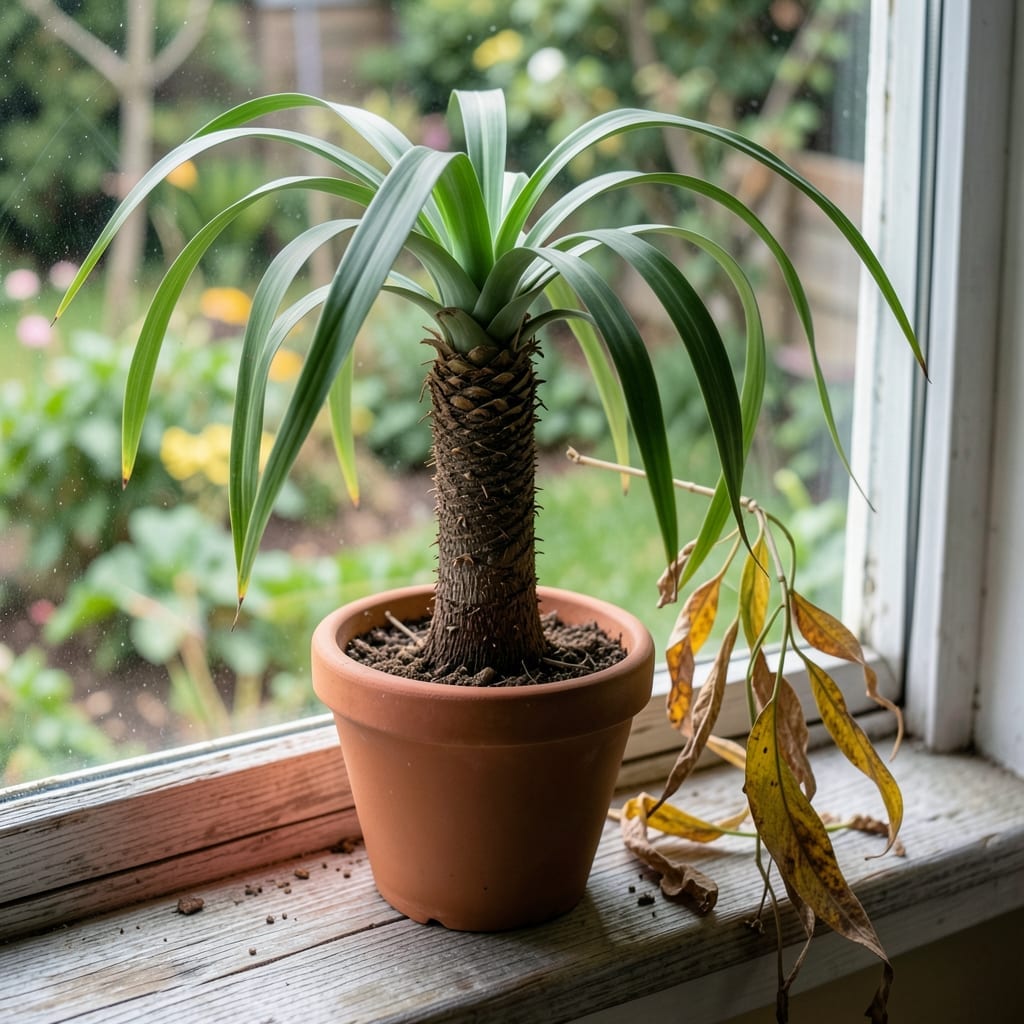
Brown tips and drooping leaves on your ponytail palm don’t mean it’s done for. I’ve revived more of these than I can count with a few simple adjustments.
The usual suspects are overwatering, low light, or a sudden temperature change. These plants store water in their trunks, so they’re more likely to die from too much love than too little. Yellowing leaves scream overwatering, while dry brown tips often point to thirst.
Start by checking the soil—if it’s soggy, let it dry out completely before watering again. Move it to brighter light if it’s stretching or looking pale. A consistent spot away from drafts works wonders.
With the right tweaks, you’ll see new growth in 4-6 weeks. These plants are tough—they just need the right conditions to bounce back.
The decline of a ponytail palm (Beaucarnea recurvata) is rarely sudden—it’s usually the result of cumulative stress from improper care. Below are the most common causes, backed by horticultural science and practical observations.
The ponytail palm stores water in its thick, swollen trunk (a caudex), making it highly drought-tolerant. Excess moisture suffocates the roots, preventing oxygen uptake and promoting fungal pathogens like Phytophthora or Pythium. Signs include yellowing leaves, mushy stems, or a foul odor from the soil. The caudex may also soften—a clear indicator of advanced rot.
As a desert native, this plant thrives in bright, indirect light (6+ hours daily). Low light weakens photosynthesis, leading to etiolation (stretched, thin growth) and leaf drop. Leaves may turn pale or develop brown tips as the plant struggles to sustain itself. Without adequate light, the caudex also fails to store water efficiently.
Ponytail palms prefer 65–85°F (18–29°C) during the day and a 10°F drop at night. Exposure to frost (below 32°F/0°C) causes cellular damage, visible as blackened or mushy foliage. Conversely, heat stress (above 100°F/38°C) accelerates water loss, leading to crispy, brown leaf tips and wilting.
These plants require fast-draining soil (e.g., cactus/succulent mix with perlite or sand). Heavy, compacted soil retains water, exacerbating root rot. A clay pot can help wick away excess moisture, but even then, soggy soil is a death sentence. If roots sit in water for >48 hours, they begin to decay, cutting off nutrient flow.
Common pests like spider mites, mealybugs, or scale insects sap the plant’s fluids, causing stippled leaves, webbing, or sticky residue. Severe infestations weaken the palm, making it more susceptible to disease. Check the undersides of leaves and the caudex crevices for early signs.
Don’t give up on your ponytail palm just yet! With a few targeted fixes, you can nurse it back to health. Below are the most common issues and their solutions, paired with prevention tips to keep your plant thriving long-term.
Fix: If the soil feels soggy or smells musty, stop watering immediately. Repot the plant in fresh, well-draining cactus or succulent mix, and ensure the pot has drainage holes. Trim any black, mushy roots with sterilized scissors to prevent rot.
Prevention: Water only when the top 2–3 inches of soil are bone-dry. Stick your finger in the soil to check! Use terracotta pots to help wick away excess moisture.
Fix: If the leaves are crispy or brown at the tips, give your plant a deep soak until water runs out the drainage holes. Move it to a brighter spot with indirect sunlight (a south- or west-facing window is ideal).
Prevention: Water every 3–4 weeks in cooler months and every 2–3 weeks in summer, adjusting for humidity. Rotate the pot occasionally for even light exposure.
Fix: Wipe down leaves with a damp cloth to remove spider mites or mealybugs. For stubborn pests, use insecticidal soap or neem oil, applying every 5–7 days until they’re gone.
Prevention: Inspect new plants before bringing them near your ponytail palm. Keep the leaves dust-free and maintain good air circulation.
Fix: Move your plant away from drafts, heaters, or AC vents. Ponytail palms prefer temperatures between 65–85°F (18–29°C). If it’s been exposed to cold, let it gradually acclimate to a warmer spot.
Prevention: Avoid sudden temperature changes. If moving plants outdoors in summer, harden them off by placing them outside for a few hours each day first.
💡 Pro Tip: A healthy ponytail palm stores water in its trunk—don’t mistake its natural bulbous base for a sign of overwatering!
Water only when the top 2-3 inches of soil are completely dry. For a dying plant, this may mean waiting 3-4 weeks between waterings. Overwatering is the most common mistake with these drought-tolerant plants.
No, brown tips won’t turn green again, but new healthy growth will emerge with proper care. Trim the brown tips with clean scissors to improve appearance while the plant recovers.
Use a fast-draining mix like 50% cactus soil and 50% perlite or sand. Terracotta pots help wick away excess moisture. Avoid regular potting soil—it holds too much water.
Yellow, mushy leaves mean overwatering. Crispy, dry leaves indicate underwatering. Check the soil moisture with your finger to be sure.